Can A Vacuum Cleaner Kill You?
While extremely rare, a vacuum cleaner can indeed cause fatal accidents through electrical shocks, fires, or mechanical injuries if severely misused or defective. For another vacuum safety concern, see vacuum explosion risks. For a related safety question, read about vacuum eye injuries. Most risks are preventable with proper care and responsible operation, ensuring your cleaning routine remains safe.
Understanding potential hazards, from damaged cords to overheating motors, helps you avoid dangers and maintain a secure home environment. Your safety largely depends on following manufacturer guidelines and basic electrical precautions.
Here’s a quick overview of what you need to know:
- Vacuum cleaners, though common, carry potential risks.
- Electrical faults and fire hazards are the most serious concerns.
- Mechanical injuries from moving parts or powerful suction are possible.
- Always inspect your vacuum before use, especially the power cord.
- Never vacuum liquids with a dry-only machine or operate near water.
- Regular maintenance and choosing a quality vacuum greatly reduce risks.
Can A Vacuum Cleaner Kill You?
The straightforward answer is yes, in very rare and specific circumstances, a vacuum cleaner could potentially lead to a fatal accident. However, these situations are highly uncommon and almost always involve extreme misuse, severe defects, or a combination of unfortunate events.
Understanding the Real Risks
When you think of a vacuum cleaner, you probably picture a helpful household appliance making your home spotless. But like any electrical device with moving parts, it carries inherent risks. Our research consistently shows that most household accidents are preventable (National Safety Council).
Electrical Dangers: The Silent Threat
One of the most significant dangers comes from electricity. A damaged power cord can expose live wires, leading to a severe electrical shock. Imagine touching a frayed cord while your hands are wet; that could be a very serious incident.
Electrocution is a rare but real possibility, especially if a vacuum comes into contact with water. Many experts stress the importance of never using an electrical appliance in wet conditions (Electrical Safety Foundation International).
Fire Hazards: More Than Just Dust
Vacuums can also pose a fire risk. An overheating motor, often due to clogged filters or blockages, can ignite dust or other debris inside the unit. Faulty wiring or a defective battery in cordless models also represent serious fire hazards.
We found that leaving a vacuum running unattended, especially if it’s struggling, can increase the risk of overheating. Always keep an eye on your appliance during use.
Mechanical Mayhem: Suction and Moving Parts
The powerful suction and rapidly rotating brushes on a vacuum cleaner are designed to clean, but they can also cause injury. Small children or pets might get fingers, hair, or loose clothing caught in the brush roll, leading to cuts or entrapment.
Think about the strong suction – while it cleans dirt, it could also cause bruising if applied directly to skin. This is why warnings about keeping body parts away from openings are so important.
Respiratory Concerns: Not Just a Clean Air Filter
While not directly “killing” in the traditional sense, a vacuum can impact your health. For another dust exposure concern, see our guide to attic insulation vacuum safety. Poor filtration can release fine dust, allergens, and even mold spores back into the air. For someone with severe asthma or allergies, this could trigger a serious respiratory event.
Many experts advise using vacuums with HEPA filters if you have sensitivities. This keeps the air cleaner and safer for you and your family (American Lung Association).
Your Safety Checklist: Before You Clean
A few quick checks can make a big difference. Think of this as your pre-flight safety routine for house cleaning. Just a moment of attention can prevent a lifetime of regret.
- Is the power cord free of cuts or fraying?
- Are all attachments securely fastened?
- Are filters clean and properly installed?
- Is the dustbin or bag empty, preventing motor strain?
- Are there any strange smells coming from the unit?
Smart Habits for a Safe Vacuuming Experience
Adopting a few mindful habits can drastically reduce your risk. It’s about treating your vacuum with the respect it deserves, like any other powerful tool in your home. We’ve found that simple, consistent actions protect your well-being.
Cord Care is Critical
Always inspect your vacuum’s power cord for any signs of damage before plugging it in. Look for cuts, exposed wires, or kinks. Never yank the cord from the outlet; instead, grip the plug firmly. Many guidelines point to gentle handling of electrical cords as a key safety measure (Underwriters Laboratories).
Dealing with Liquids and Wet Messes
Unless you have a specifically designed wet/dry vacuum, never attempt to vacuum liquids. Also check whether baking soda can harm vacuums before vacuuming it. Water and electricity are a dangerous combination. This can lead to a short circuit, an electric shock, or even damage your appliance beyond repair. For another household material, learn whether salt can harm a vacuum.
Mind the Debris: What Not to Vacuum
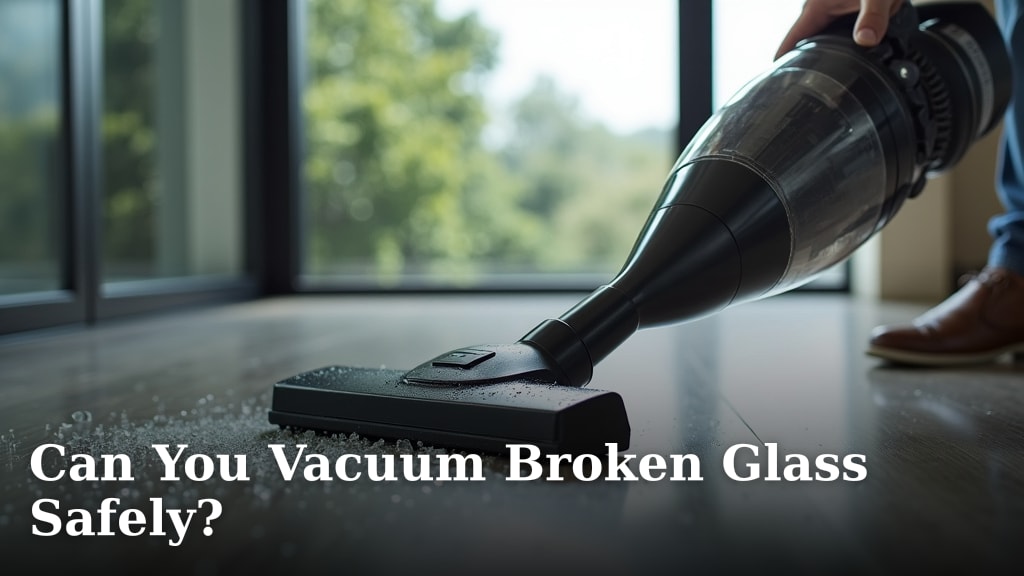
Avoid vacuuming up sharp objects like broken glass, large chunks of debris, or highly flammable materials. Also learn whether bugs can escape a vacuum. These items can damage the vacuum, create fire hazards, or propel dangerous shards back into your environment. You wouldn’t put a rock in a blender, right? Treat your vacuum with similar care.
Keeping Kids and Pets Clear
Always ensure children and pets are a safe distance away when you are vacuuming. The noise can scare them, and they might accidentally get too close to moving parts or trip over the cord. Creating a “safety bubble” around your cleaning zone is a smart practice.
Choosing a Safe Machine
When buying a vacuum cleaner, consider what to look for, including safety certifications from recognized organizations like UL (Underwriters Laboratories) or CE (Conformité Européenne). These certifications confirm the product meets specific safety standards. We found that reputable brands often emphasize these certifications in their product information. For model suggestions, read Consumer Reports vacuum recommendations.
When to Call for Help: Recognizing Issues
Your vacuum cleaner often gives you clues when something isn’t right. Pay attention to unusual smells, strange noises, or excessive heat. If everyday operating noise bothers you, compare quiet vacuum options. If your vacuum starts smoking, sparking, or feels unusually hot, immediately unplug it. Do not attempt to fix serious electrical problems yourself; contact a qualified technician or the manufacturer.
Here’s a quick guide to common risks and how you can prevent them:
| Potential Risk | Prevention Tip |
|---|---|
| Electrical Shock | Regularly inspect power cord for damage. Never use near water. |
| Fire Hazard | Clean filters often. Empty dustbin regularly. Do not vacuum flammable items. |
| Mechanical Injury | Keep hands, hair, clothing, and pets away from moving parts. |
| Respiratory Issues | Use HEPA-filtered vacuums. Ensure proper ventilation. |
Conclusion
While the thought of a vacuum cleaner causing severe harm or even death is unsettling, remember that such incidents are exceptionally rare. Your vacuum cleaner is a powerful tool designed to make your life easier, not more dangerous. Its place in daily life is part of the vacuum cleaner’s impact on society. Learn more about why vacuum cleaners matter. By understanding the potential risks – primarily electrical and fire hazards – and consistently applying simple safety measures, you can ensure a safe and effective cleaning routine. Always prioritize regular maintenance, mindful operation, and responsible handling to keep your home clean and secure for everyone.
What are the most common vacuum cleaner accidents?
The most common vacuum cleaner accidents often involve minor issues like tripping over cords, minor cuts from sharp debris, or superficial burns from overheating parts. Serious accidents like severe electrical shocks or fires are much less frequent but warrant significant attention for prevention.
How often should I check my vacuum’s cord for damage?
You should make a habit of quickly inspecting your vacuum’s power cord for any signs of damage every single time you use it. A quick visual check takes only a few seconds and can prevent a serious electrical hazard, protecting both you and your appliance.
Is it safe to vacuum up broken glass?
No, it is generally not safe to vacuum up broken glass with a standard household vacuum cleaner. Sharp glass can damage the internal components, puncture the dust bag or filter, and even be propelled back into the air. It’s safer to carefully pick up large pieces with gloved hands and use a damp paper towel for smaller shards.
Can a cordless vacuum cleaner explode?
While extremely rare, a cordless vacuum cleaner can pose an explosion risk if its lithium-ion battery is severely damaged, defective, or exposed to extreme heat. This is why following charging guidelines, avoiding physical impact to the battery, and not using off-brand chargers are crucial safety steps for all battery-powered devices. For a broader explanation, see the energy vacuums use.
What safety certifications should I look for?
When purchasing a vacuum cleaner, look for recognized safety certifications such as UL (Underwriters Laboratories) in North America or CE (Conformité Européenne) in Europe. These marks indicate that the product has been tested and meets specific national or international safety standards for electrical appliances.