
Can A Vacuum Cleaner Explode?
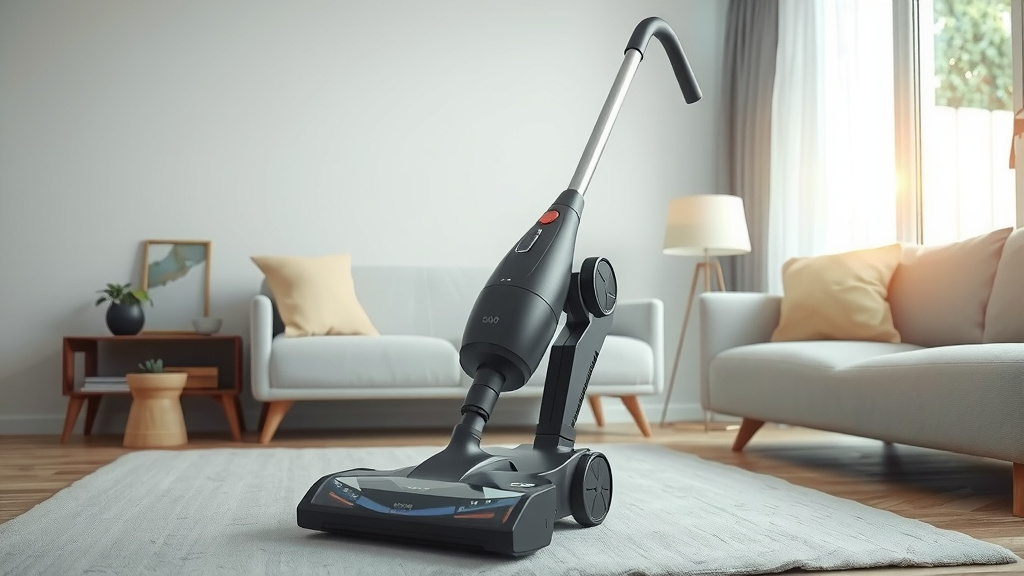
While a vacuum cleaner can’t explode like a bomb, extreme conditions can lead to fires, component ruptures, or bursting parts due to pressure buildup or chemical reactions.
The primary risks are related to overheating, blockages, or ingesting flammable materials, making proper use and maintenance key to preventing such dangerous incidents.
TL;DR: Can your vacuum explode?
- Your vacuum won’t detonate like a movie bomb.
- However, severe blockages, overheating, or sucking up flammable liquids can cause fires or parts to burst.
- Cordless models have an added risk from battery issues.
- Regular cleaning and careful use are your best defense against these rare but serious problems.
Have you ever paused mid-vacuum and wondered, “Could this thing actually blow up?” It’s a common, if slightly dramatic, thought! Let’s clear the air right away. Your vacuum cleaner is not a ticking time bomb. It’s built for cleaning, not for combustion. However, like any electrical appliance, vacuums do have a small potential for dangerous malfunctions under specific, severe circumstances. We’re talking about things like fire or parts bursting, not a cinematic explosion.
Can A Vacuum Cleaner Explode?
No, a vacuum cleaner typically won’t “explode” in the way we imagine a bomb detonating. However, under specific and unsafe operating conditions, components can burst, catch fire, or suffer a rupture, posing a serious safety risk.
Understanding the Real Risks
When people worry about a vacuum cleaner exploding, they are usually thinking about a sudden, violent release of energy. The reality is more nuanced. The risks with vacuums usually involve a sudden fire, a motor overheating and seizing, or a pressurized component giving way. These are very rare events, but they are worth understanding for your safety.
What Causes Vacuum Cleaner Fires?
Fires are the most common “explosion-like” event we found in our research. These usually happen due to a few key culprits. The motor can overheat, or flammable materials get sucked into the machine. A clogged filter or hose can also significantly raise internal temperatures, creating a real hazard.
Think of it like a car engine. If it doesn’t get enough air or works too hard without maintenance, it can overheat and cause issues. Your vacuum is similar. It needs good airflow and a clear path to operate safely. Many experts say that keeping your filters clean is one of the best preventative steps (Consumer Reports).
The Danger of Overheating
Overheating is the number one cause of serious vacuum issues. A vacuum motor works incredibly hard to create suction. If it gets too hot, its internal components can melt, short circuit, or even ignite any dust and debris built up inside. This is particularly true if the motor is strained by blockages.
Blocked airflow forces the motor to work overtime, generating excessive heat. Imagine trying to run a race while holding your breath; you’d quickly overheat. Your vacuum feels the same strain with a full bag or clogged filter.
When Flammable Materials are Involved
This is where things get truly dangerous. Sucking up highly flammable liquids or vapors can create a volatile environment inside your vacuum. Things like gasoline, paint thinner, or even large amounts of fine sawdust (which can be explosive when airborne) are extremely hazardous.
A small spark from the motor could ignite these substances, causing a flash fire or a sudden internal combustion. This is why wet/dry vacuums are designed differently, often without brushes that could create sparks.
Battery-Powered Vacuum Risks
Cordless vacuums bring a new layer of potential issues: the battery. Lithium-ion batteries, while powerful, can overheat or even catch fire if they are damaged, defective, or charged incorrectly. This is a risk not just for vacuums but for all devices using these batteries (NIH research on battery safety).
If you see a battery pack swelling, hear unusual noises, or notice excessive heat, stop using it immediately. Don’t risk it. We found that proper charging and using only the manufacturer-approved charger are vital.
The Role of Clogs and Blockages
A simple clog might seem harmless, but it’s a huge stressor for your vacuum. It restricts airflow, making the motor work harder and heat up rapidly. This isn’t just about reducing suction; it’s a serious safety concern. A blocked hose or filter can turn a normal vacuum into a potential hazard.
Here’s a simple comparison: if you try to drink a thick milkshake through a tiny straw, your cheeks ache, right? Your vacuum’s motor feels a similar strain when airflow is choked. This stress generates heat, which can ultimately lead to a breakdown or even a fire.
Preventative Measures You Can Take
Good news! Preventing these scary scenarios is mostly about common sense and simple maintenance. You have a lot of control over how safely your vacuum operates. Here are some key steps we found for keeping your cleaning routine hazard-free:
- Regularly Empty the Bag or Canister: Don’t let it get too full. Airflow is crucial.
- Clean or Replace Filters: Dirty filters choke the motor and cause overheating.
- Check Hoses and Attachments for Clogs: Clear any blockages right away.
- Never Vacuum Liquids (Unless it’s a Wet/Dry Vac): Even then, be cautious with flammables.
- Avoid Picking Up Hazardous Materials: Steer clear of things like glass shards, sharp objects, or chemicals.
- Inspect Cords and Plugs: Frayed wires are a fire hazard.
- Use the Correct Charger: For cordless models, always use the charger designed for your vacuum.
Understanding Different Vacuum Types and Their Risks
Different types of vacuums have varying risk profiles. Let’s look at a quick comparison:
| Vacuum Type | Primary Risks | Key Prevention |
|---|---|---|
| Corded Upright/Canister | Overheating, motor fire, frayed cords | Clear filters, empty bag, inspect cord |
| Cordless/Stick Vac | Battery fire/overheating, motor fire | Proper charging, inspect battery, clear filters |
| Wet/Dry Vac | Flammable liquid ignition, motor fire | Avoid flammables, clear filters, empty often |
| Robotic Vacuum | Battery fire, entanglement, motor fire | Keep clear of wires, clean brushes, proper charging |
Your Vacuum Safety Checklist
To give you peace of mind, here’s a quick checklist you can use before or after your cleaning session:
- Is the vacuum bag/canister less than two-thirds full?
- Are the filters visibly clean and free of excessive dust?
- Are all hoses and attachments free from obvious clogs?
- Is the power cord (if applicable) intact, with no fraying or damage?
- Is the battery pack (for cordless models) free from swelling or excessive heat?
- Are you avoiding vacuuming up any liquids or hazardous materials?
When to Seek Professional Help or Replace
Sometimes, despite your best efforts, a vacuum might start acting strange. If you notice unusual smells (like burning plastic), excessive noise, or a sudden loss of power, it might be time for a professional check-up. We found that continuing to use a malfunctioning appliance is a major safety risk. Sometimes, investing in a new, reliable machine is the safest and most economical choice. Don’t hesitate if your vacuum starts to feel like a hazard rather than a helper.
Conclusion
So, can a vacuum cleaner explode? Not in the dramatic sense we often picture. However, they can pose serious fire or rupture risks if neglected or used improperly. By understanding the common causes—overheating, blockages, and hazardous materials—you can easily take steps to protect your home and your family. Regular maintenance, smart usage, and being aware of any warning signs are your best defenses. Keep your vacuum clean, clear, and cared for, and it will serve you safely for years to come.
Is it normal for a vacuum cleaner to get hot?
A vacuum cleaner motor naturally generates some heat during operation. It’s designed for this. However, if your vacuum becomes excessively hot to the touch, produces a burning smell, or shuts down due to heat, that’s a sign of overheating. This usually points to a clogged filter or a full bag/canister, restricting airflow and forcing the motor to work too hard.
Can I vacuum up small amounts of water with a regular vacuum?
No, you should never vacuum up water or any liquid with a regular dry vacuum cleaner. This can cause electrical shock, severe damage to the motor, and create a fire hazard. Regular vacuums are not sealed or designed to handle liquids. Only use a specifically designed wet/dry vacuum for liquid spills.
How often should I clean my vacuum’s filters?
The frequency depends on your vacuum model and how often you use it. Generally, washable filters should be rinsed monthly and replaced every 6-12 months. Non-washable filters might need replacement every 3-6 months. Check your owner’s manual for specific recommendations. Regular filter maintenance is one of the most important steps to prevent overheating and maintain suction.
What should I do if my vacuum smells like something is burning?
If you notice a burning smell, immediately turn off and unplug your vacuum cleaner. This smell often indicates a problem with the motor overheating, a belt rubbing, or debris caught in the brush roll. Check for blockages in the hose, filter, and brush roll. Let the vacuum cool down completely before inspecting it. If the smell persists after cleaning, it’s best to have it professionally checked or consider replacement.
Are older vacuum cleaners more prone to problems?
Yes, older vacuum cleaners can be more prone to problems due to wear and tear over time. Components like motors, belts, and electrical wiring degrade with age and use, increasing the risk of malfunctions like overheating or short circuits. Regular maintenance can extend their life, but eventually, older machines may become less efficient and potentially less safe than newer models.
