Air Purifier vs Humidifier: Which Do You Need? (November 2026)
Choose an air purifier to filter airborne particles and a humidifier to add moisture to dry air. An air purifier vs humidifier choice depends on whether your main concern is what is in the air or how dry it feels.
On this page (6 sections)
Choose an air purifier to filter airborne particles and a humidifier to add moisture to dry air. An air purifier vs humidifier decision starts with your main room concern: dust, pollen, smoke and pet dander point toward filtration, while dry-feeling air points toward humidification.
These devices do different jobs. A purifier moves room air through filters, while a humidifier releases moisture into the air.
If you are asking “air purifier or humidifier,” don't choose by the appliance name alone. Decide whether you want to reduce airborne particles or raise humidity, then match the appliance to the room and your care routine.

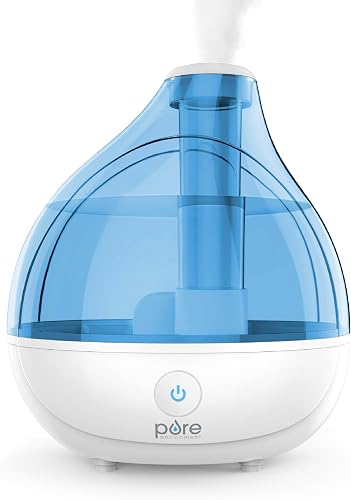 Best for a bedroom
Pure Enrichment MistAire Ultrasonic Cool Mist Humidifier
Air purifier vs humidifier: what is the difference?
An air purifier filters airborne particles, while a humidifier adds moisture. One does not automatically replace the other.
A purifier is the relevant choice if you want to capture particles such as dust, pollen, smoke or pet dander. If filter reuse is a priority, compare air purifiers with reusable filters.
Compare its filtration claims and room coverage with the space where you plan to use it.
A humidifier is the relevant choice when indoor air feels dry and you want to add moisture. It doesn't remove particles from the air as a purifier does.
The phrase “air purifier vs air humidifier” can make the two sound like competing versions of one appliance. They are better understood as separate tools for different conditions, and some rooms may call for both.
What does an air purifier do?
An air purifier draws air through a filter system to capture particles. The kind of particles and the room size a model is suited for depend on its design and stated performance.
For example, the Levoit Air Purifier for Home Pets Hair has separate stated CADR figures for smoke, dust and pollen, and its filtration information includes pollen, dust and animal dander allergens. Compare Coway Airmega Mighty models as another purifier option.
Check the specific model's coverage information against your room, since its stated air-cleaning rate varies by particle type.
Learn what an air purifier for home use is designed to do before comparing filter types and room coverage. A purifier's job is filtration, not adding water vapor.
What does a humidifier do?
A humidifier adds moisture to indoor air. Models vary in how they release moisture, how much area they cover and how they are controlled.
The Pure Enrichment MistAire is an ultrasonic cool mist humidifier with high and low settings, a 360° mist nozzle and auto shut-off when water runs low or the tank is removed. These features matter if you want to add moisture in a bedroom, nursery or office.
For a larger area, the AIRCARE Space Saver is an evaporative humidifier with an auto humidistat and automatic shut-off when it reaches the desired humidity or runs empty. Neither model is an air purifier.
Which one should you choose for your room?
Choose based on the problem you want to address: airborne particles call for a purifier, and dry air calls for a humidifier. Room size, noise preferences and upkeep can help narrow the choice once you know the job.
If you are shopping because of dust, pollen, smoke or pet dander, compare air purifiers and their filtration details. If the air feels dry, compare humidifier coverage, controls and refilling needs.
| Your main concern | Appliance to compare | What to check |
|---|---|---|
| Dust, pollen or smoke particles | Air purifier | Particle filtration and room coverage |
| Pet hair or dander in the air | Air purifier | Filter details and room size |
| Dry-feeling air | Humidifier | Coverage, output settings and refill routine |
| Both particles and dry air | Both, or a suitable combo | Each function, placement and care instructions |
An air purifier can help filter particles, but it won't solve a dry-air concern by adding moisture. A humidifier can add moisture, but it won't filter smoke or pollen.
When is an air purifier the better fit?
Choose an air purifier when airborne particles are the main reason you are shopping. A model's stated filtration and coverage give you a more useful comparison than broad claims about “clean air.”
The Levoit Air Purifier for Home Pets Hair is a fit to consider for a room where dust, pollen or pet dander is the concern. For its filter claim, see whether a Levoit purifier is true HEPA.
It has AHAM VERIFIDE status and stated CADR figures for smoke, dust and pollen; compare the figures and room coverage with the space you need to address.
For a smaller bedroom, dorm room or office, the Levoit Air Purifiers for Bedroom Home Pets is another option to compare. Its pre-filter and main filter capture lint, hair, pet dander, fine airborne pollutants and smoke particles, according to its product information.
If you need help comparing filtration types, start with our air purifier buying guide for home. It covers the details to check before you choose a purifier for a particular room.
When is a humidifier the better fit?
Choose a humidifier when your goal is to add moisture to dry indoor air. Match its stated coverage to the room and consider how often you are willing to refill and clean it.
The Pure Enrichment MistAire is designed for rooms up to 250 sq ft and has high and low settings. Its tank can be lifted for filling and cleaning, and it shuts off when water runs low or the tank is removed.
For a larger area, the AIRCARE Space Saver is an evaporative model with stated coverage up to 2,700 sq ft. Its auto humidistat and automatic shut-off are relevant if you want humidity control across a broad space.
Can you use an air purifier and humidifier together?
Yes, you can use both in one room when you have a reason to filter particles and add moisture. They serve separate purposes, so follow each appliance's placement and care instructions.
Keep mist from blowing directly toward the purifier or its filter. Moisture can affect filter materials, so leave space between the appliances and place them where mist won't settle on electronics or other surfaces.
A combo may save floor space, but verify that the exact model performs both functions and covers your room. Our comparison of the best air purifier and humidifier combos explains what to look for in a combined unit.
If you are considering a Blueair model, read whether a Blueair air purifier can also humidify a room. For Levoit, see whether a Levoit air purifier can also humidify a room; product features can differ by model.
What should you check before buying?
Check the appliance's purpose, room coverage and care needs before choosing a model. A unit that suits one room or routine may not fit another.
For an air purifier, compare the kinds of particles it is designed to filter, its room coverage and any stated clean-air delivery figures. Check filter replacement guidance and availability for the exact model.
For a humidifier, check the coverage area, water capacity, mist or evaporation method, controls and cleaning access. A larger tank can reduce refill frequency, but it also takes more room and may need more effort to handle.
For either appliance, consider placement and routine. Make sure there is a suitable spot with access to power, and read the unit's instructions before use.
If you are comparing humidifiers with a different moisture-control appliance, our air purifier vs dehumidifier comparison explains why a dehumidifier removes moisture instead of adding it. You can also see what to compare in a combined air purifier and dehumidifier.
Are water-based air purifiers a substitute for humidifiers?
A water-based air cleaner should not be assumed to humidify a room. Check whether the exact appliance is designed to add moisture, since water in a cleaning device does not by itself make it a humidifier.
Some products use water as part of their air-cleaning approach, but that does not mean they control room humidity. Our guide to an air purifier with water explains what to check in this category.
Choose based on the function the manufacturer describes for the exact model. If you want added moisture, look for a humidifier; if you want particle filtration, look for an air purifier with clear filtration details.
Air purifier or humidifier: which do you need?
Pick an air purifier for airborne particles, a humidifier for dry air, and both when your room has both needs. Start with the problem, then compare coverage and upkeep for the exact models.
For particles such as pollen, smoke, dust or pet dander, compare purifiers like the Levoit Air Purifier for Home Pets Hair. For a dry-feeling room, compare humidifiers like the Pure Enrichment MistAire or AIRCARE Space Saver according to room size.
If you need both functions, compare combo designs and confirm their separate coverage and care requirements. That decision rule keeps filtration and added moisture clear, even when product names make the categories sound alike.
Sources and further reading
- U.S. Environmental Protection Agency: Guide to Air Cleaners in the Home
- U.S. Environmental Protection Agency: Use and Care of Home Humidifiers
Frequently asked questions
Should I use an air purifier or a humidifier?
Use an air purifier for airborne particles such as dust, pollen, smoke or pet dander. Use a humidifier when the air feels dry and you want to add moisture.
They address different needs, so identify the main problem in the room before choosing.
Can an air purifier and humidifier run in the same room?
Yes, they can serve different needs in one room: the purifier filters airborne particles, while the humidifier adds moisture. Place and maintain each unit according to its instructions, and avoid directing mist toward the purifier or its filter.
Does a humidifier clean the air?
A humidifier adds moisture; it is not a substitute for an air purifier designed to capture airborne particles. If dust, pollen, smoke or pet dander is your concern, compare purifier filtration and room coverage instead of relying on added humidity.
Does an air purifier help with dry air?
An air purifier filters airborne particles, but it does not add moisture to a room. If dry air is the issue, a humidifier is the relevant appliance.
If both dry air and airborne particles bother you, consider each need separately.
Can one appliance purify and humidify?
Some appliances combine filtration and humidification, but check the exact model to confirm both functions and how they work. Our guides to air purifier and humidifier combos and Levoit purifier and humidifier combos explain what to compare.