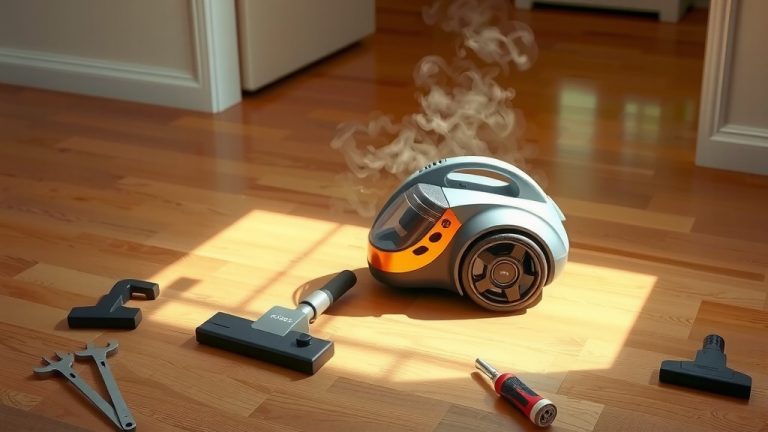
Why Vacuum Cleaner Loses Suction?

Your vacuum cleaner loses suction primarily due to clogged filters, a full dustbin or bag, and blockages in the hose or brush roll. These issues restrict airflow, preventing the machine from generating effective suction.
Often, a sudden drop in your vacuum cleaner’s suction power points to common maintenance problems rather than a major malfunction, usually simple fixes you can do yourself.
- A vacuum cleaner typically loses suction because of airflow restrictions.
- Clogged filters are a very common culprit, blocking air intake.
- A full dustbin or bag prevents more debris from entering the machine.
- Hose, brush roll, or nozzle blockages can severely reduce suction.
- Worn-out belts hinder the brush roll, impacting cleaning and perceived suction.
- Less common issues include motor problems or air leaks in seals.
Why Vacuum Cleaner Loses Suction?
Your vacuum cleaner loses suction when anything obstructs the crucial airflow needed to pull dirt and debris into its system. This often happens because of routine wear or lack of proper care.
The Hidden Culprit: Clogged Filters
Think of your vacuum’s filter as its lungs. When these filters get dirty, they can’t breathe. We found that clogged filters are among the most frequent reasons for suction loss (Many appliance technicians confirm this).
How Clogged Filters Affect Performance
A dirty filter prevents air from flowing freely through the motor and into the dustbin. This restriction means the vacuum can’t create the necessary negative pressure. The machine might sound like it’s working hard, but it’s just struggling.
The Simple Fix for Filter Issues
Most filters are washable or replaceable. Check your vacuum’s manual for specific instructions. Regularly cleaning or replacing them can restore full suction power almost instantly.
Overfilled Dustbin or Bag
Is your vacuum’s dustbin overflowing, or the bag bulging? It might seem obvious, but this is a very common cause. There’s simply no more room for anything else to go.
Signs of a Full Receptacle
Beyond visible fullness, you might notice your vacuum leaving behind small crumbs. The motor might also sound strained, trying to pull air into an already packed space. Many experts say emptying the bin regularly is key (Consumer Reports).
Quick Action: Empty and Inspect
Empty your dustbin or replace the bag whenever it’s about two-thirds full. While you’re at it, give the inside of the dustbin a quick wipe. This prevents fine dust from clinging and forming blockages.
Pesky Blockages in the System
Sometimes, the problem isn’t the filter or the bin, but a stubborn obstruction. Ever vacuumed up a sock or a Lego? We’ve all been there. These can cause a complete shutdown of suction.
Blocked Vacuum Hose
The hose is a common spot for larger items to get stuck. If your vacuum suddenly stops picking things up, try carefully inspecting the hose. You can often feel a lump or see the blockage.
Brush Roll Entanglements
Hair, thread, and carpet fibers love to wrap around the brush roll. This not only stops the brush from spinning properly but can also block the nozzle. A non-spinning brush roll means less agitation and poor pickup.
The Overlooked Component: Worn-Out Belt
For many upright vacuums, a belt connects the motor to the brush roll. If this belt is stretched, broken, or slipping, the brush roll won’t spin. Without agitation, dirt just sits on the floor. Research has found that a new belt can dramatically improve cleaning effectiveness.
The Silent Threat: Air Leaks
Imagine trying to drink with a straw that has a hole in it. That’s what an air leak does to your vacuum. Cracked hoses, loose seals, or a poorly seated dustbin can all allow air to escape. This means less air is pulling debris into the machine.
Identifying Air Leaks
Listen for a high-pitched whistling sound, especially around the connections or the dustbin. Run your hand around the joints to feel for escaping air. A simple visual inspection can often reveal a cracked hose.
Motor Problems: A Deeper Concern
While less common for suction loss, a struggling motor can be the cause. If your vacuum sounds weaker than usual, gets excessively hot, or smells burnt, it might be a motor issue. In these cases, professional repair might be needed (Appliance repair guides suggest this).
Preventative Maintenance: Your Vacuum’s Best Friend
Keeping your vacuum in top shape isn’t rocket science. Regular maintenance prevents most suction problems. A little care goes a long way in extending its life and maintaining its power.
| Component | Maintenance Task | Frequency |
|---|---|---|
| Dustbin/Bag | Empty or replace | After each use / when 2/3 full |
| Filters | Clean or replace | Monthly or every 3-6 months |
| Brush Roll | Remove hair/debris | Monthly or as needed |
| Hose/Nozzles | Check for blockages | Periodically or when suction drops |
| Belts | Inspect for wear/damage | Every 6-12 months |
Your Quick Suction Restoration Checklist
Before you panic about your vacuum losing power, run through this simple checklist:
- Empty the dustbin or change the bag.
- Check and clean all filters thoroughly.
- Inspect the hose and attachments for blockages.
- Clear any hair or debris from the brush roll.
- Look for any visible cracks or loose seals.
Conclusion
Losing vacuum suction can feel frustrating, but it’s usually a clear sign that your machine needs a little TLC. Most problems stem from blocked airflow, whether it’s a full dustbin, a clogged filter, or a stubborn obstruction. By routinely checking these common culprits, you can often restore your vacuum’s power without needing a costly repair or replacement. A well-maintained vacuum is a happy vacuum, and it will serve you faithfully for years to come!
What should I check first if my vacuum loses suction?
Start by emptying the dustbin or changing the bag, then check and clean your vacuum’s filters. These are the most common and easiest fixes for restoring suction.
How often should I clean my vacuum filters?
It depends on your vacuum model and how often you use it, but a good general rule is to clean or replace filters every one to three months. Check your user manual for exact recommendations.
Can a broken belt cause my vacuum to lose suction?
While a broken belt won’t directly reduce suction, it prevents the brush roll from spinning. This means the vacuum won’t agitate dirt from carpets, making it seem like it’s lost suction because it’s not picking anything up effectively.
What kind of blockages are most common?
The most common blockages are found in the hose, the nozzle, or wrapped around the brush roll. These are often caused by larger debris like socks, toys, or excessive amounts of hair and string.
Is it worth repairing a vacuum with major suction loss?
For minor issues like clogs or filter problems, absolutely. For major motor issues or multiple broken parts, weigh the repair cost against the price of a new vacuum. Many appliance repair services can offer an estimate.