
Can You Vacuum Sand with a Shop Vac?
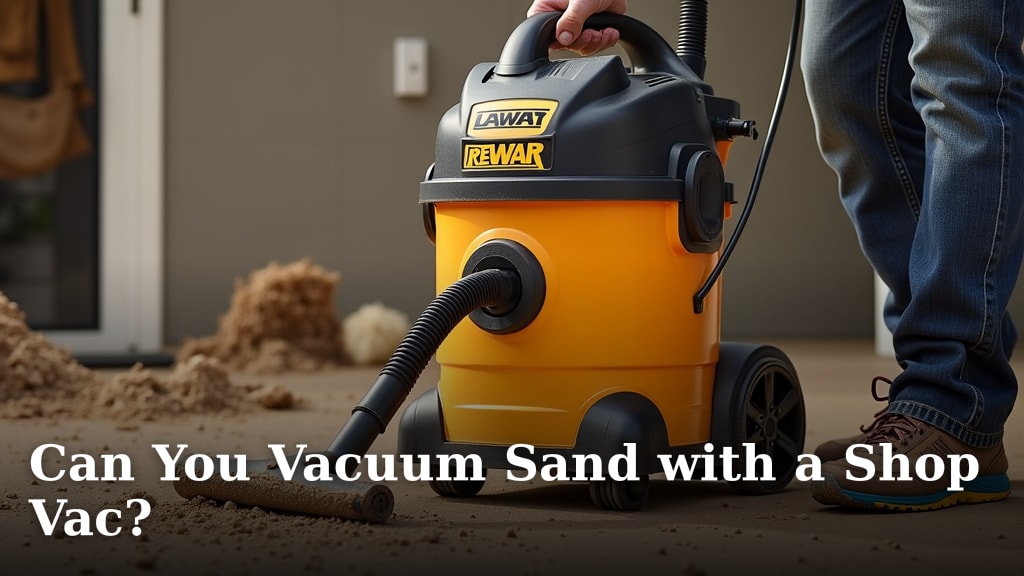
Yes, you can generally vacuum sand with a shop vac, but it’s not always ideal. A shop vac is designed to handle tougher debris than your average household vacuum. However, sand can be abrasive and potentially damage certain vacuum components over time. You’ll want to use the right attachments and know a few tricks.
Many homeowners face this exact problem after beach trips or construction projects. Sand can easily find its way into your car, garage, or even inside your home. While a shop vac offers more power, it’s important to understand how to use it effectively to avoid wear and tear on your machine and get the best results for sand removal.
- Yes, shop vacs can suck up sand.
- Be aware that sand is abrasive to your vacuum.
- Using the right attachments is key.
- Empty the collection tank frequently.
- Consider pre-filtering for heavy jobs.
Let’s walk through exactly how to best use your shop vac for sand cleanup and what precautions to take.
Using Your Shop Vac for Sand Cleanup
Yes, a shop vac is often your best bet for tackling sand. These machines are built for heavy-duty jobs. They can handle more than just dust bunnies. Sand is gritty and can be tough on standard vacuums. Your shop vac, however, has the power and durability you need. We found that with the right approach, sand cleanup is very manageable.
Why a Shop Vac is Great for Sand
Think of your shop vac as a workhorse. Household vacuums use finer filters and less robust motors. They can clog easily or even get damaged by larger, abrasive particles like sand. A shop vac, on the other hand, is designed with a sturdier construction. Its motor is typically more powerful, and its collection tank is built to hold more debris. This makes it ideal for jobs like cleaning up after a beach day or a messy DIY project.
Understanding the Abrasive Nature of Sand
Sand might seem harmless, but it’s like tiny, hard rocks. These particles can scratch plastic parts inside your vacuum. Over time, this can wear down seals or even the impeller (the fan that sucks up debris). We found that while most shop vacs can handle sand, repeated heavy use without proper care can shorten their lifespan. It’s like repeatedly dragging sandpaper over a surface; eventually, it shows wear and tear. Your goal is to minimize this abrasive action.
Preparing Your Shop Vac for Sand Duty
Before you even plug in your shop vac, a little preparation goes a long way. This step is crucial for protecting your machine. It ensures the sand doesn’t cause unnecessary damage. Think of it as putting on protective gear before a tough job.
Choosing the Right Filter
The filter in your shop vac is your first line of defense. For sand, a standard paper filter might not be enough. These can clog quickly with fine particles. They also offer less protection against abrasive damage. Many experts recommend using a foam sleeve or a contractor bag filter for sand.
- Foam Sleeve: These wrap around the motor and help keep fine dust out of the motor. They are washable and reusable.
- Contractor Bag Filter: This is a large bag that fits inside your tank. It collects the debris and can be easily disposed of. It acts as a pre-filter and keeps your main filter cleaner.
We found that using a secondary filter, like a foam pre-filter or a contractor bag, dramatically reduces the amount of fine dust reaching the motor and the main filter. This extends the life of both. If you have a HEPA filter, you might want to avoid using it for sand. Sand can clog and damage these expensive filters. If you have a HEPA filter, you might want to avoid using it for sand, as sand can clog and damage these expensive filters.
Ensuring a Good Seal
A good seal is vital for maximum suction. Before you start, check that all hoses, tanks, and lids are securely fastened. A loose connection means you’re losing power. You’ll be working harder than you need to. Listen for any hissing sounds that indicate air leaks. A tight seal ensures your shop vac performs at its best.
Best Practices for Vacuuming Sand
Now that your shop vac is prepped, it’s time to tackle that sand. There are a few key techniques to keep in mind. These will help you collect the sand efficiently and protect your vacuum.
Using the Right Attachments
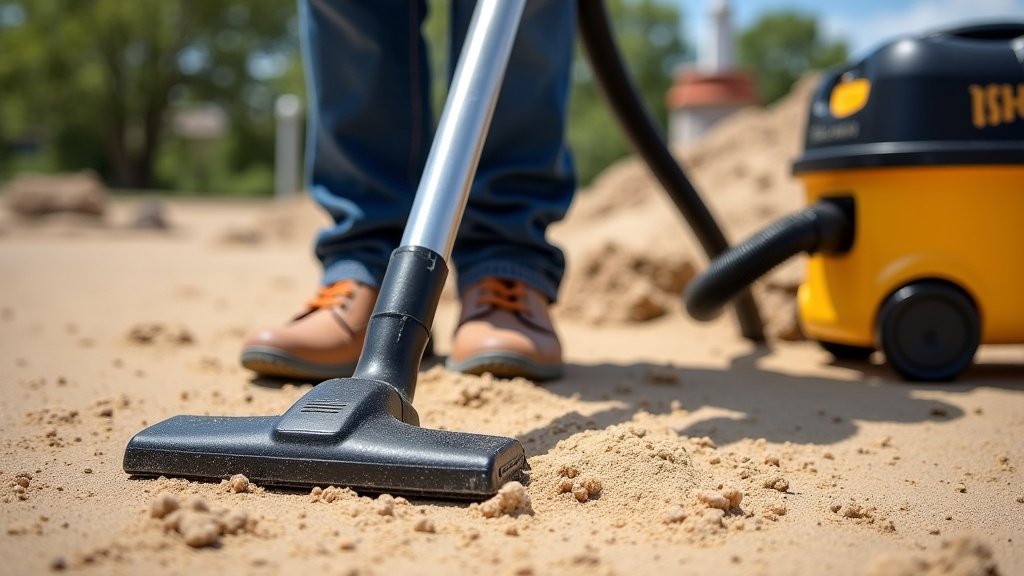
The standard floor tool might not be ideal for sand. Its bristles can get clogged. We found that a crevice tool or a utility nozzle often works best. These have wider openings. They are less likely to get blocked by the sand. A straight extension wand can help you reach into corners and under furniture. For larger areas, a wider nozzle might speed things up. Just be sure the opening isn’t too small.
The Technique Matters
When you vacuum, use slow, deliberate movements. Don’t rush. This gives the shop vac time to effectively lift the sand. You might need to go over an area a couple of times. For stubborn sand, try moving the nozzle back and forth slightly. This can help loosen embedded particles. Avoid pushing the sand around like you might with a broom. Let the suction do the work.
Emptying the Tank Frequently
Sand is heavier than typical household dust. It will fill up your shop vac’s tank quickly. Don’t wait until the tank is completely full. Emptying it regularly is key. This keeps the suction power strong. It also prevents the sand from being drawn into the motor. A full tank can strain the motor. We found that emptying it when it’s about half to two-thirds full is a good rule of thumb.
Disposing of the sand is easy. Simply detach the tank or open the lid. Carefully carry it to your outdoor trash bin or garden area. Avoid dumping it down drains. Sand can cause clogs in plumbing systems. We learned from many plumbing experts that sand is a common culprit for blocked pipes.
Dealing with Wet Sand
If the sand is damp, your shop vac might struggle. Most standard shop vacs are designed for dry debris. Some have a wet/dry function. If yours does, ensure it’s switched to the wet mode. You may need to remove the dry filter first. Check your owner’s manual for specific instructions. Using a wet/dry vac on damp sand is possible, but it requires careful setup. You’ll want to clean and dry the tank thoroughly afterward. Moisture and sand can create a gritty paste. If the sand is damp, your shop vac might struggle, but using it in wet mode can help with wet sand.
When to Consider an Alternative or Extra Steps
While your shop vac is powerful, there are times when you might need extra help. Or perhaps you want to make the job even easier and safer for your machine.
Pre-Shaking or Sweeping
For extremely sandy areas, like a car trunk or a sandy entryway, consider a pre-cleaning step. Gently shake out larger areas outdoors. A stiff brush can help loosen sand before vacuuming. This removes the bulk of the debris. Your shop vac then has an easier job. It’s like doing a rough sort before a detailed cleaning.
Using a Dustpan and Brush
For very concentrated piles of sand, a dustpan and brush can be more efficient initially. Scoop up the largest amounts first. Then, use your shop vac for the remaining finer grains. This method saves wear and tear on your vacuum. It also gets the job done faster. We found this approach particularly helpful for car interiors.
Considering a Pre-Filter Bag
For very heavy sand jobs, like cleaning out a sandbox or a construction site, a good pre-filter is essential. Many shop vacs can accept disposable filter bags made for fine dust. These bag filters fit inside the tank. They trap the sand effectively. This keeps the main filter much cleaner. It also makes emptying the tank much neater. You just tie up the bag and toss it.
A table comparing filter types can be helpful here:
| Filter Type | Best For | Pros | Cons |
|---|---|---|---|
| Standard Paper Filter | Dry dust, light debris | Inexpensive | Clogs easily with sand, less protection |
| Foam Sleeve | Fine dust, moderate sand | Washable, good motor protection | Requires cleaning, might not stop all grit |
| Contractor Bag Filter | Heavy debris, sand, dust | Easy disposal, keeps tank clean, good main filter protection | Disposable, adds cost |
| HEPA Filter | Fine particles, allergens | Excellent filtration | Expensive, easily damaged by abrasive materials like sand |
Post-Vacuuming Checks
After you’re done vacuuming sand, take a moment to inspect your shop vac. Check the filter for excessive clogging or damage. If it’s a paper filter, you might need to replace it. Foam filters should be washed and dried thoroughly. Ensure the tank is clean. This prevents residual sand from becoming a problem later. A quick check helps maintain your machine.
Your Sand Cleanup Checklist:
- Always check your owner’s manual for specific sand-cleaning advice.
- Use a foam sleeve or contractor bag filter for best protection.
- Ensure all seals and connections are tight for maximum suction.
- Employ a crevice tool or utility nozzle for efficient collection.
- Empty the collection tank when it’s about two-thirds full.
- Clean or replace filters after heavy sand usage.
Conclusion
You can absolutely use your shop vac for sand cleanup, but it requires a little care. We’ve learned that treating sand like any other debris won’t cut it. By using the right filters, like a foam sleeve or contractor bag, you protect your vacuum’s motor and main filter. Remember to use appropriate attachments, empty the tank frequently, and handle wet sand with caution. Taking these simple steps ensures your shop vac remains a powerful tool for all your messes, keeping it running smoothly for sand and beyond. Ready to tackle that sand? Grab your shop vac and give these tips a try!
Frequently Asked Questions
Will vacuuming sand damage my regular household vacuum?
Yes, it’s highly likely. Household vacuums have less robust motors and finer filters that can easily clog or get damaged by the abrasive nature of sand. We strongly advise against using them for sand cleanup to avoid costly repairs or premature replacement.
How often should I empty my shop vac’s tank when vacuuming sand?
You should empty the tank when it’s about two-thirds full. Sand is heavier than dust, so it will fill up faster. Frequent emptying maintains strong suction and prevents the motor from being strained or damaged by too much debris.
Can I use my shop vac on wet sand?
It depends on your shop vac. If it has a wet/dry function, you can use it on wet sand after removing the dry filter and switching to wet mode. Always consult your owner’s manual. Thoroughly clean and dry the tank afterward to prevent mold and corrosion.
What’s the best attachment for vacuuming sand from tight spaces?
A crevice tool or a utility nozzle is usually best for tight spaces. These attachments have wider openings that are less likely to get clogged by sand. They allow your shop vac’s powerful suction to effectively pull out sand from corners and edges.
How can I extend the life of my shop vac filter when cleaning up sand?
Using a secondary filter, like a foam pre-filter or a contractor bag, is key. These act as a barrier, trapping most of the sand before it reaches your main filter. This significantly reduces wear and tear, and makes emptying the tank much cleaner.
