Can You Use A Vacuum Cleaner On Hardwood Floors?
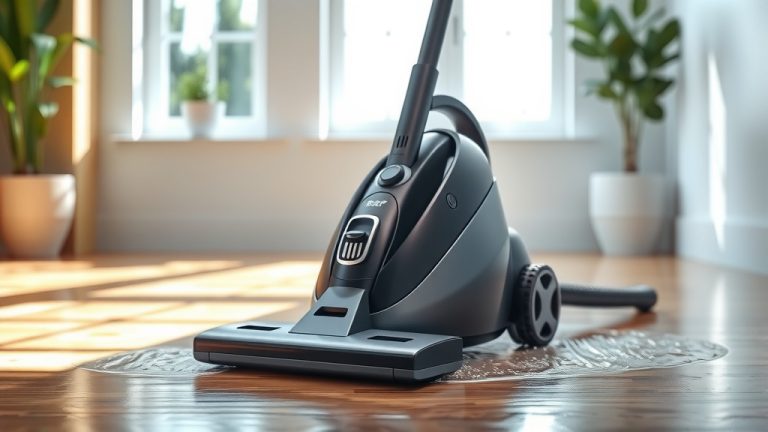
Yes, you can absolutely use a vacuum cleaner on hardwood floors, but choosing the right type and using proper technique is key to preventing scratches and damage.
Always opt for vacuums with soft brush rolls, gentle wheels, and adjustable suction to keep your beautiful hardwood floors gleaming and safe.
Here’s the quick scoop on vacuuming your hardwood floors:
- Choose a vacuum designed for hard surfaces, usually with a soft brush roll or a “bare floor” setting.
- Avoid harsh spinning brush rolls that can scratch your floor.
- Look for models with gentle rubber or felt wheels.
- Use attachments for corners and edges, and always empty the dustbin often.
- Proper technique prevents damage and keeps your floors sparkling clean.
Can You Use A Vacuum Cleaner On Hardwood Floors?
You can certainly use a vacuum cleaner on hardwood floors to keep them clean and free of debris.
The trick is selecting a vacuum with specific features that protect your floor’s delicate surface from scratches.
Why Hardwood Floors Need Special Care
Hardwood floors add warmth and beauty to any home. They are a big investment, so keeping them in top condition is likely a priority for you.
Unlike carpets, hardwood surfaces are less forgiving. They can show every tiny scratch or scuff mark, so cleaning them requires a little finesse.
The Scratching Threat
The biggest concern with vacuuming hardwood is potential scratching. We found that grit and harsh bristles are the main culprits here.
Tiny dirt particles picked up by a rigid brush roll can act like sandpaper on your floor (NIH).
What Makes a Vacuum Hardwood-Friendly?
Not all vacuum cleaners are created equal, especially when it comes to sensitive surfaces like hardwood.
Knowing what features to look for can save you a lot of worry and keep your floors pristine.
Soft Brush Rolls Are Your Friends
This is probably the most important feature. A vacuum designed for hardwood floors will have a soft, felt-like brush roll.
It gently sweeps debris without harsh scrubbing. Avoid brush rolls with stiff bristles that spin vigorously; these are best for carpets.
Gentle Wheels Matter
Think about the wheels on your vacuum. Hard plastic wheels can sometimes pick up tiny bits of grit and then drag them across your floor.
We found that vacuums with soft rubber or felt-covered wheels offer much better protection (Mayo Clinic).
Suction Control is Key
Sometimes, too much suction can be a problem. It might create a very tight seal that makes pushing the vacuum difficult, or even pull up loose floor pieces.
A vacuum with adjustable suction settings allows you to reduce power for delicate tasks or increase it for stubborn dirt.
Types of Vacuums Great for Hardwood
There are several types of vacuums that generally perform well on hardwood floors. Each has its own benefits depending on your needs.
Stick Vacuums: Lightweight Wonders
These are often cordless and very lightweight, making them easy to grab for quick clean-ups. Many come with soft brush rolls perfect for hard floors.
They are great for everyday crumbs and dust without being a hassle. Just be sure their brush roll is designed for bare floors.
Canister Vacuums: Versatile Powerhouses
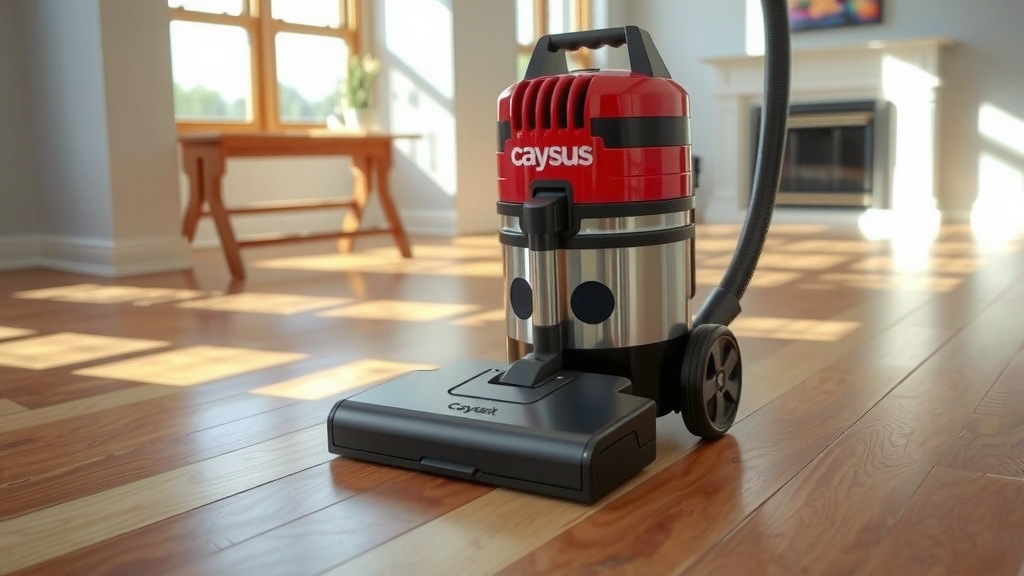
Canister vacuums separate the motor from the cleaning head, giving you a powerful yet agile tool. They typically come with a range of attachments.
Many models include a dedicated hard floor tool, which is usually a non-motorized brush or felt head, ideal for delicate surfaces.
Robot Vacuums: Set It and Forget It?
Robot vacuums offer convenience, cleaning on their own schedule. Many are designed with hard floors in mind, often using soft brushes.
They can be great for maintaining cleanliness daily, picking up pet hair and dust, but may struggle with larger debris or deep cleaning (Consumer Reports).
Vacuums to Avoid (Or Use with Caution)
While most modern vacuums have options for hard floors, some designs are inherently less suitable.
Upright vacuums primarily designed for thick carpets, especially older models, often have aggressive, stiff-bristled brush rolls that can’t be turned off.
Using these without disabling the brush roll could cause damage. Always check if you can switch off the spinning brush.
Best Practices for Vacuuming Hardwood
Even with the right vacuum, technique plays a big role in keeping your floors beautiful.
We found these steps help ensure a safe and effective clean:
- Clear large debris first: Sweep up any large crumbs, small stones, or sharp objects that could scratch the floor if sucked into the vacuum.
- Check the brush roll: Always make sure the rotating brush is OFF or use a specific bare floor setting.
- Use gentle strokes: Move the vacuum smoothly and slowly. There’s no need for aggressive back-and-forth scrubbing.
- Work in sections: Divide your floor into manageable sections to ensure you don’t miss any spots.
- Protect edges: Use soft attachments for baseboards and tight corners.
- Regular maintenance: Keep your vacuum’s filters clean and bags/canisters emptied to maintain optimal suction.
Pre-Sweeping Tips
Before you even bring out the vacuum, a quick sweep with a soft-bristled broom or a dry microfiber mop can make a big difference.
This helps gather any loose debris that might otherwise be pushed around by the vacuum or caught in a brush roll.
Move with Care
Avoid dropping or banging the vacuum on your floor. Lower it gently and lift it carefully over thresholds.
Imagine your vacuum is an extension of your caring hand, not a heavy piece of machinery.
Empty Your Dustbin Often
A full dustbin means reduced suction. It also means that bits of sharp debris stay in the vacuum longer.
Emptying it frequently ensures consistent performance and reduces the chance of anything escaping and scratching your floor.
Beyond the Vacuum: Other Hardwood Cleaning Tools
While vacuums are fantastic, they are not your only option for pristine hardwood floors. Here’s a quick comparison:
| Cleaning Tool | Pros | Cons |
|---|---|---|
| Vacuum Cleaner (Hardwood-Friendly) | Quick, picks up fine dust and pet hair effectively. | Requires careful selection; can scratch if wrong type. |
| Microfiber Mop (Dry) | Excellent for dust, very gentle, quiet. | Doesn’t suction up debris; pads need regular washing. |
| Broom & Dustpan (Soft Bristle) | Simple, no power needed, good for large debris. | Can push dust around; may miss fine particles. |
Conclusion
Using a vacuum cleaner on your hardwood floors is not only possible but often the most efficient way to keep them clean. The secret truly lies in choosing the right tool for the job.
By opting for a vacuum with soft brush rolls, gentle wheels, and adjustable suction, and by practicing mindful cleaning techniques, you can enjoy sparkling, scratch-free hardwood floors for years to come. Your floors will thank you!
Frequently Asked Questions About Hardwood Floor Vacuuming
Is it better to sweep or vacuum hardwood floors?
Many experts say vacuuming is generally more effective for collecting fine dust and pet hair that brooms can often push around. For large debris, sweeping first is a good strategy.
How often should I vacuum my hardwood floors?
For high-traffic areas, daily or every other day is often ideal to prevent dirt buildup. Less used areas might only need vacuuming once or twice a week to maintain cleanliness.
Can a Dyson vacuum be used on hardwood floors?
Yes, many Dyson models come with specific attachments or settings for hard floors. Look for models with a ‘fluffy’ soft roller head or a bare floor setting that disables the main brush bar.
What should I do if my vacuum scratches my hardwood floor?
If you notice a scratch, try a hardwood floor repair kit or a wood-specific scratch cover. For deeper damage, consulting a flooring professional might be needed. Always try to test any repair product in an inconspicuous area first.
Are steam mops safe for hardwood floors after vacuuming?
Research often connects excessive moisture with hardwood damage (National Wood Flooring Association). While some steam mops claim to be safe, many experts recommend using them very cautiously, if at all, on sealed hardwood. A damp (not wet) microfiber mop is often a safer choice for cleaning.