What Is the Best Vacuum for Tile Floors?
On this page (3 sections)
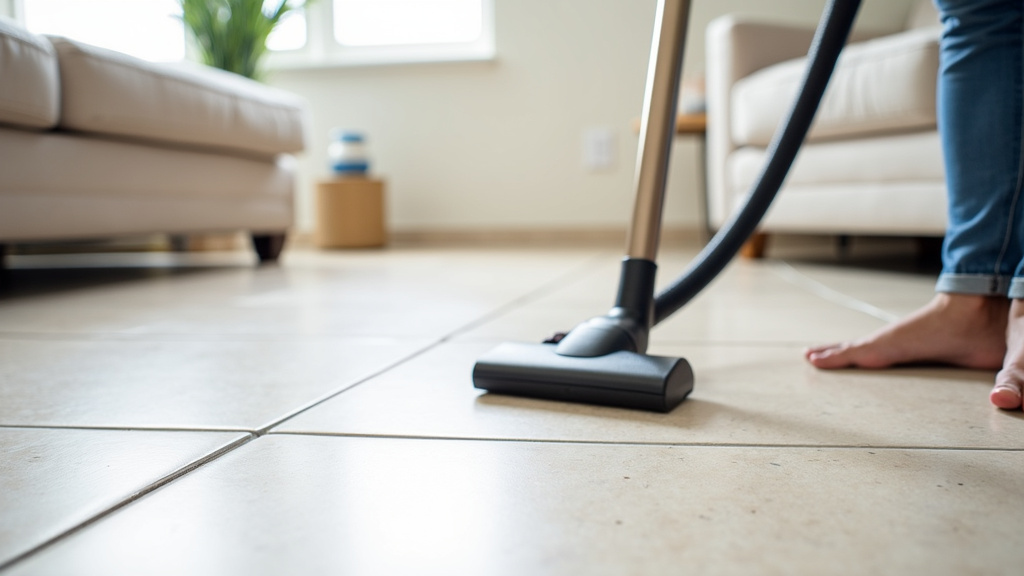
The best vacuum for tile floors is one that offers strong suction, gentle brushes, and specialized features to protect your surfaces. Many homeowners find that a cordless stick vacuum or a canister vacuum with a hard floor attachment works wonderfully for daily cleaning.
Choosing the right vacuum means your tile floors will stay clean and scratch-free. You need a vacuum that can handle everything from fine dust to small crumbs without damaging grout lines. We looked at what makes vacuums great for tile, considering different floor types like ceramic, porcelain, and natural stone.
- Strong suction is key for tile.
- Look for soft brush rolls.
- Consider cordless stick or canister models.
- Avoid harsh rotating brushes.
Ready to find your perfect cleaning partner? Below, we break down everything you need to know to choose the best vacuum for your tile floors.
Finding the Ideal Vacuum for Your Tile Floors
The best vacuum for your tile floors will make cleaning easy and protect your surfaces. It needs to pick up dirt and dust without causing any damage.
Understanding Tile Floor Types and Their Needs
Not all tile is the same. Different materials have different sensitivities. Knowing your tile type helps you choose wisely.
Ceramic and Porcelain Tiles
These are durable and low-maintenance. They can handle a bit more abrasion than natural stone. Still, you want a vacuum that won’t scratch the glaze.
Fine dust loves to settle on these surfaces. A vacuum with strong suction is a must. You’ll want to get all the grit before it scuffs the finish.
Natural Stone Tiles (Marble, Travertine, Slate, etc.)
Natural stone is beautiful but more delicate. These floors scratch more easily. They can also be porous, making dirt trapping a concern.
For these, a soft brush roll is not just a suggestion, it’s essential. You want to avoid anything that could gouge or abrade the surface (National Stone Institute).
Laminate and Vinyl Planks
While not true tile, many homes have these alternatives. They mimic tile’s look but often have different cleaning requirements. They are generally scratch-resistant but can dent.
These surfaces benefit from similar vacuum features as ceramic tile. A gentle touch and good suction are key to keeping them pristine.
Key Features to Look for in a Tile Vacuum
What makes a vacuum truly great for tile? It boils down to a few core elements. Let’s break them down for you.
Suction Power: Your Best Friend Against Grime
Strong suction is non-negotiable for tile floors. Why? Because dirt and debris can hide in grout lines and textured surfaces. A powerful motor lifts everything away efficiently.
You don’t want to go over the same spot multiple times. A vacuum with good CFM (Cubic Feet per Minute) rating will save you time and effort. We found that vacuums with at least 100 CFM tend to perform well on hard floors.
Brush Rolls and Attachments: Gentle Yet Effective
This is where many vacuums go wrong for tile. You need brushes that clean without scratching. The wrong brush can damage your floor’s finish.
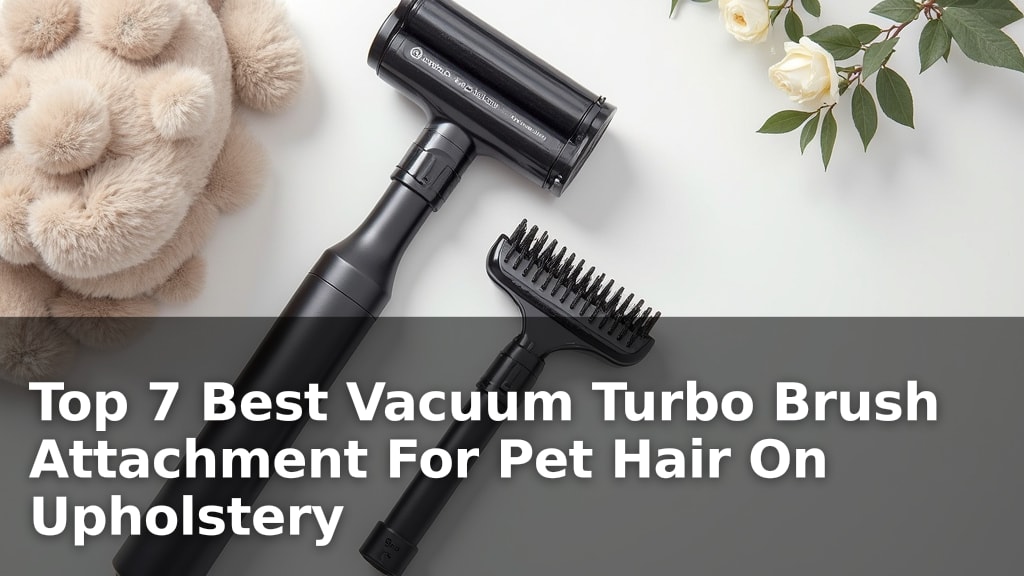
- Soft Bristle Brush Roll: This is ideal. It sweeps debris gently.
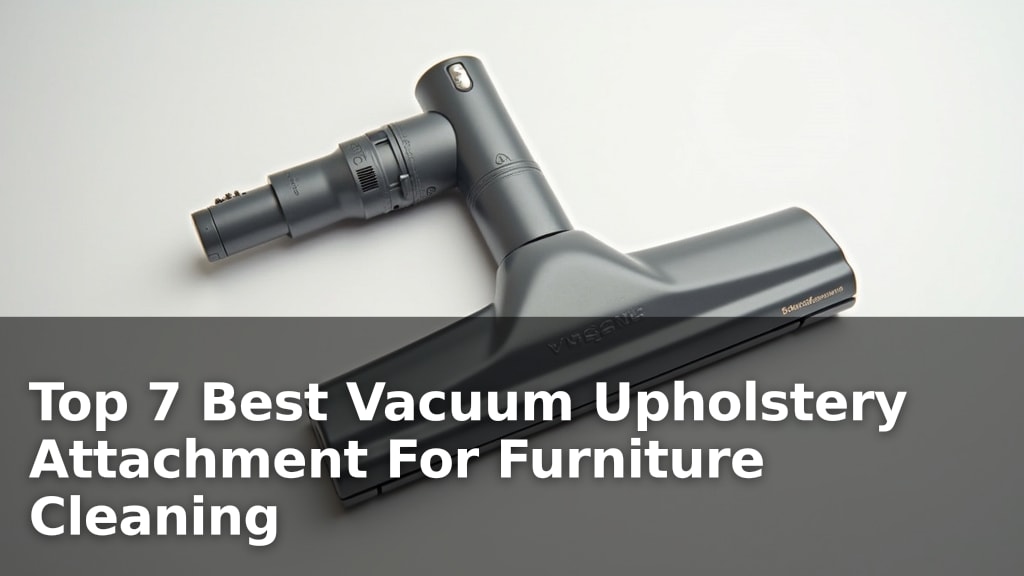
- Hard Floor Attachment: Some canister and upright vacuums come with a dedicated attachment. These often have felt strips or very soft bristles.
- No Beater Bar Option: Crucially, your vacuum should allow you to turn off the rotating brush (beater bar) function. Beater bars are designed for carpets; they can scratch and dull tile.
Filtration System: Breathing Cleaner Air
Good filtration, especially a HEPA filter, is a bonus. It traps fine dust and allergens. This means the air in your home stays cleaner while you vacuum.
For homes with pets or allergy sufferers, a HEPA filter is a real advantage (EPA recommends HEPA for air quality). It keeps those tiny particles from recirculating.
Types of Vacuums Best Suited for Tile Floors
There are different styles of vacuums. Which one fits your lifestyle and home best?
Cordless Stick Vacuums: Nimble and Convenient
Many homeowners love cordless stick vacuums for tile. They are lightweight and easy to maneuver. Plus, no cord to trip over!
Look for models with a soft brush head or an option to turn off the beater bar. Battery life is also something to consider. Longer run times mean you can clean more in one go.
Canister Vacuums: Powerful and Versatile
Canister vacuums often offer superior suction power. They come with various attachments, including dedicated hard floor tools. This makes them very versatile.
The main unit follows you, making it a bit heavier. But the cleaning head is usually light and easy to guide. They are excellent for larger tile areas.
Robot Vacuums: Set It and Forget It
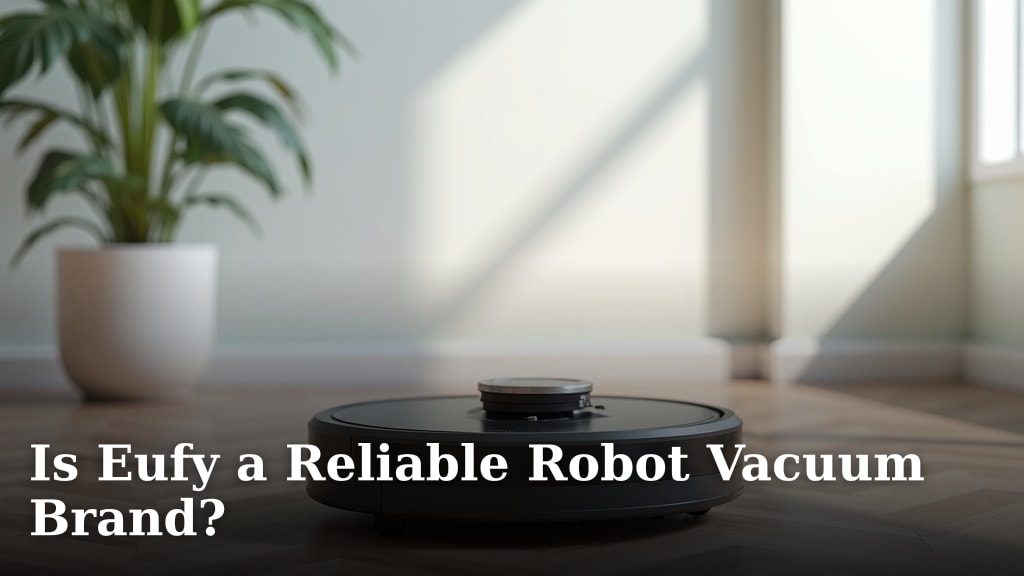
For daily maintenance, robot vacuums are fantastic. They keep dust and crumbs at bay between deeper cleans. Many models are safe for tile floors.
Ensure the robot vacuum has a soft brush or rubberized rollers. Some can even mop! They are not a replacement for deep cleaning, but they are great for daily upkeep.
Here’s a quick comparison:
| Vacuum Type | Pros for Tile | Cons for Tile |
|---|---|---|
| Cordless Stick | Lightweight, agile, easy storage | Shorter battery life, smaller dustbin |
| Canister | Strong suction, versatile attachments, large capacity | Can be bulky, corded, requires more storage |
| Robot | Automated, daily maintenance, hands-free | Limited deep cleaning, can get stuck, smaller dustbin |
What to Avoid When Vacuuming Tile Floors
Just as important as knowing what to look for is knowing what to steer clear of. Protecting your tile is paramount.
Vacuums with Aggressive Beater Bars
As mentioned, skip any vacuum where you can’t turn off the spinning brush roll. These are designed to agitate carpet fibers. On tile, they can scratch, dull, and even damage grout over time.
Even if the bristles seem soft, continuous scrubbing action can be detrimental. It’s like using sandpaper on your beautiful floors!
Heavy Upright Vacuums Without Proper Attachments
Some traditional upright vacuums are too heavy and lack proper hard floor settings. Dragging a heavy machine with hard plastic wheels can also cause wear and tear.
If you have an upright, make sure it has a ‘hard floor’ mode or a specialized attachment. Otherwise, you might be doing more harm than good.
Maintenance Tips for Your Tile Floors
A good vacuum is just one part of the equation. A little care goes a long way in keeping your tile floors looking new.
Regular Cleaning is Key
Don’t wait for dirt to build up. Regular vacuuming prevents abrasive particles from scratching your floors. It’s much easier to clean a little often than a lot rarely.
Consider a daily sweep or robot vacuum run in high-traffic areas. This simple habit keeps your floors gleaming.
Mind Your Grout Lines
Grout is often porous and can trap dirt. Your vacuum should help clean it, not damage it. Avoid harsh chemicals when cleaning grout.
A small, soft brush attachment can help get into those lines. Just be gentle! The goal is to lift dirt, not to scrub the grout away.
Your Tile Floor Vacuum Checklist
Ready to make a choice? Here’s a quick summary of what to keep in mind.
- Strong suction power for deep cleaning.
- Soft brush roll or hard floor attachment.
- Ability to turn off the beater bar.
- Lightweight and easy to maneuver.
- Good filtration system (HEPA if possible).
- Suitable for your specific tile type (e.g., gentle for natural stone).
Conclusion
Finding the perfect vacuum for your tile floors doesn’t have to be a chore. Remember, the goal is powerful cleaning without damaging your beautiful surfaces. You need strong suction, gentle brushes, and the ability to avoid aggressive beater bars. Whether you choose a nimble cordless stick, a robust canister, or a convenient robot vacuum, prioritize these features.
By keeping your specific tile type and daily cleaning needs in mind, you can confidently select a vacuum that will keep your floors sparkling. Make an informed choice, and enjoy cleaner, scratch-free tile for years to come!
Frequently Asked Questions
Can I use a regular vacuum cleaner on my tile floors?
You can, but it’s often not ideal. Many regular vacuums have stiff brush rolls designed for carpet. These can scratch or dull your tile and even damage grout lines over time. Always ensure your vacuum has a hard floor setting or a soft brush attachment.
Are robot vacuums effective for cleaning tile?
Yes, robot vacuums are great for daily maintenance on tile floors. They keep dust and pet hair at bay between deeper cleans. Look for models with soft brushes or rubberized rollers to protect your surfaces. They are best for upkeep, not heavy-duty cleaning.
What kind of brush is best for vacuuming tile floors?
A soft bristle brush roll or a dedicated hard floor attachment is best. These gently sweep debris without scratching your tile or grout. Always ensure you can turn off any aggressive spinning beater bars, which are meant for carpets.
How often should I vacuum my tile floors?
For best results, vacuum your tile floors regularly, especially in high-traffic areas. Daily vacuuming or a quick robot vacuum run can prevent dirt and grit from building up and potentially scratching your surfaces. Consistent cleaning helps maintain their shine.
Will a vacuum cleaner damage my grout lines?
A vacuum with a harsh beater bar or very stiff bristles can potentially damage grout over time. To protect your grout, choose a vacuum with soft brushes or a hard floor attachment. Gentle, consistent cleaning helps preserve your grout’s integrity.