Can You Wash a HEPA Filter?
No, you generally cannot wash a HEPA filter. Washing a HEPA filter will destroy its effectiveness and can even release trapped particles back into the air. This is because HEPA…

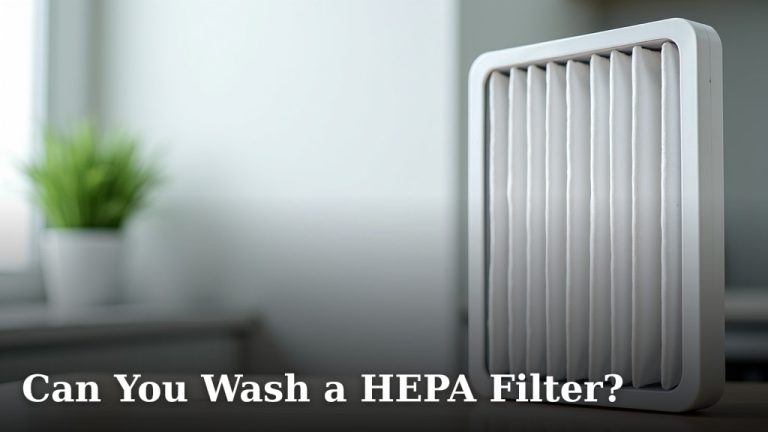
No, you generally cannot wash a HEPA filter. Washing a HEPA filter will destroy its effectiveness and can even release trapped particles back into the air. This is because HEPA…
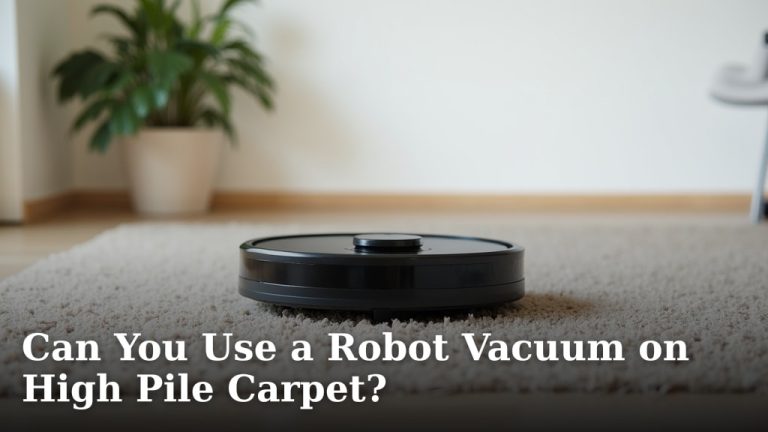
Yes, you can use a robot vacuum on high-pile carpet, but you need the right type of robot vacuum. Many standard robot vacuums struggle with longer carpet fibers, leading to…
No, you cannot safely vacuum water with a regular household vacuum cleaner. Doing so can cause serious damage to your vacuum and even lead to an electrical hazard. Regular vacuums…
<p>The <strong>best vacuum under $200</strong> depends on your specific cleaning needs, but many people find excellent value in <strong>cordless stick vacuums</strong> for their convenience and performance. We found that brands…
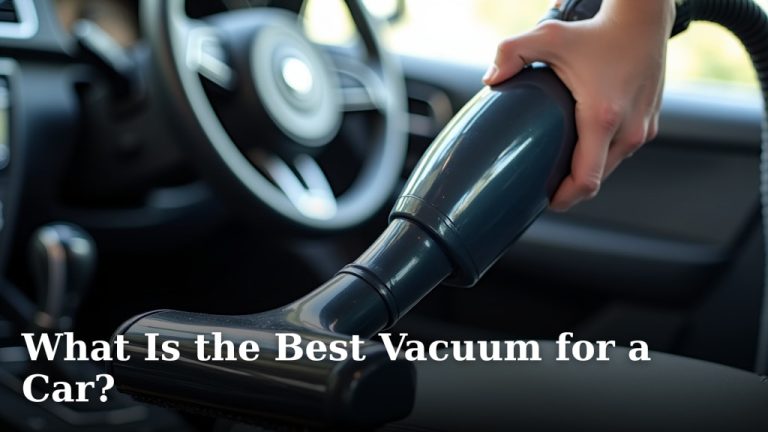
The best vacuum for a car is typically a cordless handheld model with strong suction and specialized attachments. We found that these vacuums offer the most convenience and power for…

The best vacuum for stairs is a cordless stick vacuum or a handheld vacuum. These types offer the best mix of power, portability, and attachments needed for effective stair cleaning….
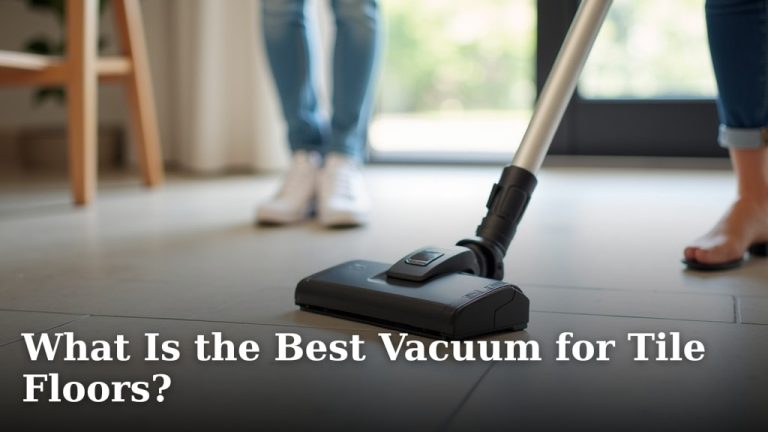
The best vacuum for tile floors is one that offers strong suction, gentle brushes, and specialized features to protect your surfaces. Many homeowners find that a cordless stick vacuum or…
The quietest vacuum cleaner isn’t just one model; it’s generally a vacuum designed with noise reduction features, often measured in decibels (dB). We found that models with larger motors, better…
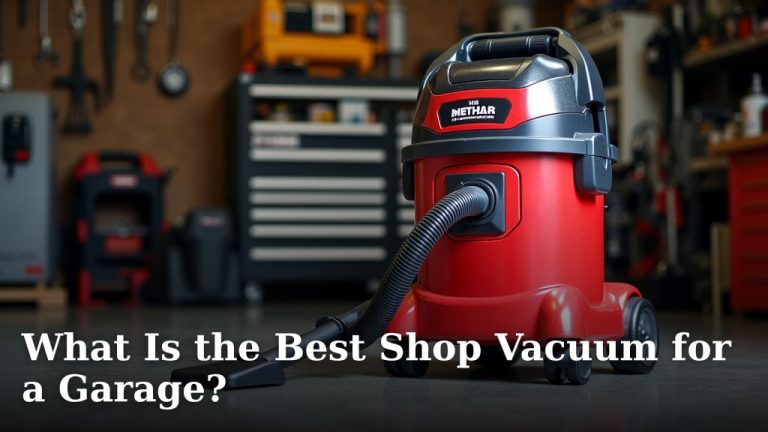
The best shop vacuum for a garage is one that balances strong suction, durability, and a large capacity, like the RIDGID 16-Gallon Wet/Dry Shop Vac or the Craftsman 16-Gallon Wet/Dry…
A wet dry vacuum is used for both wet and dry messes around your home or workspace. It’s a versatile cleaning tool designed to handle spills, dust, debris, and even…