Can You Vacuum Water with a Regular Vacuum?
On this page (6 sections)
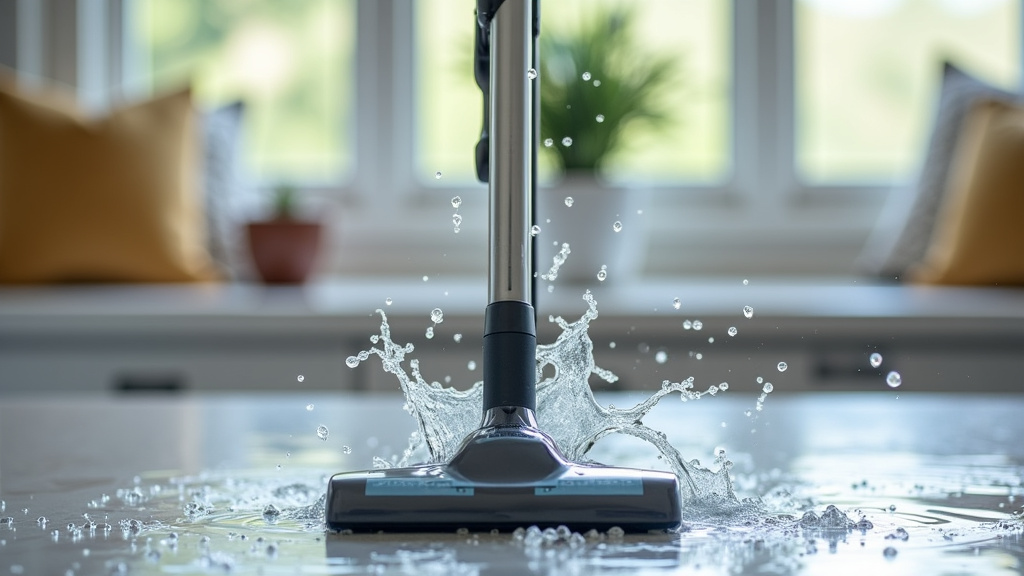
No, you cannot safely vacuum water with a regular household vacuum cleaner. Doing so can cause serious damage to your vacuum and even lead to an electrical hazard. Regular vacuums are built for dry debris only.
You might be tempted to clean up a spill quickly. However, dry vacuums lack the proper seals and internal components to handle liquids. We found that trying to vacuum water can short-circuit the motor or cause mold growth inside the machine.
- Never use a dry vacuum for liquids.
- Risk of electric shock.
- Your vacuum motor can be damaged.
- Mold and mildew can grow inside.
- Always use a wet/dry vacuum for spills.
So, what happens if you accidentally try to vacuum up water? Let’s walk through why this is a bad idea and what you should use instead.
Why Regular Vacuums Can’t Handle Water
You might be wondering, what’s the big deal with a little water? Can’t the vacuum just suck it up? The truth is, regular household vacuums are designed solely for dry debris. Their internal workings and safety features are not built to encounter liquids.
When you try to vacuum water, you’re essentially forcing an incompatible substance into a machine made for something else entirely. We found this can lead to a cascade of problems, from mild inconvenience to serious danger.
The Electrical Hazard
One of the most critical reasons to avoid vacuuming water is the risk of electrical shock. Your regular vacuum cleaner contains an electric motor and various electrical components. These are not sealed against water.
Water and electricity are a dangerous combination. If water reaches the motor or other live parts, it can cause a short circuit. This can lead to the vacuum malfunctioning, sparking, or even delivering an electric shock to you. It’s a very real safety concern (Electrical Safety Foundation International).
Imagine standing in a puddle while holding a sparking appliance. It’s a scenario you definitely want to avoid for your safety and the safety of those around you.
Damage to Your Vacuum’s Motor
Beyond electrical shock, vacuuming water is a surefire way to damage your vacuum’s motor. This is the heart of your machine, powering the suction.
When water enters the motor housing, it can corrode parts or cause the motor to seize. We’ve seen many reports of motors burning out instantly when exposed to liquids. This usually means your vacuum is permanently broken and needs to be replaced.
Replacing a vacuum can be expensive. A quick cleanup of a spill isn’t worth the cost of a new appliance. Think of your vacuum as a dedicated dry-cleaning assistant; it’s not equipped for a swimming pool accident.
Compromised Filtration System
Your vacuum’s filtration system is designed to trap dust and allergens. Most regular vacuums use paper filters, cloth bags, or HEPA filters. These are not meant to get wet.
When water hits these filters, they can become saturated and clog. A wet filter can tear, become ineffective, or even promote the growth of mold and mildew. This can then release unpleasant odors and potentially unhealthy spores back into your home environment.
A compromised filter means your vacuum won’t clean as effectively, and you’ll end up with poorer air quality. It’s a lose-lose situation.
The Mess Inside: Mold and Mildew
Let’s say you somehow manage to vacuum water without immediately shorting out the motor. What then? The water will collect inside the dustbin or bag. This creates a perfect environment for mold and mildew to thrive.
Mold loves damp, dark places. Your vacuum’s internal components, hoses, and attachments can become breeding grounds for these fungi. This not only causes a really foul odor but can also pose health risks, especially for those with allergies or respiratory issues (CDC).
Imagine turning on your vacuum and getting a blast of moldy air. Not exactly the fresh scent you want after cleaning! It’s a silent, hidden problem that can quickly develop.
What Happens if You Accidentally Vacuum Water?
Accidents happen! Maybe you’re cleaning up crumbs and your cat knocks over a glass of water, or you mistakenly aim for a wet spot. If you find yourself in this situation, don’t panic, but act quickly.
The immediate aftermath can vary. Your vacuum might make a strange noise, stop working altogether, or even emit smoke. Your first priority is safety.
Immediate Steps to Take
If you’ve accidentally vacuumed water, here’s what you should do right away:
- Unplug the vacuum immediately: This is the most important step to prevent electrical shock or further damage. Don’t touch any part of the vacuum while it’s still plugged in.
- Do not try to turn it back on: Even if it seems to stop working, attempting to restart it could worsen the damage or create a hazard.
- Empty the contents carefully: If water got into the dustbin or bag, dispose of it. Be cautious, as the water might be contaminated.
- Disconnect removable parts: Take off the hose, attachments, and filters.
- Allow everything to dry completely: This might take several days. Place components in a well-ventilated area. A fan can help speed up the process.
After it’s thoroughly dry, you can try plugging it in and turning it on. However, be aware that the motor or other components might still be damaged, even if it appears to work. We found that the risk of hidden corrosion or future malfunction is high.
The Right Tool for the Job: Wet/Dry Vacuums
So, if your regular vacuum is a no-go for liquids, what should you use? The answer is a wet/dry vacuum, also known as a shop vac. These powerful machines are specifically designed to handle both dry debris and liquids safely and efficiently.
Wet/dry vacuums are a staple in workshops, garages, and homes where spills are a regular occurrence. They are built with robust features that protect them from water ingress.
How Wet/Dry Vacuums Differ
Wet/dry vacuums have several key features that make them suitable for liquids:
- Sealed Motors: Their motors are usually sealed and positioned above the collection tank, preventing water from reaching electrical components.
- Water Shut-Off: Many models have a float mechanism that automatically shuts off suction when the tank is full, preventing overfilling and protecting the motor.
- Durable Collection Tanks: They use sturdy plastic or metal tanks to collect liquids, rather than permeable bags or delicate dustbins.
- Specialized Filters: Wet/dry vacs use different filters for wet and dry use. Foam filters are common for liquids, while cartridge filters are for dry debris.
- Robust Hoses and Attachments: These are built to withstand the passage of liquids without degradation.
Think of it like this: you wouldn’t use a hammer to drive a screw, would you? Each tool has its specific purpose. A wet/dry vac is the hammer for your liquid cleanups.
Choosing a Wet/Dry Vacuum
When selecting a wet/dry vacuum, consider your needs. Do you need it for small spills or large floods? Look at these factors:
- Tank Capacity: Measured in gallons, this tells you how much liquid it can hold.
- Peak Horsepower (HP): Indicates the motor’s strength, affecting suction power.
- Hose Diameter: Larger hoses are better for picking up bigger debris.
- Included Accessories: Different nozzles and brushes can be very helpful.
- Drain Port: A large drain port makes emptying liquids much easier.
Investing in a good wet/dry vacuum means you’ll be prepared for anything from a burst pipe to a spilled drink, without risking your regular vacuum or your safety.
Other Ways to Clean Up Liquid Spills
What if you don’t have a wet/dry vacuum? For smaller spills, there are still effective and safe ways to clean up liquids without risking your dry vacuum.
Spills on Hard Surfaces
For tile, laminate, or hardwood floors, cleanup is usually straightforward:
- Towels and Mops: Absorb as much liquid as possible with old towels or paper towels. Then, use a mop with a suitable cleaner to wipe the surface thoroughly.
- Squeegee and Dustpan: For larger puddles, a squeegee can push water into a dustpan for easy disposal.
Make sure the area is completely dry to prevent slipping hazards or damage to your flooring. We found that even a small amount of residual moisture can cause issues over time.
Spills on Carpets and Rugs
Carpets require a bit more effort due to their absorbent nature:
- Blot, Don’t Rub: Use clean, dry towels to blot the spill. Press down firmly to absorb as much liquid as possible. Rubbing can spread the stain and damage carpet fibers.
- Absorbent Materials: For very wet spots, you can layer paper towels, then a clean towel, and weigh it down with something heavy for a few hours. This helps draw moisture out of the carpet.
- Carpet Cleaner/Spot Treatment: After blotting, use a carpet cleaner specifically designed for the type of stain or liquid. Always test in an inconspicuous area first.
- Air Dry Thoroughly: Use fans or open windows to ensure the carpet dries completely. Damp carpets are prime locations for mold and mildew growth (Environmental Protection Agency).
Your goal is to remove the liquid and prevent any long-term damage or smells. Patience is key when drying carpets.
| Feature | Regular Dry Vacuum | Wet/Dry Vacuum |
|---|---|---|
| Purpose | Dry debris (dust, dirt, pet hair) | Dry debris & Liquids (water, spills) |
| Motor Sealing | Not sealed against water | Often sealed, protected from water |
| Collection Method | Bag, dustbin, or cyclonic container | Large, robust tank for liquids |
| Filtration | Paper, cloth, HEPA (ruined by water) | Specialized filters for wet & dry use |
| Safety Hazards | Electric shock, motor damage with water | Minimal hazard when used correctly |
| Cost | Varies (typically less than wet/dry) | Varies (can be more robust/expensive) |
Conclusion
As you can see, using a regular vacuum to clean up water is a significant risk. You’re not just risking your appliance; you’re also putting your safety in jeopardy due to potential electrical hazards. We’ve learned that a regular vacuum’s internal components, filters, and motor are simply not built for liquids.
Instead, invest in a reliable wet/dry vacuum or use absorbent materials for smaller spills. This simple distinction keeps your home safe and your appliances working correctly. Always match the tool to the task for the best results.
Frequently Asked Questions
What is the main difference between a regular vacuum and a wet/dry vacuum?
The primary difference is their design for liquids. Regular vacuums are for dry debris only and lack sealed motors and water-safe components. Wet/dry vacuums have sealed motors, robust tanks, and specialized filters to handle both dry materials and liquids safely.
Can I use my regular vacuum on a slightly damp carpet?
No, even a slightly damp carpet can introduce enough moisture to damage your regular vacuum’s motor or filter. It’s best to blot damp spots thoroughly with towels and let them air dry. We found that any amount of water poses a risk.
Is it ever safe to use a regular vacuum for very small liquid spills, like a few drops?
Even a few drops can be problematic if they reach sensitive electrical components or saturate the filter. It’s genuinely not worth the risk of damaging your vacuum or creating a safety hazard. Always grab a towel for small liquid spills.
How can I tell if my regular vacuum has been damaged by water?
Signs of water damage can include strange noises, loss of suction, a burning smell, visible rust, or the vacuum simply failing to turn on. If it does turn on, it might work intermittently or make unusual sounds. We advise having it checked by a professional.
What should I do if I don’t own a wet/dry vacuum but have a significant water spill?
For large spills, your best bet is to manually absorb as much water as possible using towels, mops, and buckets. If the spill is very large, consider renting a wet/dry vacuum or calling a professional water extraction service. Your safety comes first.