Is It Safe to Vacuum Up Spilled Bleach?
On this page (7 sections)
No, you absolutely should not vacuum up spilled bleach. We found that doing so can create dangerous fumes and damage your vacuum cleaner. It’s a risk to your health and your household appliances.
Bleach is a powerful chemical, and mishandling it can lead to serious problems. For example, some experts warn that mixing bleach with other cleaners, or even just water in a vacuum, can release toxic gases. You’ll want to clean up that spill safely.
- Never vacuum up spilled bleach.
- Toxic fumes can be released.
- It can damage your vacuum.
- Always clean bleach spills by hand.
- Safety first when handling chemicals.
Let’s walk through exactly why vacuuming bleach is so risky and what you should do instead to clean up this common household spill safely.
Why Vacuuming Bleach is a Bad Idea (Seriously!)
You might think reaching for the vacuum is the quickest way to deal with a liquid spill. But when it comes to bleach, that handy appliance becomes a hazard. We found several critical reasons why this is a definite no-go. It’s about protecting your health and your expensive equipment.
The Danger of Toxic Fumes
This is the biggest concern. Bleach is sodium hypochlorite, a strong oxidizing agent. When it gets agitated, especially by the powerful suction and internal mechanisms of a vacuum, it can release harmful gases. These fumes are not something you want to breathe in.
Mixing with Residues
Think about what else is in your vacuum. Dust, pet hair, food particles, and even residue from other cleaners. Bleach can react with many common household substances. For instance, bleach mixed with ammonia (often found in glass cleaners or some floor cleaners) creates chloramine gas. This gas is incredibly irritating and can be dangerous to inhale (Centers for Disease Control and Prevention).
Even mixing bleach with acidic substances, like vinegar or certain toilet bowl cleaners, produces chlorine gas. Chlorine gas is a severe respiratory irritant and can cause significant damage to your lungs. It’s a risk not worth taking.
Aerosolized Bleach Particles
A vacuum cleaner works by creating a strong airflow. When you vacuum a liquid like bleach, you’re essentially atomizing it – turning it into tiny airborne droplets. These tiny particles can then be inhaled deep into your lungs. Inhaling bleach can cause coughing, shortness of breath, and irritation to your respiratory tract. It’s like spraying bleach directly into the air you breathe.
Damage to Your Vacuum Cleaner
Beyond the health risks, pouring bleach into your vacuum is a surefire way to damage it. These machines are not designed for corrosive chemicals.
Corrosion of Internal Components
Bleach is a corrosive substance. It can break down plastics, rubber seals, and metal parts inside your vacuum. Hoses can crack, gaskets can degrade, and the motor itself can be compromised. This damage can happen quickly, rendering your vacuum useless. Imagine buying a new vacuum simply because of one spill.
Electrical Hazards
Introducing a liquid, especially a corrosive one like bleach, into an electrical appliance is always risky. Bleach can seep into electrical components, causing short circuits. This not only destroys the vacuum but also poses a risk of electrical shock or even fire. We certainly don’t want that for you.
The Safe Way to Clean Up Bleach Spills
So, if vacuuming is out, what’s the right approach? The key is to act quickly and carefully. Your safety is the top priority here.
Gather Your Safety Gear First
Before you touch anything, protect yourself. This isn’t optional; it’s essential when dealing with chemicals.
- Gloves: Wear sturdy rubber or nitrile gloves to protect your skin. Bleach can cause irritation and burns.
- Eye Protection: Goggles or safety glasses are a must. A splash in the eye can cause serious damage.
- Ventilation: Open windows and doors. Good airflow helps disperse any fumes that might arise. Turn on a fan if possible.
Steps for Cleaning a Bleach Spill
Once you’re protected, follow these steps. They are simple but effective for keeping you safe.
- Contain the Spill: If it’s a large spill, try to prevent it from spreading further. Use old towels or rags to create a barrier around the edges.
- Absorb the Bleach: Use absorbent materials. Old towels, paper towels, or even cat litter work well. Gently place them over the spill to soak up the liquid. Do not rub or spread the bleach.
- Rinse the Area: Once most of the bleach is absorbed, you’ll need to dilute and rinse the area. Use a clean cloth dampened with plain water. Wipe the area thoroughly.
- Repeat Rinsing: Rinse the cloth, wring it out, and wipe again. You want to remove all bleach residue. You might need to do this several times.
- Dry the Area: Use a dry, clean towel to dry the surface completely.
Disposing of Bleach-Soaked Materials
Don’t just toss those bleach-soaked towels into your regular trash. There’s a right way to dispose of them.
- Seal in a Bag: Place all used gloves, paper towels, and rags into a plastic trash bag. Tie it securely.
- Outdoor Disposal: Take the sealed bag immediately to an outdoor trash can. This helps prevent any lingering fumes from affecting your indoor air quality.
- Wash Reusable Items: If you used reusable towels, rinse them thoroughly with plain water several times before washing them separately. Do not wash them with other clothes, and do not use hot water initially as it can set stains.
What NOT to Do When Cleaning Bleach
Knowing what to avoid is just as important as knowing what to do. These common mistakes can make the situation worse.
Do Not Mix Bleach with Other Cleaners
This cannot be stressed enough. Never, ever mix bleach with other household cleaners, especially those containing ammonia (like window cleaners) or acids (like vinegar or toilet bowl cleaners). As we found earlier, these combinations create highly toxic gases that can be fatal. Stick to plain water for diluting and rinsing.
Avoid Rubbing the Spill Aggressively
When you rub a bleach spill aggressively, you risk spreading it further and creating more fumes. Gentle blotting and absorption are the safest methods. Think of it like blotting a stain, not scrubbing a dirty floor.
Don’t Delay Cleanup
The longer bleach sits, the more it can damage surfaces and potentially release fumes. Act quickly but calmly. A swift, safe cleanup is always better than a rushed, risky one.
Comparing Cleanup Methods: Vacuum vs. Manual
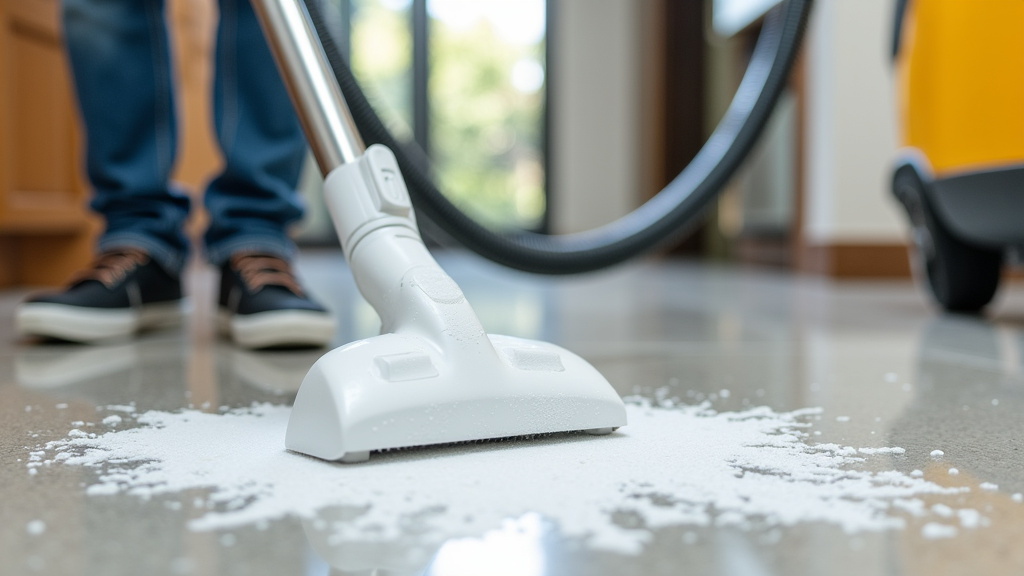
To really drive the point home, let’s look at the stark differences between vacuuming bleach and cleaning it manually. It’s clear which method keeps you safer.
| Feature | Vacuuming Bleach (NOT Recommended) | Manual Cleanup (Recommended) |
|---|---|---|
| Safety Risk | High (toxic fumes, electrical shock, chemical burns) | Low (if proper PPE is used) |
| Equipment Damage | Very High (corrosion, electrical damage, voided warranty) | None (using disposable or easily washable items) |
| Effectiveness | Poor (spreads chemicals, leaves residue) | High (thorough absorption and dilution) |
| Cleanup Time | Potentially quick but extremely dangerous consequences | A few minutes, with safety precautions |
| Cost Implication | Potential vacuum replacement, medical bills | Minimal (paper towels, gloves) |
Your Bleach Spill Safety Checklist
To keep things clear and actionable, here’s a quick list to run through if you ever spill bleach. Keep this in mind, and you’ll be well-prepared.
- Put on gloves and eye protection immediately.
- Open windows and doors for ventilation.
- Contain the spill with old towels or rags.
- Absorb the bleach gently with paper towels or cat litter.
- Rinse the area thoroughly with plain water.
- Dispose of contaminated materials in a sealed bag, outdoors.
- Never vacuum bleach or mix it with other cleaners.
Conclusion
You’ve learned that vacuuming spilled bleach is a serious safety risk, not a shortcut. It creates dangerous fumes that harm your lungs and corrodes your expensive vacuum cleaner. Your health and your appliance’s lifespan are simply not worth compromising.
Always prioritize safety. Equip yourself with gloves and eye protection, ensure good ventilation, and clean bleach spills manually. Absorb it, rinse it with plain water, and dispose of materials safely. By following these steps, you keep yourself and your home safe from bleach’s potential dangers.
Frequently Asked Questions
What should I do if I accidentally vacuumed up a small amount of bleach?
If you’ve accidentally vacuumed bleach, immediately turn off the vacuum and unplug it. Move it to a well-ventilated area, preferably outdoors, to allow any fumes to dissipate. Do not attempt to open or clean the vacuum indoors.
Can bleach fumes cause long-term health problems?
Yes, prolonged or severe exposure to bleach fumes can lead to chronic respiratory issues, such as asthma or bronchitis. It’s crucial to minimize exposure and ensure proper ventilation whenever you use bleach for cleaning.
Is it safe to use a wet/dry shop vac for bleach spills?
No, even a wet/dry shop vac is not safe for bleach spills. While designed for liquids, bleach’s corrosive nature can still damage internal components and create hazardous fumes, just like a regular vacuum. Always clean bleach spills manually.
What if I don’t have gloves or eye protection readily available?
If you don’t have proper safety gear, try to find some before approaching the spill. If that’s not possible, open all windows and doors for maximum ventilation, and use thick paper towels or old rags while avoiding direct skin contact as much as possible. Safety should always be your top priority.
How can I prevent bleach spills from happening in the first place?
To prevent spills, always store bleach in its original, clearly labeled container on a low shelf, away from children and pets. Use bleach in a well-ventilated area, and pour it carefully over a sink or tub when transferring to a spray bottle or bucket. Never overfill containers.