
How to Vacuum Pet Hair Off a Couch?
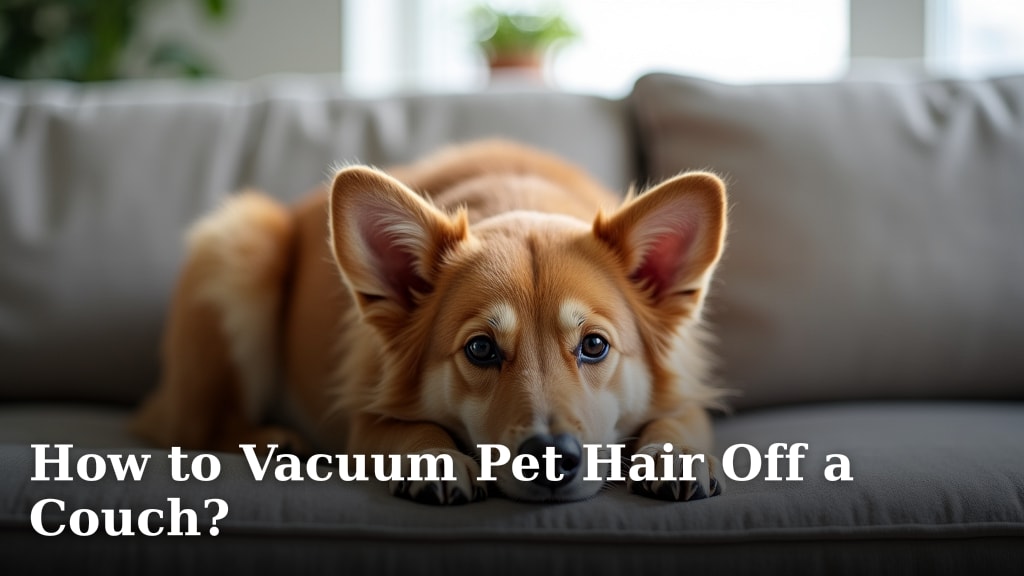
The easiest way to vacuum pet hair off a couch is to use the right attachments and a consistent technique. You’ll want to use your vacuum’s upholstery tool or a specialized pet hair attachment. Then, work in overlapping strokes, moving the vacuum in different directions to lift stubborn hairs. This method helps ensure you get those pesky strands.
Dealing with pet hair on furniture can feel like a constant battle. It seems to cling to fabric no matter what. Fortunately, with the correct approach, you can greatly reduce the amount of fur on your couch. We found that a little preparation goes a long way in making your vacuuming more effective.
- Use the upholstery attachment.
- Work in overlapping strokes.
- Vacuum in multiple directions.
- Consider a pet hair tool.
Let’s walk through exactly how to get your couch looking its best, free from fur, step by step.
“`htmlConquering Couch Cat Hair: Your Vacuuming Masterclass
Pet hair on the couch is a common struggle for pet parents. It seems to embed itself deep into fabric fibers. Fortunately, you can effectively remove it with the right tools and methods. We found that preparing your vacuum cleaner is a key step for success.
Preparing Your Vacuum for the Furry Task
Before you even think about touching your couch, let’s get your vacuum ready. A clogged or inefficient vacuum won’t do you any favors. Think of it like trying to run a race with weights on your ankles – it’s just not going to work well.
Empty the Dustbin or Bag
This is probably the most important preparatory step. If your vacuum’s dustbin is full, it loses suction power. Reduced suction means less hair will get picked up. Many guidelines suggest emptying it when it’s about two-thirds full (Consumer Reports). This ensures optimal performance. You’ll be surprised how much hair can fill up that bin! To ensure optimal performance, learn how to increase your vacuum cleaner’s suction power.
Check and Clean the Filter
Pet hair and dander can quickly clog your vacuum’s filter. A clogged filter also drastically reduces suction. Some filters are washable, while others need to be replaced periodically. Check your vacuum’s manual for specific instructions. A clean filter helps your vacuum breathe better, which means it can breathe in more hair.
Inspect the Brush Roll
The brush roll on your vacuum is what agitates carpet fibers to loosen debris. Pet hair often wraps around the brush roll, making it less effective. Carefully cut away any tangled hair and debris with scissors. A clean brush roll can grab and lift more fur from your couch’s upholstery.
Choosing the Right Vacuum Attachments
Not all vacuum attachments are created equal when it comes to pet hair. Some are designed specifically for this furry challenge. Using the correct attachment makes a world of difference. It’s like using the right tool for a DIY project – it just works better.
The Upholstery Tool is Your Best Friend
Most vacuums come with an upholstery tool. This is usually a wide, flat attachment with a lint strip. It’s designed to pick up surface debris from soft furnishings. This is often your go-to tool for everyday pet hair on couches. It’s specifically designed to gently lift fibers and the hair stuck within them.
Specialized Pet Hair Attachments: Are They Worth It?
Many vacuum brands offer specialized pet hair attachments. These can include motorized brush heads for upholstery or crevice tools with rubber nubs. Research and found that these attachments often perform better than standard ones for deeply embedded hair. If pet hair is a constant battle in your home, investing in one might be a wise decision. They are engineered to grab and pull hair more effectively. Consider investing in specialized pet-specific attachments for your vacuum.
The Crevice Tool for Those Nooks and Crannies
Don’t forget those hard-to-reach spots! The crevice tool is perfect for getting into the seams and between cushions where hair loves to hide. It’s narrow and long, allowing you to target those tight areas. Even the most powerful vacuum can’t reach everywhere without the right attachment.
Mastering the Vacuuming Technique for Maximum Hair Removal
Having the right tools is only half the battle. Your technique plays a massive role in how much pet hair you actually remove. We found that a systematic approach yields the best results. Think of it like giving your couch a thorough massage, but with a vacuum.
Work in Overlapping Strokes
When you vacuum your couch, don’t just do a quick once-over. Move the vacuum head in deliberate, overlapping strokes. Ensure each pass covers about half of the previous stroke. This methodical approach guarantees you don’t miss any spots. It’s like painting a wall – you want complete coverage without streaks. This ensures no stray hairs escape the cleaning mission.
Vacuum in Multiple Directions
Pet hair doesn’t always lie flat. It can get woven into the fabric at different angles. To tackle this, vacuum in multiple directions. Start by going up and down the couch. Then, go side to side. You might even need to try diagonal strokes. This helps to dislodge and lift hairs that are stuck deep within the upholstery fibers. We found this multi-directional approach significantly increases hair collection.
Apply Gentle but Firm Pressure
You don’t need to scrub your couch aggressively. However, a little bit of firm pressure helps the brush roll or upholstery tool grab the hair. Guide the vacuum smoothly across the surface. Let the vacuum do the work. You’re aiming to lift, not scrape. Gentle but consistent pressure is key for effective hair removal without damaging your furniture.
Pay Attention to High-Traffic Areas
Certain areas of your couch likely attract more pet hair. These are typically the spots where your pet likes to lounge the most. Spend a little extra time on these areas. Go over them several times using your multi-directional technique. Focusing your efforts where it’s needed most makes your cleaning time more efficient.
Dealing with Stubborn Pet Hair and Different Fabric Types
Some couch fabrics are more prone to trapping pet hair than others. While the techniques above are generally effective, you might need to adjust for certain materials. Research indicates that woven fabrics and those with a plush texture can be more challenging. Here’s how to approach common fabric types.
For Smooth Fabrics (e.g., Leather, Microfiber)
Leather and microfiber couches are generally easier to clean. Hair tends to sit on the surface. A quick pass with the upholstery tool or even a slightly damp cloth can often do the trick. For microfiber, a rubber glove wiped over the surface can also gather hair effectively before you vacuum. The key here is to prevent it from getting embedded.
For Textured Fabrics (e.g., Velvet, Chenille)
These fabrics can be a haven for pet hair. The texture provides many places for hair to cling. You’ll likely need to use your vacuum’s upholstery tool with a bit more focus. Working in multiple directions is especially important here. Sometimes, a slightly stiffer brush attachment can help agitate the fibers and loosen trapped hair. Many experts suggest testing a small, inconspicuous area first to ensure the attachment doesn’t snag or damage the fabric.
For Woven Fabrics (e.g., Linen, Cotton Blends)
Woven fabrics can have a weave that catches hair like a net. The multi-directional vacuuming technique is crucial here. You might also find that a vacuum with a stronger suction power is more beneficial for these types of materials. Be gentle to avoid stretching or distorting the weave over time.
Quick Checklist for a Fur-Free Couch
Ready to tackle that fur? Keep this simple checklist handy:
- Empty your vacuum’s dustbin/bag.
- Clean or replace your vacuum filter.
- Untangle hair from the brush roll.
- Attach the upholstery tool or pet hair attachment.
- Vacuum in overlapping, multi-directional strokes.
- Focus extra time on your pet’s favorite spots.

Conclusion
You’ve got the power to banish pet hair from your couch! By preparing your vacuum and using the right attachments, you’ve got the tools. Mastering those overlapping, multi-directional strokes is your technique. You can make your couch a fur-free zone again. Don’t let stubborn hairs win. Your next step? Grab your prepared vacuum and give your couch the attention it deserves. Enjoy your cleaner, comfier seating!
Frequently Asked Questions
How often should I vacuum my couch for pet hair?
It’s best to vacuum your couch at least once a week, or more often if your pet sheds heavily. Consistent cleaning prevents hair from becoming deeply embedded in the fabric. This regular maintenance makes each vacuuming session much easier.
Can I use a regular vacuum cleaner without special attachments?
While possible, a regular vacuum might struggle with embedded pet hair. Using the upholstery tool that came with your vacuum is a good start. If you don’t have one, consider investing in a pet hair attachment for better results.
What’s the best way to get hair off my couch if I don’t have a vacuum?
If a vacuum isn’t an option, try using a rubber glove or a damp microfiber cloth. Wipe the couch surface in one direction to gather the hair into piles. You can then pick up these piles by hand or with a lint roller.
My vacuum still leaves hair, what else can I try?
Ensure your vacuum has strong suction by cleaning the filter and brush roll. For difficult areas, try a handheld pet hair vacuum or a specialized upholstery tool with rotating bristles. Sometimes, a slightly damp cloth before vacuuming can help loosen stubborn hairs.
Will vacuuming damage my couch fabric?
When done correctly, vacuuming should not damage your couch fabric. Use the appropriate attachment for upholstery and avoid excessive force. For delicate fabrics, always test a small, inconspicuous area first and use gentler pressure.
