How To Clean Curtains With Vacuum Cleaner?
On this page (3 sections)
To clean curtains with a vacuum cleaner, first select the appropriate soft brush or upholstery attachment. Gently vacuum the curtains from top to bottom, using low suction, while supporting the fabric to prevent damage. For another upholstery project, see our guide to vacuuming a sofa.
This method effectively removes dust, dirt, and allergens without needing to take your curtains down, making regular maintenance simple.
TL;DR: Want the quick rundown?
- Choose the right soft brush or upholstery vacuum tool.
- Adjust your vacuum to a low suction setting.
- Start vacuuming from the very top of your curtains.
- Work your way down in slow, even strokes.
- Repeat regularly to keep dust and allergens at bay.
How To Clean Curtains With Vacuum Cleaner?
Cleaning your curtains with a vacuum cleaner is a simple and effective way to remove dust and allergens. You just need the right tools and a gentle technique.
It helps keep your home looking fresh and feeling healthier between deeper cleans.
Why Vacuum Your Curtains? It’s More Than Just Looks!
Have you ever noticed how dusty a room can get, even if you clean regularly? Your curtains are silent dust magnets.
Regular vacuuming isn’t just about appearance; it’s about creating a cleaner living space for you and your family.
Battling Dust and Allergens
Curtains collect a surprising amount of dust, pet dander, and pollen. This buildup can affect your indoor air quality.
Many cleaning experts suggest that regular curtain vacuuming can significantly reduce allergens in your home (Environmental Protection Agency guidelines).
Keeping Fabrics Fresh
Dust and grime don’t just sit on the surface; they can embed themselves into fabric fibers. This makes curtains look dull.
Vacuuming helps preserve the fabric’s look and feel, extending the life of your beautiful window treatments.
Gather Your Gear: Essential Vacuum Attachments
Before you start, make sure you have the right tools. Your vacuum cleaner likely comes with several useful attachments.
Choosing the correct one is key to cleaning your curtains effectively without causing any damage.
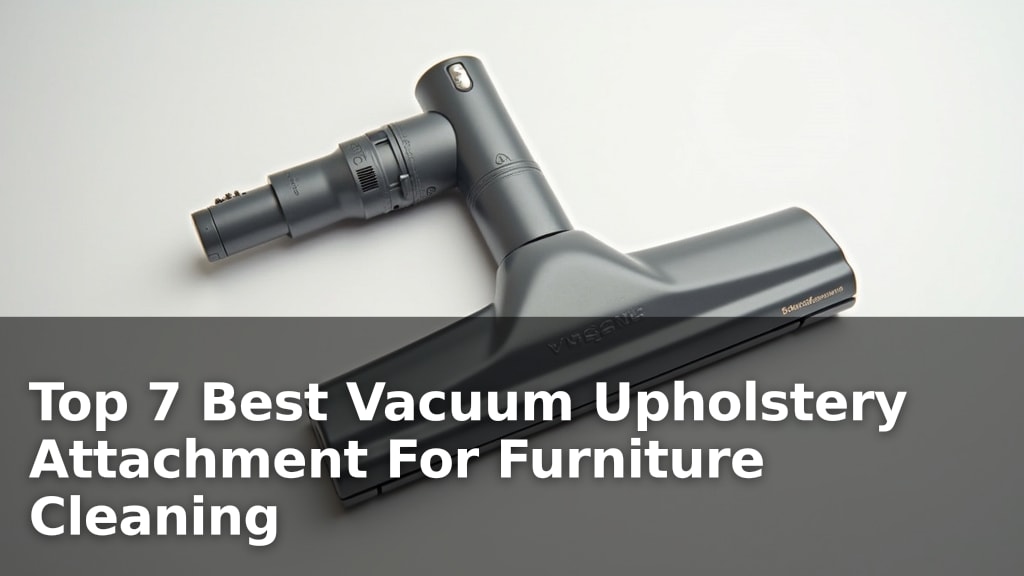
The Upholstery Tool: Your Best Friend
This attachment usually has a wide, flat head, sometimes with a fabric strip. It’s perfect for larger surface areas.
It offers good suction without being too aggressive on your curtain material, making it ideal for general cleaning.
Crevice Tool: For Those Tricky Spots
That long, narrow nozzle is designed to reach into tight spaces. Think about the pleats and folds of your curtains.
It’s excellent for getting into those hidden areas where dust loves to settle and hide away.
Soft Brush Attachment: Gentle Touch
Many vacuum cleaners come with a dusting brush, often round with soft bristles. This is a fantastic option for delicate fabrics.
The soft bristles gently agitate the dust loose, allowing the vacuum to whisk it away without pulling on the fabric.
Pre-Cleaning Prep: Setting the Stage for Success
A little preparation goes a long way. Taking a few moments before you vacuum can make the whole process smoother and more effective.
Think of it as setting the stage for a successful cleaning performance.
Here’s a quick checklist to get ready:
- Check Curtain Labels: Are they vacuum-friendly? Most are, but a quick glance never hurts.
- Dust with a Duster First (Optional): For very dusty curtains, a light dusting can knock off the loose stuff.
- Test a Small Spot: Always test your vacuum attachment on an inconspicuous area first.
- Adjust Vacuum Suction: Set it to a low or medium setting to prevent fabric damage.
- Clear the Area: Move furniture or decor that might get in your way.
- Open Windows (if possible): This helps disperse any fine dust released into the air.
The Step-by-Step Vacuuming Process
Ready to get started? Cleaning your curtains is straightforward when you follow these simple steps.
Patience and a methodical approach will give you the best results.
Starting at the Top
Gravity is your friend here. Dust naturally falls downwards, so you should too.
Begin at the very top of your curtains, near the rod or track, and work your way down in sections.
Working Your Way Down
Use long, slow, downward strokes. Overlap each stroke slightly to ensure you don’t miss any spots.
Support the curtain fabric with your free hand if it’s lightweight or tends to get pulled into the vacuum hose.
Gentle Suction is Key
Remember to keep the suction low. Too much power can stretch or even damage delicate fabrics.
The goal is to gently lift dust, not to tug aggressively at the material. Be kind to your curtains.
Dealing with Different Curtain Types
Not all curtains are created equal, and some may need a slightly different approach.
Understanding the fabric helps you choose the best method for your specific window treatments.
Here’s a quick guide:
| Curtain Type | Recommended Attachment | Key Tip |
|---|---|---|
| Sheer/Delicate Fabrics (e.g., lace, silk) | Soft brush attachment | Very low suction; support fabric with hand. |
| Medium-Weight Fabrics (e.g., cotton, linen) | Upholstery or soft brush | Medium suction; longer, even strokes. |
| Heavy Fabrics (e.g., velvet, blackout) | Upholstery tool | Can use slightly higher suction; focus on pile direction. |
Tips for Stubborn Dust and Pet Hair
Sometimes, dust and pet hair can be a bit more persistent. Don’t worry, there are still some tricks you can use.
A little extra effort can make a big difference for those tougher cleaning challenges.
For pet hair, try rubbing a damp rubber glove over the curtains first. The glove creates static, gathering the hair into clumps.
Then, vacuum these clumps away. For stubborn dust, a slightly damp microfiber cloth wiped gently before vacuuming can help loosen it.
How Often Should You Vacuum Curtains?
The frequency depends on several factors, like your household and local environment. Are you in a dusty area?
Do you have pets or allergy sufferers in the home? These things will influence your cleaning schedule.
Many cleaning experts recommend vacuuming curtains once a month for general maintenance. If you have pets, allergies, or live in a high-traffic area, consider doing it every two weeks.
It’s about finding a rhythm that works for your specific home and keeps your air quality optimal.
Vacuuming vs. Washing: When to Do What
Vacuuming is fantastic for maintenance, but it doesn’t replace a deeper clean. Think of it as your regular tidying-up.
Washing, on the other hand, is a more thorough cleanse that tackles deeper grime and stains.
You should vacuum your curtains regularly to prevent dust buildup. Washing, however, is typically needed every 3-6 months, or annually, depending on the fabric and how dirty they get.
Always check the care label on your curtains for specific washing instructions before attempting a full wash.
Common Mistakes to Avoid
Even with good intentions, it’s easy to make a few missteps when vacuuming curtains. Being aware of these can save you time and potential fabric damage.
A little caution ensures your curtains remain beautiful and intact.
One common error is using too high a suction setting, which can pull and stretch delicate fabrics. Always opt for low or medium suction.
Another mistake is not testing the attachment on an inconspicuous spot first. This quick check can prevent unexpected damage.
Also, don’t rush the process. Quick, haphazard strokes won’t pick up all the dust effectively. Take your time for a thorough clean.
Ignoring pleats and folds is also a common oversight; use your crevice tool to get into these hidden dust traps.
Conclusion
Cleaning your curtains with a vacuum cleaner is a simple yet powerful way to maintain a healthier, dust-free home. It’s a quick fix that offers big returns.
By using the right attachments, a gentle touch, and regular effort, you can significantly reduce allergens and keep your curtains looking their best.
Remember, regular vacuuming extends the life of your curtains and contributes to a fresher living environment. So, grab your vacuum and give those curtains the attention they deserve!
Can I vacuum all types of curtains?
Most curtain types, especially those made from cotton, linen, synthetics, and even some velvets, can be vacuumed. However, exercise extreme caution with very delicate fabrics like silk or antique lace, always using the softest brush attachment and lowest suction setting. Always check the care label first.
What if my curtains are really heavy or very tall?
For heavy or very tall curtains, you might need a step stool or a ladder to reach the top safely. For very heavy drapes, support the fabric with one hand as you vacuum with the other to prevent pulling or strain on the curtain rod.
Can vacuuming remove stains from curtains?
No, vacuuming is effective for removing loose dust, dirt, and pet hair, but it will not remove stains. For stains, you’ll need to spot-clean according to the fabric care instructions or consider a full wash or dry clean.
Is it better to take curtains down to vacuum them?
Not necessarily. One of the main benefits of vacuuming curtains is that you can clean them while they are hanging, saving you time and effort. Taking them down is usually reserved for a deeper wash or dry cleaning.
What kind of vacuum cleaner is best for curtains?
Any vacuum cleaner with adjustable suction settings and a good set of attachments (especially an upholstery tool or soft dusting brush) will work well. A lighter, handheld vacuum can also be convenient for quick touch-ups.