How To Clean Mattress With Vacuum Cleaner?
On this page (8 sections)
- How To Clean Mattress With Vacuum Cleaner?
- Why Vacuum Your Mattress? Your Health Might Depend On It!
- Getting Ready: Your Pre-Vacuum Checklist
- The Vacuuming Process: Step-by-Step
- Regular Cleaning Schedule for Mattresses
- Choosing the Right Vacuum Cleaner Type for Mattresses
- Common Mattress Vacuuming Mistakes to Avoid
- Conclusion
To effectively clean your mattress with a vacuum cleaner, first remove all bedding, then use an upholstery attachment or a crevice tool to vacuum a mattress properly, working in overlapping sections from top to bottom. If you need to clean without a machine, see our guide to cleaning a mattress without a vacuum.
This process helps lift dust, dirt, skin flakes, and common allergens, significantly improving your mattress hygiene and sleep environment.
TL;DR:
- Strip your bed completely to expose the mattress.
- Use a vacuum with an upholstery attachment for best results.
- Vacuum the entire mattress surface, including sides and crevices.
- Consider adding baking soda for odor neutralization before vacuuming.
- Repeat this cleaning process regularly to maintain freshness.
How To Clean Mattress With Vacuum Cleaner?
Cleaning your mattress with a vacuum cleaner is a simple, yet highly effective way to remove dust, allergens, and microscopic debris that accumulate over time. It’s a core part of maintaining a healthy sleep space.
Why Vacuum Your Mattress? Your Health Might Depend On It!
Think about it: you spend roughly a third of your life on your mattress. Over time, it collects dead skin cells, dust mites, pet dander, and other allergens. Many experts, including those at the American Lung Association, point out that dust mites are a common trigger for allergies and asthma.
Regular vacuuming helps reduce these irritants significantly. It’s like hitting a reset button for your sleep environment, making it fresher and healthier for you.
The Hidden World Beneath Your Sheets
It’s easy to forget what’s lurking beneath those comfy sheets. We found that mattresses can become a haven for microscopic organisms and allergens. A quick vacuum can dramatically improve your indoor air quality right where you rest.
Getting Ready: Your Pre-Vacuum Checklist
Before you dive in, a little preparation goes a long way. Gathering your tools and setting the stage makes the cleaning process smooth and efficient. You want to make sure you have everything at hand.
Gather Your Vacuum Cleaning Tools
First things first, you’ll need your trusty vacuum cleaner. What kind of vacuum works best? A powerful upright or canister model with strong suction is ideal. You’ll also need specific attachments.
Essential Vacuum Attachments
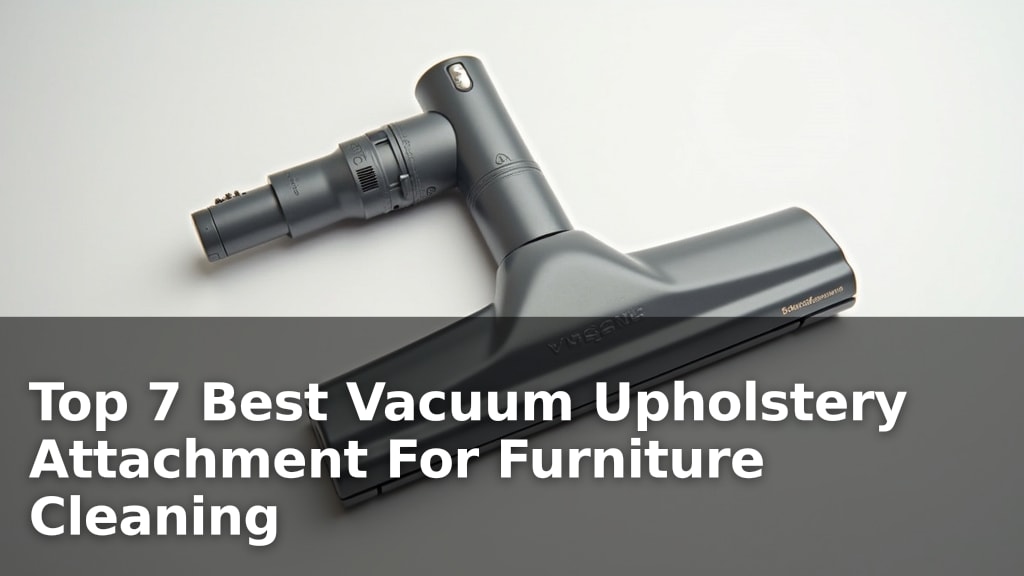
The right tools make all the difference. An upholstery tool is a must-have, with its wide, flat head designed to glide over fabric surfaces. A crevice tool is also vital for getting into those tight spots and seams.
Prepare Your Mattress for Cleaning
Strip your bed completely. Remove all sheets, pillowcases, mattress protectors, and blankets. If you have a mattress topper, remove that too. This gives you clear access to the entire mattress surface.
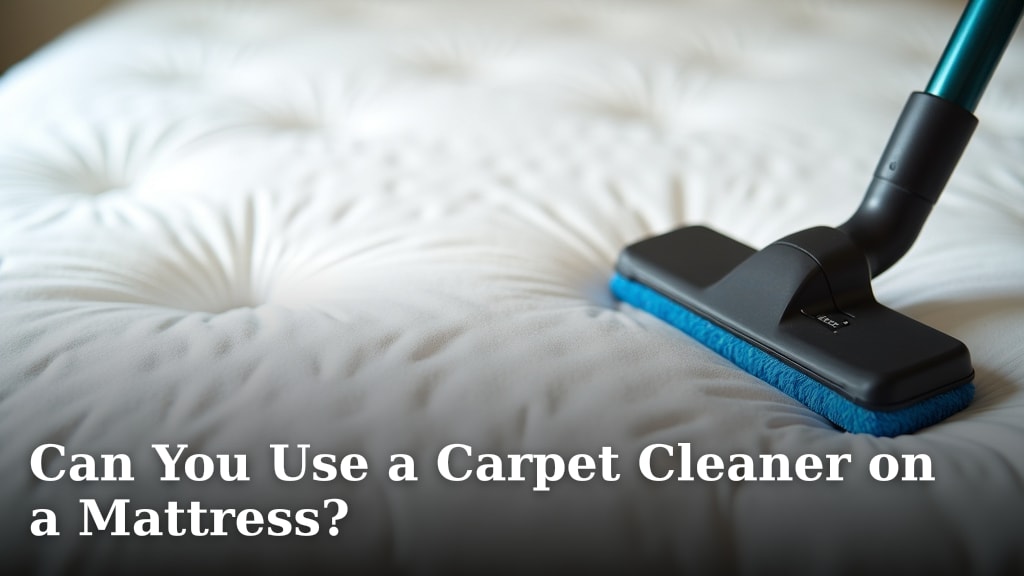
If you notice any visible spills or stains, address those before vacuuming. carpet cleaner on a mattress and can lead to damage or mold.
Consider Baking Soda for Odor Control
Want to give your mattress an extra boost of freshness? We found that sprinkling a light layer of baking soda over the entire mattress surface is incredibly helpful. Let it sit for 15-30 minutes, or even a few hours, to absorb odors. Then, vacuum it up.
The Vacuuming Process: Step-by-Step
Now, let’s get down to business. Vacuuming a mattress isn’t complicated, but following a good technique ensures you get the deepest clean possible. You’ll be surprised by what your vacuum picks up!
Using the Upholstery Tool Effectively
Attach the upholstery tool to your vacuum. Start at one end of the mattress and work your way across. Use slow, overlapping strokes, applying gentle pressure. Think of it like mowing a lawn; you want to cover every inch.
Many experts advise working in sections to ensure you don’t miss any spots. This methodical approach helps to lift deeply embedded dust and debris.
Focusing on Crevices and Sides
Once you’ve covered the main surface, switch to the crevice tool. This slender attachment is perfect for running along the seams, edges, and tufts of your mattress. Dust and crumbs love to hide in these narrow spaces.
Don’t forget the sides of the mattress! Dust settles there too. Give them a good once-over with the upholstery tool or crevice tool, depending on their design.
Flipping and Repeating the Process
If your mattress is flippable, now is the time to turn it over. Repeat the entire vacuuming process on the other side. This ensures a comprehensive clean. Even if it’s not flippable, rotate it 180 degrees if possible, to wear it evenly over time.
Regular Cleaning Schedule for Mattresses
How often should you do this? Many sources, including bedding specialists, recommend vacuuming your mattress every one to three months. However, if you have allergies, pets, or live in a dusty environment, you might consider doing it more frequently, perhaps once a month.
| Frequency | Recommendation | Considerations |
|---|---|---|
| Every 1-3 Months | Standard Cleaning | General maintenance for most households. |
| Monthly | Enhanced Cleaning | Ideal for allergy sufferers, pet owners, or dusty areas. |
| As Needed | Spot Treatment | For spills or specific concerns, before vacuuming. |
What About Allergies? A Deeper Clean
If allergies are a major concern, regular mattress vacuuming is especially important. Research often connects common allergens like dust mites to respiratory issues (NIH). Consider using a HEPA-filtered vacuum, which traps tiny particles and prevents them from recirculating into the air.
Choosing the Right Vacuum Cleaner Type for Mattresses
Not all vacuums are created equal when it comes to mattress cleaning. While most standard vacuums can do the job, some features make it much easier and more effective.
- Handheld Vacuums: Convenient for quick clean-ups, but often lack the power for a deep clean.
- Canister Vacuums: Excellent suction and very maneuverable with various attachments. They are often a top choice.
- Upright Vacuums: Good power, but can be bulky. Make sure they have a good hose and attachment system.
- Robot Vacuums: Not suitable for mattresses as they cannot reach the surface or crevices.
Common Mattress Vacuuming Mistakes to Avoid
Even with good intentions, some missteps can reduce the effectiveness of your cleaning. Knowing what to avoid saves you time and effort.
One common mistake is using a dirty vacuum filter or a full dustbin. A clogged filter reduces suction power, making your efforts less effective. Always ensure your vacuum is ready for action before you start.
Another pitfall is skipping the attachments. Relying only on the main vacuum head won’t get into those crucial seams and corners. The attachments are there for a reason; use them!
When Not to Vacuum Your Mattress
Avoid vacuuming if your mattress is wet or damp, as this can push moisture deeper into the mattress, potentially causing mold or mildew. Address spills with a targeted cleaning method first, letting the area dry completely before vacuuming.
Your Mattress Cleaning Checklist
Here’s a quick reminder to keep your mattress cleaning on track:
- Remove all bedding.
- Sprinkle baking soda (optional, but recommended).
- Use an upholstery attachment.
- Vacuum in slow, overlapping strokes.
- Switch to a crevice tool for edges and seams.
- Flip or rotate the mattress and repeat.
- Ensure your vacuum filter is clean.
Conclusion
Vacuuming your mattress is a simple, yet impactful habit that contributes significantly to a cleaner, healthier home. By regularly removing dust, allergens, and debris, you’re not just cleaning; you’re investing in better sleep and a more comfortable living environment. So, grab your vacuum and give your mattress the attention it deserves – you’ll feel the difference!
Frequently Asked Questions
How often should I vacuum my mattress?
We recommend vacuuming your mattress every one to three months for general maintenance. If you have allergies, pets, or asthma, consider increasing this to monthly for optimal allergen reduction.
Can I use any vacuum cleaner to clean my mattress?
Most standard vacuum cleaners with strong suction will work. The most important factor is having the right attachments, specifically an upholstery tool and a crevice tool, to properly clean the surface and edges.
Should I wet my mattress before vacuuming?
No, you should never vacuum a wet or damp mattress. Moisture can get trapped inside, leading to mold, mildew, and odors. Always ensure your mattress is completely dry before vacuuming.
Does vacuuming really remove dust mites from a mattress?
While vacuuming doesn’t eliminate all dust mites, it significantly reduces their numbers and removes their droppings, which are the primary allergen. Using a HEPA-filtered vacuum can further improve results by trapping tiny allergens.
What should I do if my mattress has stains?
Address stains with a targeted spot cleaning method before vacuuming. Use a mild fabric cleaner designed for upholstery and dab the stain. Allow the area to dry completely, perhaps with the aid of a fan, before proceeding with vacuuming.