How To Clean Carpet With Vacuum Cleaner?
To effectively clean carpet with a vacuum cleaner, begin by removing any large debris, loose items, and pretreating visible stains before you even power on the machine. If you do not have a vacuum, try these carpet cleaning methods without one.
Then, use a methodical, overlapping vacuuming pattern, moving slowly to give the vacuum cleaner enough time to pick up deeply embedded dirt and dust from your carpet fibers.
TL;DR: Here’s the quick guide to spotless carpets:
- Always prepare your carpet by decluttering and treating stains first.
- Choose the right vacuum settings for your carpet type to avoid damage.
- Vacuum slowly using an overlapping pattern for a deep clean.
- Don’t forget to vacuum edges and corners with appropriate attachments.
- Maintain your vacuum by emptying the canister or bag regularly.
How To Clean Carpet With Vacuum Cleaner?
Cleaning your carpet with a vacuum cleaner is simpler than you think when you follow a few smart steps.
You can achieve a truly deep clean by preparing your space and using proper vacuuming techniques.
Why Regular Vacuuming Matters for Your Carpet
Think of your carpet as a giant filter for your home. It traps dust, allergens, and tiny bits of grime.
Regular vacuuming isn’t just for looks; it helps maintain better indoor air quality, too (Environmental Protection Agency).
Plus, it extends the life of your carpet by preventing dirt from grinding down the fibers.
Choosing the Right Vacuum Cleaner for the Job
Picking the correct vacuum is your first big step. There are many options, each with its own perks. For outdoor turf, see whether vacuuming artificial grass is suitable.
Do you have thick shag carpet or low-pile rugs? Your vacuum choice makes a real difference.
Types of Vacuum Cleaners
We found that different vacuum types excel at various tasks and carpet styles.
- Upright Vacuums: Excellent for general carpet cleaning, often with powerful brush rolls.
- Canister Vacuums: Great for hard floors and delicate rugs, with versatile attachments.
- Stick Vacuums: Lightweight and cordless, ideal for quick clean-ups and small areas.
- Robot Vacuums: Provide daily maintenance without you lifting a finger, perfect for busy homes.
Preparing Your Carpet for a Deep Vacuum Clean
Before you even plug in your vacuum, a little preparation goes a long way. It’s like setting the stage for a great performance.
This initial effort makes your vacuuming much more effective, saving you time and effort later.
Declutter and Clear the Floor
Take a quick survey of your room. Are there toys, shoes, or small objects on the carpet?
Remove everything loose that your vacuum might accidentally swallow. This prevents damage to your vacuum and lost items.
It also gives you a clear path to vacuum every inch thoroughly.
Pre-Treat Visible Stains
Vacuuming over a stain won’t make it disappear; it might even push it deeper.
Instead, use an appropriate carpet cleaner for any fresh spots or old marks you notice. For area rugs, compare carpet cleaners made for rugs. Always blot, never rub. If you want one machine for both jobs, see our guide to vacuum and carpet cleaner combos.
Let the treated area dry before vacuuming, as per the product instructions.
The Step-by-Step Guide to Vacuuming Your Carpet
Now, let’s get down to the actual vacuuming. It’s not just pushing the machine back and forth.
There’s a method that helps you achieve the cleanest results, lifting all that hidden grime.
Adjusting Your Vacuum Settings
Many vacuums have adjustable height settings for different carpet types. This is a very important feature.
Setting it too high won’t clean effectively, while too low can make it hard to push and possibly damage your carpet.
| Carpet Type | Recommended Vacuum Setting | Tips for Best Clean |
|---|---|---|
| Low-Pile/Berber | Low to medium setting | Brush roll can be more aggressive. |
| Medium-Pile/Plush | Medium setting | Good balance of suction and brush action. |
| High-Pile/Shag | High setting | May need to turn off brush roll to prevent tangling. |
| Delicate/Oriental | Highest setting, or suction only | Use attachments carefully to protect fibers. |
Mastering the Vacuuming Technique
Start at one end of the room and work your way across. Think of it like mowing a lawn, with neat rows.
Move your vacuum in slow, overlapping passes. Don’t rush! This gives the suction and brush roll time to do their job.
Many experts say to vacuum in two directions for extra thoroughness (Good Housekeeping Institute).
Focus on High-Traffic Areas
Areas like hallways, entryways, and around furniture get the most foot traffic. They collect more dirt.
Spend extra time here, maybe even making a few more passes than you would in other spots.
This focused attention helps prevent dirt from embedding too deeply and causing premature wear.
Don’t Forget the Edges and Corners
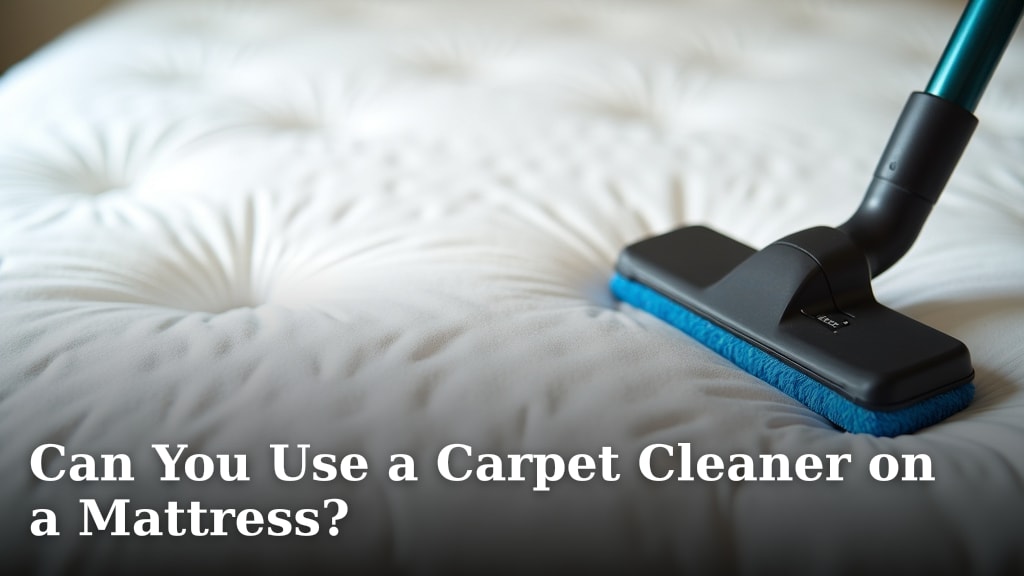
The main vacuum head can’t always reach every nook and cranny. These attachments can also help when you clean a mattress with a vacuum. That’s where your attachments shine.
Ignoring these spots allows dirt to build up, making your room look less clean overall.
Using Vacuum Attachments Wisely
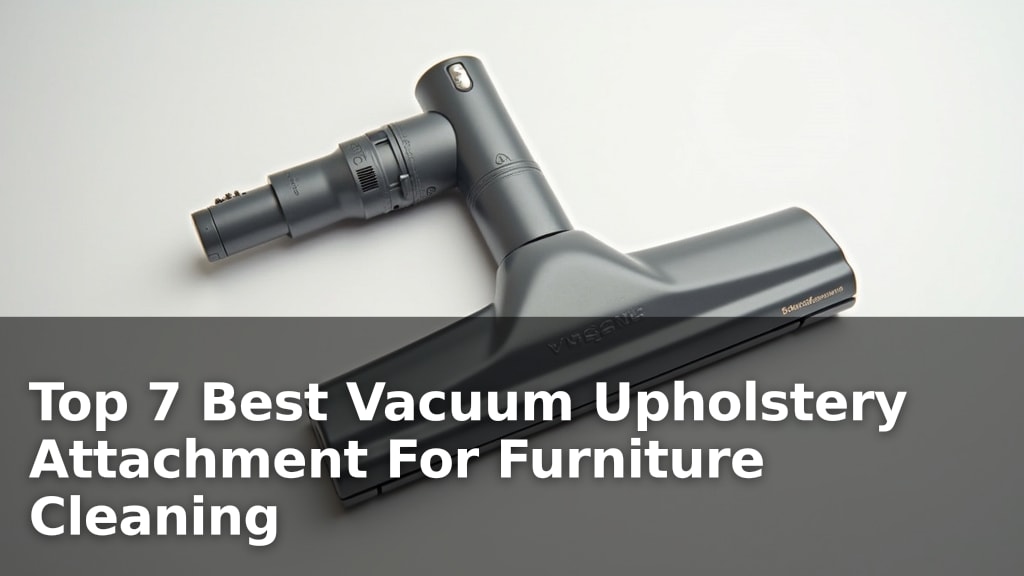
Your vacuum usually comes with a crevice tool and an upholstery brush. An upholstery brush is also useful when you clean a sofa with a vacuum. These are your secret weapons.
Use the crevice tool for tight spaces along baseboards and between furniture cushions. The upholstery tool is great for stairs and furniture.
Many people overlook these tools, but they make a huge difference in a truly clean home.
Maintaining Your Vacuum Cleaner for Peak Performance
A well-maintained vacuum is a happy, effective vacuum. Keeping the hose clear can help maintain suction; see how to clean a vacuum hose. Neglecting it can lead to weaker suction and shorter lifespan.
Think of it as giving a little love back to the machine that keeps your home sparkling.
Emptying the Dust Bin or Changing the Bag
This seems obvious, right? But many of us let it get too full. A full dust bin or bag severely reduces suction power. If you use a bagless model, learn how to clean its vacuum canister.
Aim to empty it after every use or when it’s about two-thirds full. For bags, change them when they feel firm.
You’ll notice a big difference in your vacuum’s performance.
Cleaning the Brush Roll
Hair, string, and carpet fibers often get tangled around the brush roll. This makes it less effective at agitating dirt.
Carefully cut away any tangled debris with scissors, making sure the brush can spin freely.
Some experts recommend doing this monthly, or whenever you notice reduced performance.
Checking and Cleaning Filters
Most modern vacuums have washable or replaceable filters. These trap fine dust and allergens.
Check your manual for specific instructions, but generally, washable filters can be rinsed and air-dried.
Replace disposable filters as recommended by the manufacturer to keep your air clean and suction strong.
Troubleshooting Common Vacuuming Problems
Sometimes, things don’t go as planned. Don’t worry, many issues have simple fixes.
It’s often a small blockage or a filter that needs attention, not a major repair.
When Suction Power Seems Low
First, check if the dust bin is full or the bag needs changing. This is the most common culprit.
Next, inspect the hose for any blockages; sometimes a sock or toy gets stuck. Check the filters too.
If all else fails, the brush roll might be jammed or worn out, needing a clean or replacement.
Carpet Still Looks Dirty After Vacuuming
If your carpet isn’t coming clean, you might be vacuuming too fast or your settings are incorrect.
Try slowing down your passes and ensure your vacuum’s height setting is appropriate for your carpet type. Also, check the brush roll for tangles.
If stains remain, spot treat them again. Sometimes, deeply embedded dirt just needs more time.
Your Carpet Cleaning Checklist
Here’s a simple checklist to ensure you hit all the important steps for a sparkling clean carpet:
- Remove all small objects and furniture from the carpet area.
- Treat any visible stains with an appropriate carpet cleaner.
- Adjust your vacuum’s height setting to match your carpet type.
- Vacuum slowly in overlapping passes, tackling high-traffic spots thoroughly.
- Use attachments to clean edges, corners, and stairs.
- Empty the dust bin or change the vacuum bag.
- Check and clean the brush roll and filters regularly.
Conclusion
Cleaning your carpet with a vacuum cleaner is more than just a chore; it’s an investment in your home’s cleanliness and your carpet’s longevity.
By following these simple, practical steps—from preparing your space to choosing the right settings and maintaining your machine—you can achieve results that genuinely make a difference.
You’re not just moving dirt around; you’re truly removing it, keeping your home fresher and healthier. So go ahead, give your carpets the thorough clean they deserve!
FAQs About Vacuuming Carpets
How often should I vacuum my carpets?
For average households, we found that vacuuming at least once or twice a week is ideal. If you have pets, children, or high foot traffic, you might want to vacuum daily in high-use areas to manage dirt and pet hair effectively.
Can vacuuming too often damage my carpet?
No, generally not. Regular vacuuming with the correct height setting and a well-maintained vacuum actually helps preserve your carpet fibers by removing abrasive dirt particles. However, using an overly aggressive brush roll on delicate carpets can cause wear over time.
Is it better to vacuum fast or slow?
It is always better to vacuum slowly. Moving the vacuum slowly allows the brush roll and suction to work effectively, lifting and capturing more embedded dirt, dust, and debris from deep within the carpet fibers. Fast vacuuming often misses much of the grime.
Should I vacuum with or against the carpet nap?
For the best clean, many experts suggest vacuuming in both directions. Start by vacuuming against the nap to lift the fibers and loosen embedded dirt. Then, make a final pass with the nap to smooth the fibers and give your carpet a neat appearance.
What’s the best way to clean pet hair from carpets?
For stubborn pet hair, start by making several slow, overlapping passes with your vacuum. Consider using a vacuum specifically designed for pet hair, which often has stronger suction and specialized brush rolls. A rubber broom or squeegee can also help loosen hair before vacuuming.