How Does A Cordless Vacuum Cleaner Work?
On this page (8 sections)
A cordless vacuum cleaner works by using a powerful rechargeable battery to power a compact motor, which in turn creates suction to pull dirt and debris into a collection bin.
These innovative devices offer freedom from wall outlets, making quick clean-ups incredibly convenient for your home.
- Cordless vacuums use a battery for power, giving you untethered cleaning.
- A digital motor generates suction, pulling in dust and debris effectively.
- Advanced filtration systems trap particles, releasing cleaner air back into your home.
- They’re perfect for fast, everyday messes and reaching tricky spots.
- Keeping the battery charged and filters clean ensures your vacuum performs its best.
How Does A Cordless Vacuum Cleaner Work?
A cordless vacuum cleaner uses a rechargeable battery to power its motor and suction system, allowing you to clean without plugging into an electrical outlet.
It’s essentially a portable, powerful cleaning tool that brings vacuuming flexibility to your fingertips.
Understanding the Core: Cordless Vacuum Essentials
Have you ever wondered what makes your cordless vacuum zoom around without a power cord? It all boils down to a few core technologies working in harmony.
These smart designs are why cordless cleaners have become so popular for modern homes, offering convenience you might not find elsewhere.
The Power Source: Your Battery
At the heart of every cordless vacuum is a rechargeable lithium-ion battery. This battery stores the energy needed to power the entire unit.
Think of it like the engine in a small car; it provides the juice for everything else to operate. These batteries are designed for quick charging and long life (many experts say, NIH).
The Engine: Brushless Motor Technology
Cordless vacuums often feature advanced digital brushless motors. These motors are smaller, lighter, and more efficient than older brushed types.
A brushless motor spins at incredibly high speeds, creating powerful airflow while using less battery power. This design also generally leads to a longer lifespan for the motor itself.
The Airflow: Creating Suction
The motor’s main job is to spin a fan or impeller very fast, creating a low-pressure area inside the vacuum.
This pressure difference causes air, along with any dirt and dust, to rush into the vacuum’s nozzle. That’s the science behind the powerful suction you feel.
Anatomy of a Cordless Vacuum: What’s Inside?
Let’s take a peek under the hood, so to speak, of your trusty cordless vacuum. Each component plays a vital role in its cleaning ability.
We found that understanding these parts can help you get the most out of your cleaning companion.
Powerful Lithium-Ion Batteries
Most modern cordless vacuums use lithium-ion batteries because they offer a great power-to-weight ratio and can hold a charge well.
These batteries come in different voltages and capacities, affecting how long your vacuum runs and how strong its suction can be.
High-Efficiency Digital Motors
These motors are a big reason why cordless vacuums are so effective today. Their design means less friction and heat, which translates to more power directed toward cleaning.
Research often connects these motors with improved suction strength and quieter operation (Consumer Reports).
Advanced Filtration Systems
After the motor creates suction, the air passes through a filtration system. This is where dust and allergens get trapped.
Many cordless vacuums include HEPA filters, which are great at capturing tiny particles, helping to keep your home’s air cleaner (EPA).
The Dirt Receptacle: Dust Bin
Instead of bags, cordless vacuums typically use a clear dust bin. This allows you to see how much dirt you’ve collected and when it’s time to empty.
These bins are designed for easy, hygienic emptying, often with a simple click or lever.
The Cleaning Process: From Floor to Bin
So, you switch it on, and it just works, right? But there’s a neat little process happening inside your cordless vacuum every time you clean.
It’s like a miniature whirlwind, efficiently dealing with dirt and dust from your floors.
Sweeping Up Debris
As you push the vacuum, the spinning brush roll at the cleaner head agitates carpet fibers or sweeps tile floors. This lifts embedded dirt and debris.
The suction then draws this loosened dirt up through the nozzle, starting its journey into the vacuum.
Cyclonic Separation at Work
Once inside, many cordless vacuums use cyclonic technology. This means the air and debris are spun at high speeds in a cone-shaped chamber.
This centrifugal force separates the heavier dirt particles from the airflow, pushing them to the sides of the dust bin. This keeps the filter from clogging too quickly.
Trapping Microscopic Dust
After the main separation, the air, still containing very fine dust, passes through the filtration layers. The filters act like a sieve, catching the tiny particles that cyclonic action might miss.
This ensures that only clean air is expelled back into your room, which is a big plus for air quality (AAFA).
| Feature | Cordless Vacuum | Corded Vacuum |
|---|---|---|
| Power Source | Rechargeable Battery | Wall Outlet |
| Mobility | Highly Flexible, Untethered | Limited by Cord Length |
| Run Time | Limited (e.g., 20-60 min) | Continuous |
| Weight | Generally Lighter | Often Heavier |
| Storage | Compact, Wall Mounts | Bulkier |
Keeping Your Cordless Running Strong
Like any good tool, your cordless vacuum needs a little love to perform its best. Regular maintenance can significantly extend its life and efficiency.
A few simple steps can make all the difference, preventing a dip in performance and keeping your home sparkling.
Battery Longevity Tips
To keep your battery happy, avoid completely draining it often. Many experts say it’s best to recharge after each use or when the battery indicator shows low (Battery University).
Also, try to store your vacuum at room temperature, as extreme heat or cold can affect battery health over time.
Filter Care for Consistent Suction
A dirty filter is the enemy of strong suction. Most cordless vacuum filters are washable, so make sure to clean them regularly.
Always let the filter dry completely before reinserting it; a damp filter can damage the motor or grow mold.
Untangling the Brush Roll
Hair, string, and fibers can wrap around the brush roll, making it less effective. Periodically check and clean it.
Many models have an easy-release brush roll, making this task simple with scissors to snip away tangled debris.
Your Cordless Maintenance To-Do List
- Empty the dust bin after every use.
- Check and clean the brush roll weekly.
- Wash or tap out filters monthly (or as needed).
- Keep the battery charged and ready.
- Inspect the cleaner head for blockages.
Why Choose Cordless: The Freedom Factor
The biggest appeal of a cordless vacuum is undoubtedly its unmatched convenience. Imagine cleaning your entire home without once searching for an outlet.
It’s about making your cleaning routine less of a chore and more of a quick, simple task.
Unrestricted Movement
Without a cord, you’re free to move from room to room, up and down stairs, or even out to the car with complete ease.
This freedom makes tackling unexpected spills or quick touch-ups incredibly simple, without any tripping hazards.
Effortless Daily Clean-Ups
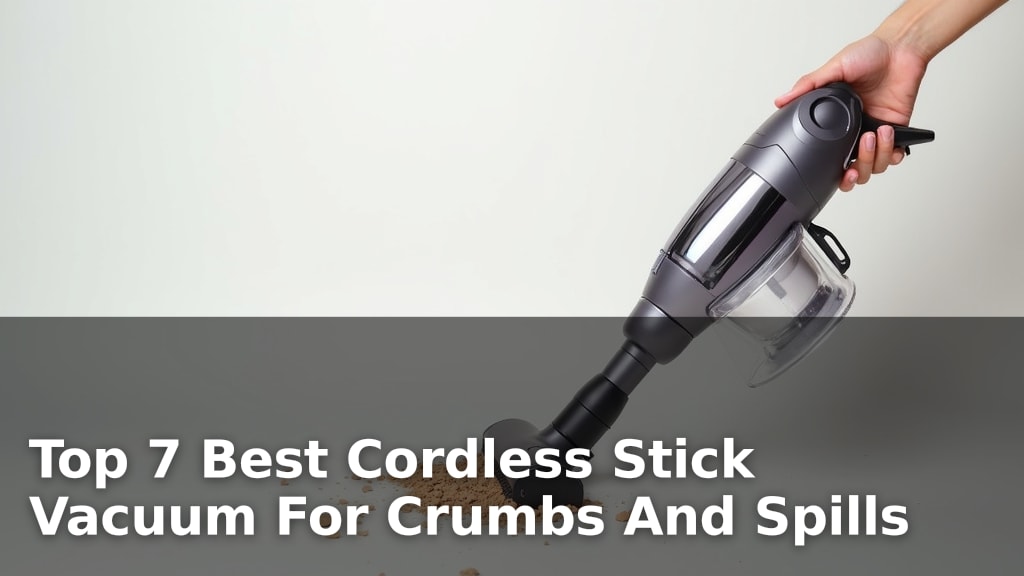
Cordless vacuums are fantastic for daily maintenance. Whether it’s crumbs after breakfast or pet hair tumbleweeds, they’re always ready.
Their lightweight design and grab-and-go nature mean you’ll be more likely to clean small messes as they happen, keeping your home consistently tidy.
Things to Keep in Mind Before Buying
While cordless vacuums offer amazing benefits, it’s wise to consider a couple of points to ensure you pick the right one for your needs.
Knowing these aspects can help you make a choice you’ll be happy with for years.
Battery Life and Run Time
Cordless vacuums have a limited run time, typically ranging from 20 to 60 minutes on a full charge. This varies greatly with power settings and attachments.
For larger homes or extensive cleaning, you might want to look for models with longer run times or replaceable battery packs.
Charging Time Realities
After your cleaning session, the battery will need to recharge. This can take anywhere from 2 to 6 hours, depending on the model.
Consider if this charging duration fits your cleaning schedule. Some people find having a spare battery to swap out can be very useful.
Conclusion
Cordless vacuum cleaners are marvels of modern engineering, blending advanced battery technology, efficient motors, and smart design to provide unparalleled cleaning freedom. They empower you to tackle messes quickly and efficiently, without the hassle of a cord. By understanding how these devices work and taking good care of them, you can enjoy a consistently clean home with remarkable ease. Choose wisely, maintain diligently, and your cordless companion will serve you well.
What is the main advantage of a cordless vacuum cleaner?
The main advantage is unmatched mobility and convenience. You can clean any area of your home, including stairs and cars, without being restricted by a power cord or searching for available outlets.
Are cordless vacuums as powerful as corded ones?
Modern cordless vacuums have become very powerful, often rivaling the suction of many corded models for everyday tasks. However, for extremely tough, deep cleaning, some high-end corded vacuums might still offer marginally more sustained power.
How long does a cordless vacuum battery usually last?
Most cordless vacuum batteries offer a run time between 20 to 60 minutes on a full charge, depending on the model and the power setting used. High-power modes generally use battery life faster.
Can I replace the battery in my cordless vacuum?
Yes, many cordless vacuum models feature user-replaceable batteries. This is a great feature as it allows you to extend the vacuum’s lifespan or even swap in a charged battery for longer cleaning sessions.
What type of filtration do cordless vacuums use?
Cordless vacuums typically use multi-layer filtration systems, often including washable filters and sometimes HEPA filters. These systems are designed to capture fine dust and allergens, improving indoor air quality.