Would A Vacuum Cleaner Work In Space?
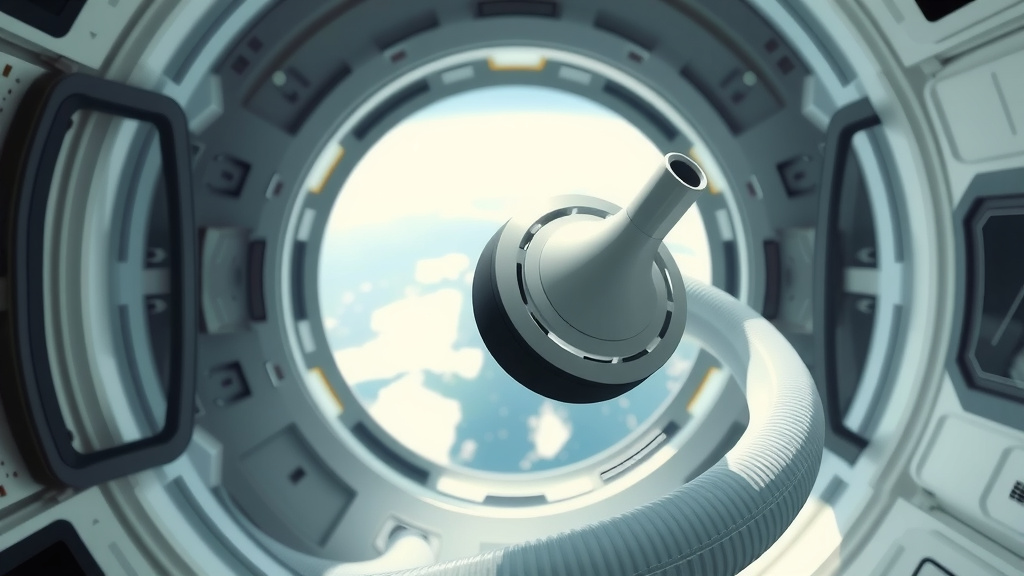
No, a standard vacuum cleaner would not work in the vacuum of space because it relies on air pressure differences to create suction, which is absent in a zero-atmosphere environment.
In space, without surrounding air, there is nothing for the vacuum cleaner to “push” air out against to create the necessary differential pressure for suction.
Here’s a quick look at why your trusty home vacuum wouldn’t make the cut in orbit:
- Traditional vacuums need air pressure to work.
- Space lacks this essential atmospheric pressure.
- Zero gravity complicates dust collection significantly.
- Powering and maintaining such a device in space poses unique hurdles.
- Astronauts use specialized methods, not conventional vacuums.
Would A Vacuum Cleaner Work In Space?
In short, your familiar vacuum cleaner would be pretty useless beyond Earth’s atmosphere. It simply isn’t designed for such extreme conditions.
The Earthly Vacuum Cleaner: A Quick Refresher
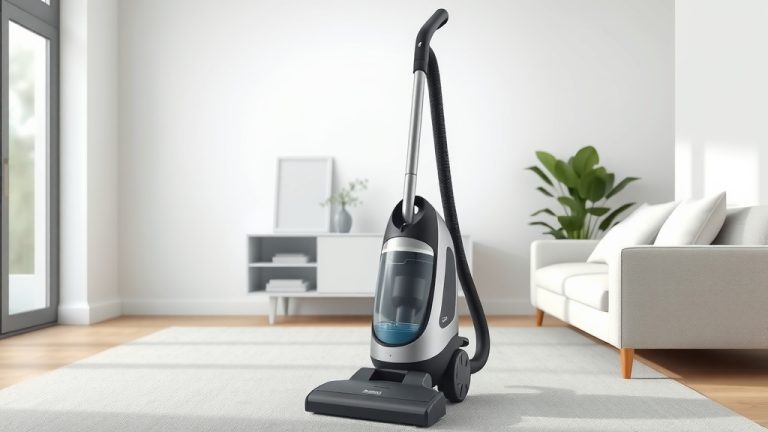
Think about how your vacuum works at home. It has a fan that creates a low-pressure area inside. The higher outside air pressure then pushes dirt and air into the nozzle and bag or canister. It’s a clever bit of engineering, right?
Understanding How Suction Works
Many experts explain that a vacuum cleaner doesn’t actually “suck” things up. Instead, it relies on the pressure of the air around it. The fan creates a partial vacuum inside, and the surrounding air then pushes dust and debris into this lower-pressure area (NASA).
The Fundamental Problem: No Atmosphere in Space
The biggest hurdle for a vacuum in space is the absolute lack of atmosphere. Space is a near-perfect vacuum itself. There’s virtually no air pressure to create that essential push.
The Role of Air Pressure
We found that without external air pressure, the core mechanism of a conventional vacuum cleaner fails. It would simply spin its motor without drawing anything in. Imagine trying to use a straw in a void – it just wouldn’t work.
Beyond Suction: Other Space Challenges
Even if you somehow created localized suction, a space vacuum would face other massive challenges. We are talking about everything from power sources to dust management.
Powering a Vacuum in Orbit
Most home vacuums are corded or battery-powered. In space, power is precious. Running a powerful motor for cleaning would demand significant energy, often sourced from solar panels or fuel cells, which have limitations (ESA).
Dust Management in Zero-G
On Earth, gravity helps dust settle and fall into the vacuum bag. In zero gravity, dust particles would simply float freely everywhere. This could quickly become a health hazard for astronauts and damage sensitive equipment. It’s a fascinating, but messy, thought.
Comparing Earth and Space Cleaning Needs
Let’s look at how cleaning challenges differ between your living room and a spaceship:
| Feature | Earth Vacuuming | Space Cleaning |
|---|---|---|
| Suction Method | Air pressure differential | Not applicable (no atmosphere) |
| Gravity’s Role | Helps dust settle and collect | Dust floats freely (zero-G) |
| Power Source | Wall outlet, battery | Limited spacecraft power |
| Dust Disposal | Empty into trash | Contained, filtered, careful disposal |
What Do Astronauts Use for Cleaning?
You might wonder then, how do astronauts keep things clean on the International Space Station (ISS)? They certainly have dust and debris, just like us!
Specialized Space Cleaning Methods
We found that astronauts use specially designed, HEPA-filtered handheld vacuums within the pressurized environment of the ISS. These are closed-loop systems, meaning they don’t expel air directly into space. They also use wipes and specialized lint rollers to capture floating particles (NASA).
These aren’t like your typical upright or canister vacuum. They are smaller, designed for containment and efficiency in a sealed environment.
Could We Design a “Space Vacuum”?
This is a fun thought experiment! If we were to design a vacuum cleaner specifically for the vacuum of space, it would look very different from what we know. It would need to create its own localized environment.
Key Features for a Space-Ready Cleaner
Designing a vacuum for the exterior of a spacecraft or in deep space would be a huge challenge. Here are some thoughts on what it might need:
- Self-Contained System: It would need to create its own internal pressure differential without relying on an external atmosphere.
- Propulsion for Debris: Perhaps a way to actively push or direct floating debris into a capture chamber.
- Robust Filtration: Extremely efficient filters to trap all particles, preventing escape into the surrounding void.
- Durable Materials: Built to withstand extreme temperatures and radiation.
- Waste Compression: A method to compact collected debris into a tiny, manageable size for disposal or storage.
- Independent Power: A self-sufficient and long-lasting power source.
Why This Matters for Your Home Vacuum
Understanding why vacuums won’t work in space helps us appreciate the clever engineering behind them here on Earth. It shows how much we rely on our planet’s atmosphere for simple tasks. It reminds us that your everyday vacuum is perfectly optimized for its intended environment: your home!
Conclusion
Your vacuum cleaner is a marvel of technology for Earth, designed to harness our atmosphere’s pressure differences to keep your home tidy. In the stark, airless expanse of space, however, its fundamental operating principles simply disappear. While astronauts have their own clever cleaning tools for the pressurized confines of the ISS, the idea of using a standard vacuum outside a spacecraft remains firmly in the realm of science fiction. It’s a clear reminder that design follows environment.
Can a Dyson vacuum cleaner work in space?
No, a Dyson vacuum cleaner, like any other traditional vacuum, relies on generating a pressure difference with the surrounding atmosphere to create suction. Since there’s no atmosphere in space, a Dyson would not function outside a pressurized environment.
What would happen if you opened a vacuum cleaner bag in space?
If you opened a vacuum cleaner bag in the vacuum of space, any dust or debris inside would instantly float out and disperse into the void, potentially becoming a hazard to spacecraft or sensitive equipment. There would be no gravity to hold it down.
How do astronauts clean up spills on the International Space Station?
Astronauts typically use absorbent wipes and towels to clean up spills. Liquids behave differently in zero gravity, often forming spheres, so containing them carefully is essential to prevent them from floating freely and potentially damaging electronics.
Are there any “space vacuums” for cleaning debris from orbits?
While there are ongoing research and development efforts for technologies to capture or deorbit space debris (often called “space junk”), these systems are highly specialized and do not resemble a traditional vacuum cleaner in function or design. They might use nets, harpoons, or robotic arms, not suction.
Do space suits have any kind of internal cleaning system?
No, space suits do not have internal cleaning systems like a vacuum cleaner. They are designed for life support, temperature regulation, and protection. Astronauts must ensure they are clean before entering their suits to avoid contaminating the suit’s interior.