How To Fix Vacuum Cleaner Suction?
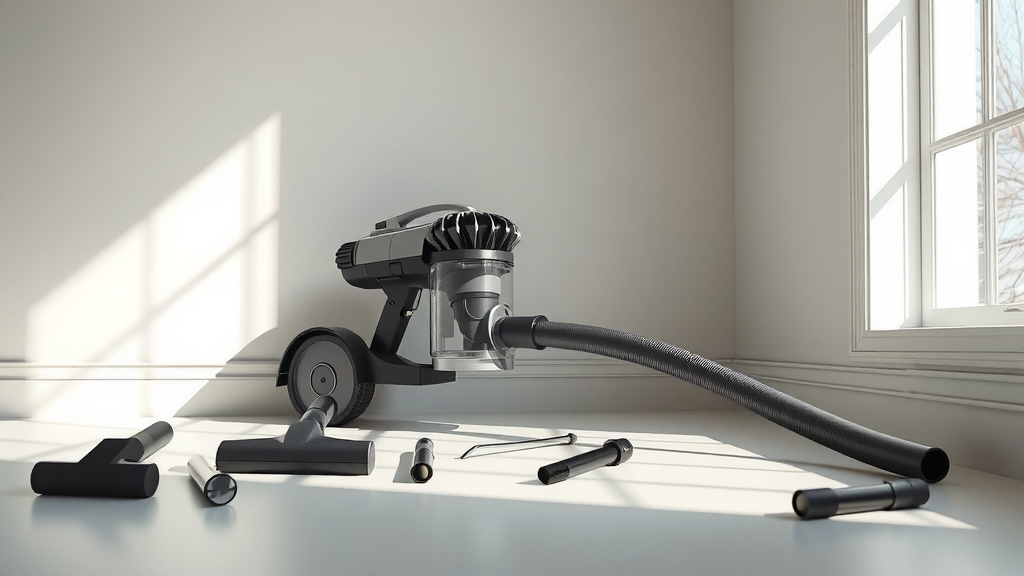
To fix vacuum cleaner suction, start by checking and emptying the dustbin or replacing the bag, then inspect and clean or replace clogged filters. Many experts say these are the most common and easiest solutions to restore your vacuum’s power.
Next, systematically check the hose, brush roll, and any attachments for clogs, as even small blockages can drastically reduce suction. Addressing these steps often brings your vacuum back to full strength quickly.
- Empty your vacuum’s dustbin or replace the bag first.
- Clean or replace your vacuum’s filters regularly.
- Inspect the hose, brush roll, and attachments for any clogs.
- Check the vacuum’s drive belt for wear and tear.
- Look for cracks or leaks in the vacuum’s housing or seals.
How To Fix Vacuum Cleaner Suction?
Losing suction with your vacuum cleaner can be frustrating, can’t it? It feels like you’re pushing dirt around instead of picking it up. But don’t worry, many common suction problems are quite simple to fix yourself.
Why is Your Vacuum Losing Power?
Your vacuum cleaner relies on a strong airflow to pick up dirt and debris. Anything that disrupts this airflow can cause a noticeable drop in suction. We often find that the culprits are usually simple blockages or maintenance issues.
Think of it like trying to breathe with a stuffy nose; it’s just not as effective. Your vacuum experiences something similar when its airflow is restricted.
The Full Dustbin or Bag Dilemma
This is often the first and easiest thing to check. Is your dustbin full to the brim, or is your vacuum bag overflowing? A packed container leaves no room for air, drastically reducing suction.
Simply empty the dustbin or replace the bag. You might be surprised how much power returns immediately. It’s a quick win, and often the solution we overlook first.
Check the Filters: A Hidden Suction Killer
Vacuum filters are vital for trapping dust and allergens, keeping them out of your air. However, clogged filters are a leading cause of poor suction.
Over time, fine dust can build up on these filters, creating a barrier that air struggles to pass through. Regular cleaning or replacement is key.
Different Filter Types, Different Care
Not all vacuum filters are the same, and they require different care. Knowing your filter type helps you maintain them properly. Many experts recommend following your vacuum’s specific manual for care instructions.
| Filter Type | Maintenance | Frequency (Approx.) |
|---|---|---|
| HEPA Filter | Often washable or replaceable | Every 6-12 months (replace) |
| Foam Filter | Washable with water, air dry | Every 1-3 months (clean) |
| Pleated Filter | Tap clean, sometimes washable | Every 1-3 months (clean) |
Always ensure washable filters are completely dry before putting them back in. A damp filter can damage the vacuum’s motor.
Clogs: The Arch Nemesis of Suction
Clogs are perhaps the most common reason for a sudden loss of suction. They act like dams in a river, blocking the flow entirely. Finding and clearing them is a critical step in troubleshooting.
We’ve found that hair, pet fur, strings, and even small toys are frequent culprits. Be systematic in your search.
Inspecting the Hose for Obstructions
Your vacuum’s hose is a prime spot for clogs. Detach it from both ends of the vacuum cleaner. Shine a flashlight through one end and look for any blockages.
If you see something, try to dislodge it carefully with a broom handle or a long, blunt object. Never use anything sharp that could pierce the hose.
Clearing the Brush Roll and Nozzle
Flip your vacuum over and examine the brush roll (also called the beater bar). Long hair and threads often wrap around it, preventing it from spinning effectively and restricting airflow to the nozzle.
Use scissors or a seam ripper to carefully cut away tangled hair and debris. Also, check the opening of the nozzle itself for any larger items caught there.
Don’t Forget the Wand and Attachments
Sometimes, the clog isn’t in the main unit but in the extended wand or an accessory you’re using. Disconnect all attachments and check each piece individually.
A small blockage in a crevice tool can be surprisingly effective at killing suction for the whole unit. We’ve seen it many times!
The Belt: A Silent Saboteur
For many upright vacuum cleaners, a rubber belt connects the motor to the brush roll, making it spin. If this belt is broken, stretched, or worn out, the brush roll won’t turn.
While a broken belt won’t directly affect the motor’s suction, it means the vacuum isn’t agitating dirt from your carpet. This makes it seem like the vacuum isn’t picking up.
Many experts say replacing a worn belt can significantly improve cleaning performance on carpets (Consumer Reports). Check your vacuum’s manual for how to inspect and replace the belt.
Seal the Deal: Cracks and Leaks
A vacuum cleaner relies on an airtight system to create strong suction. If there are any cracks in the housing, loose connections, or worn-out gaskets (seals), air can escape. This loss of airtightness directly leads to reduced suction power.
Carefully inspect all parts of your vacuum for any visible damage or loose-fitting components. Pay close attention to where the hose connects to the main unit.
What About Motor Issues?
Motor problems are less common for a simple loss of suction unless the motor sounds different or the vacuum doesn’t turn on at all. If you’ve tried all the above steps and your vacuum still has no power, it might be a motor issue.
At this point, it’s generally best to consider professional repair or replacement. Attempting to fix a motor yourself without experience can be risky.
Prevention is Key: Keeping Suction Strong
Regular maintenance can prevent most suction issues before they start. Treating your vacuum cleaner with a little care goes a long way. Think of it as a small investment in its longevity and performance.
Quick Suction Check-up Checklist
- Empty the dustbin after every few uses.
- Clean or tap out your filters regularly (monthly for washable, as needed for others).
- Visually inspect the hose and brush roll for tangles before each use.
- Cut away hair from the brush roll as soon as you notice buildup.
- Avoid vacuuming large debris or liquids that could cause clogs or damage.
When to Call a Pro?
If you’ve diligently worked through all these troubleshooting steps and your vacuum cleaner still isn’t performing, it might be time to call in the experts. Issues like faulty wiring, advanced motor problems, or complex internal blockages often require specialized tools and knowledge.
A professional repair person can diagnose deeper problems that aren’t visible to the untrained eye. Sometimes, the cost of repair might outweigh the value of an older machine, prompting a decision to replace it.
Conclusion
Restoring your vacuum cleaner’s suction doesn’t have to be a mystery. Most issues stem from simple, preventable problems like full dustbins, clogged filters, or blockages in the system. By taking a systematic approach to troubleshooting, starting with the easiest fixes, you can often bring your trusty cleaning companion back to life.
Remember, a little routine maintenance goes a long way in keeping your vacuum running powerfully. Happy cleaning!
Why does my vacuum cleaner lose suction suddenly?
A sudden loss of suction is most often due to an immediate blockage somewhere in the system, like a sock or a large piece of debris caught in the hose. It could also be from a completely full dustbin or a filter that instantly became clogged with fine dust after a big cleanup.
Can I use water to clean all vacuum filters?
No, not all vacuum filters are washable. Some are designed to be replaced, while others are simply tapped clean. Always check your vacuum cleaner’s user manual to confirm if your specific filter type is washable. Using water on a non-washable filter can cause damage or lead to mold growth.
How often should I check for clogs in my vacuum?
It’s a good idea to perform a quick visual check for clogs whenever you notice a drop in suction or after vacuuming particularly high-traffic or messy areas. For routine maintenance, a thorough check of the hose and brush roll once a month can help prevent major issues.
My vacuum brush roll isn’t spinning, but the suction is fine. What’s wrong?
If your vacuum has good suction but the brush roll isn’t spinning, the most likely culprit is a broken or stretched drive belt. This belt connects the motor to the brush roll, allowing it to agitate carpets. It’s a relatively inexpensive and common part to replace.
Is it worth repairing an old vacuum with low suction?
The decision to repair an old vacuum with low suction depends on the specific problem and the vacuum’s age and value. Simple fixes like clearing clogs or replacing filters are always worthwhile. For more complex issues like motor problems, compare the repair cost to the price of a new vacuum. Many professionals can give you an estimate.