What Is A Good Suction Power For A Vacuum Cleaner?
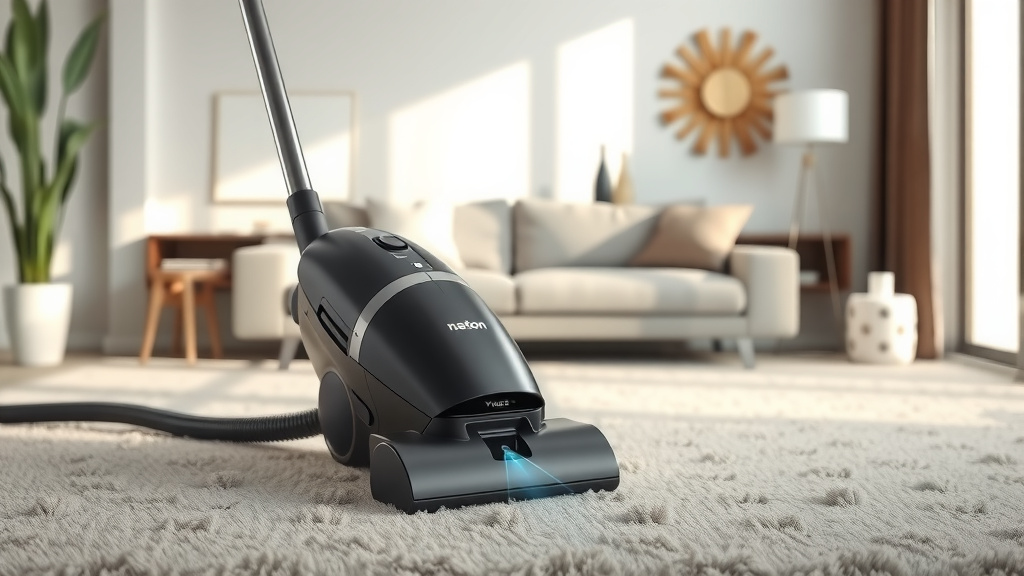
A good suction power for a vacuum cleaner typically ranges from 150 to 250 Air Watts (AW) for most homes, effectively tackling dirt and pet hair. For harder surfaces, you might find vacuums with 100 AW quite effective, while deep-pile carpets and heavy debris often benefit from 200 AW or more.
For a reliable vacuum cleaner, you’re looking for a balance of power and efficiency that matches your home. Here’s a quick overview of what you’ll find in this guide:
- Understanding common suction power measurements like Air Watts and kPa.
- Specific suction recommendations for different floor types and cleaning tasks.
- Factors beyond raw suction power that impact how well your vacuum cleans.
- Practical advice to help you choose the ideal vacuum cleaner for your unique needs.
What Is A Good Suction Power For A Vacuum Cleaner?
Generally, a good suction power for a vacuum cleaner provides enough force to lift various debris without being overkill or underpowered for your home. We found that most homes do well with vacuums offering between 150 and 250 Air Watts, balancing cleaning strength with energy use.
Why Suction Power Truly Matters for Your Clean Home
Think of suction power as the muscle of your vacuum cleaner. It’s what pulls dirt, dust, and debris from your floors and carpets into the machine. Without enough power, stubborn particles might stay put, no matter how many times you pass over them. You want your vacuum to **grab and hold onto dirt**, not just nudge it around.
Demystifying Suction Power Measurements
When you shop for a vacuum, you might see terms like “Air Watts” or “kPa.” These are ways manufacturers try to tell you how powerful their machines are. Understanding these can feel like learning a new language, but we can simplify it for you.
Understanding Air Watts (AW)
Air Watts is a widely accepted measure that combines airflow and suction in one number. It tells you the actual power used to move air and dirt. Many experts agree it’s one of the most useful metrics because it considers both how much air is moved and how strongly it’s pulled. A higher AW generally means **stronger cleaning ability** for your vacuum.
What is Kilopascals (kPa)?
Kilopascals (kPa) specifically measures the static pressure, or how strong the vacuum pull is when there’s no airflow. While it indicates raw pulling strength, it doesn’t always reflect overall cleaning performance. Think of it as how tight the seal is when you block the hose. Higher kPa means **more intense suction** at the nozzle.
What’s the “Good” Number for Your Vacuum?
The “good” number really depends on your specific cleaning challenges. Do you have pets? Deep carpets? Or mostly bare floors? Your needs will guide the ideal suction power you should look for in your vacuum cleaner.
Suction Power for Hard Floors and Low-Pile Carpets
For hard floors like wood, tile, or laminate, you typically don’t need extreme suction. A vacuum with 100-150 Air Watts or around 15-20 kPa often does a fantastic job. These surfaces usually just require enough power to **pick up crumbs and dust** without scattering them.
Tackling Medium to Deep-Pile Carpets
Carpets, especially those with thicker piles, hold onto dirt more tightly. For these, you’ll want a vacuum with more muscle. We found that 150-220 Air Watts or 20-25 kPa provides excellent results. This level of power helps to **lift embedded dirt** and pet dander from deep within the fibers.
Conquering Pet Hair and Stubborn Debris
If you share your home with furry friends, pet hair can be a real challenge. You’ll need robust suction to remove it effectively. Many pet owners find vacuums with 200-250 Air Watts or 25-30 kPa to be the most successful. This higher range ensures your vacuum can **handle dense pet hair** and larger debris without getting clogged.
More Than Just Raw Suction: Other Important Factors
While suction power is vital, it’s not the only piece of the puzzle. A powerful motor can be wasted if other components aren’t up to par. Consider these aspects when choosing your vacuum cleaner:
- Brush Roll Design: A good brush roll, especially one with strong bristles, agitates carpet fibers to loosen dirt, making it easier for the suction to pull it up.
- Filtration System: HEPA filters trap fine dust and allergens, preventing them from being blown back into the air. Good filtration keeps your air cleaner, not just your floors.
- Sealing and Airflow: An airtight system prevents air leaks, ensuring all the suction power is directed to the cleaning head. Efficient airflow means dirt travels smoothly into the bin.
- Attachments and Tools: Specialized nozzles and brushes can greatly improve cleaning efficiency in specific situations, directing suction precisely where needed.
Comparing Suction Needs by Vacuum Type
Different vacuum cleaner types are designed for various purposes, influencing their typical suction power. Here’s a quick look:
| Vacuum Type | Typical Suction (AW) | Best For |
|---|---|---|
| Stick Vacuums | 50 – 180 AW | Quick clean-ups, hard floors, light carpets |
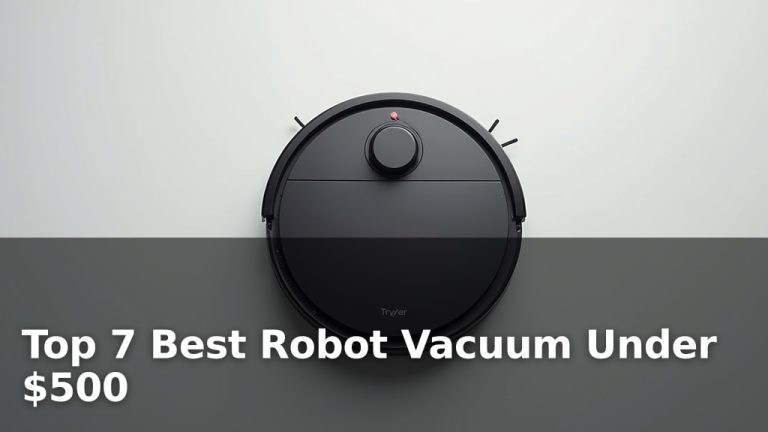
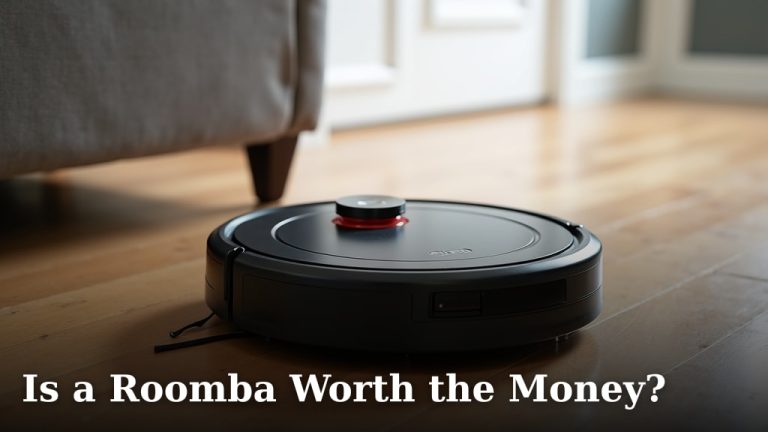
| Robot Vacuums | 20 – 100 AW | Daily maintenance, hard floors |
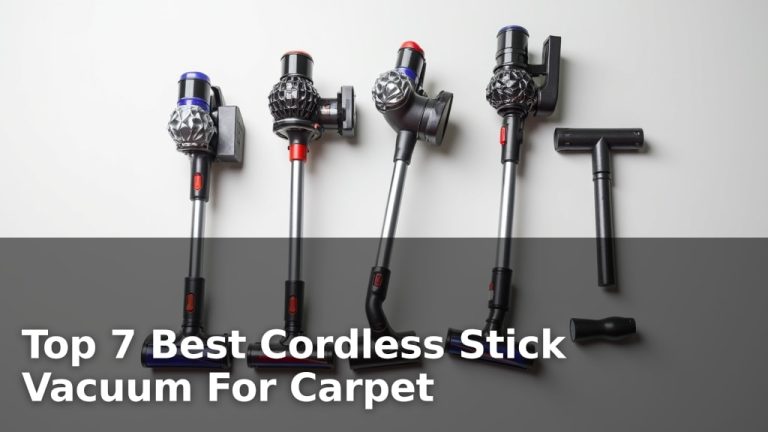
| Upright Vacuums | 150 – 250 AW | Deep carpet cleaning, larger homes |
| Canister Vacuums | 180 – 280 AW | Versatile, stairs, bare floors, carpets |
Maintaining Optimal Suction Power in Your Vacuum Cleaner
Even the best vacuum can lose its cleaning edge if not cared for. Regularly maintaining your vacuum cleaner ensures it always performs at its peak. This means you won’t have to buy a new one prematurely due to poor performance.
Simple Steps to Keep Suction Strong
What can you do to keep your vacuum cleaner’s suction power consistent? It’s often simpler than you think. A little routine maintenance can make a big difference, ensuring your machine lasts longer and cleans better.
- Empty the dust bin or change the bag frequently. A full container restricts airflow.
- Clean or replace filters regularly. Clogged filters dramatically reduce suction.
- Check the brush roll for tangled hair or debris. This can slow it down or stop it.
- Inspect hoses and attachments for blockages. Even small clogs can cause a big drop in power.
- Ensure all seals are tight and secure. Any air leaks will weaken the overall suction.
The Trade-Offs: When More Suction Isn’t Always Better
It might seem like the highest possible suction is always the goal, but that’s not always true. Sometimes, too much power can be counterproductive or cause problems. You might find it hard to push a vacuum with **excessive suction** on thick carpets, making cleaning a struggle. Also, higher suction often means more noise and greater energy consumption.
Your Vacuum Cleaner Checklist: Making the Right Choice
Ready to choose your next vacuum cleaner? Here’s a quick checklist to guide your decision, ensuring you pick one with the right suction power and features for your home:
✓ What floor types do you have most often? (Hardwood, carpet, mixed?)
✓ Do you have pets that shed a lot?
✓ What kind of debris do you typically clean up? (Fine dust, large crumbs, pet hair?)
✓ How large is your home? (Affects vacuum type and run time for cordless models.)
✓ Is noise level a concern for you?
✓ What’s your budget for a new vacuum cleaner?
Conclusion
Finding a good suction power for your vacuum cleaner is about more than just looking for the biggest number. It’s about matching the vacuum’s capabilities to the unique demands of your living space and cleaning habits. By understanding metrics like Air Watts and considering other factors like brush rolls and filtration, you can make an informed decision. Choose a vacuum that offers the right balance of power, efficiency, and features, and you’ll enjoy a genuinely clean home for years to come.
What is a good kPa for a vacuum cleaner?
A good kPa for a vacuum cleaner generally falls between 20-25 kPa for most household cleaning. For lighter tasks on hard floors, 15 kPa can be sufficient, while deep cleaning carpets or dealing with pet hair may benefit from vacuums offering 25-30 kPa, indicating strong static suction.
Is higher Air Watts always better for vacuum cleaners?
Not always. While higher Air Watts usually mean stronger suction, too much power can make a vacuum hard to push on thick carpets or use more energy. The best Air Watt level balances effective cleaning with ease of use and your specific floor types.
Does motor wattage equal suction power in a vacuum cleaner?
No, motor wattage does not directly equal suction power. Motor wattage indicates how much electricity the motor consumes, not how efficiently that power is converted into suction. A vacuum with lower wattage but better design can sometimes have higher effective suction than a high-wattage, poorly designed one.
How often should I clean my vacuum’s filter to maintain suction?
You should clean or replace your vacuum’s filter according to the manufacturer’s recommendations, typically every 1 to 3 months for washable filters, or more often if you vacuum frequently or have pets. Regular filter maintenance is essential to maintain optimal suction power and airflow.
Can a clogged hose significantly reduce vacuum cleaner suction?
Yes, absolutely. A clogged hose is one of the most common reasons for a sudden and significant drop in vacuum cleaner suction. Even a partial blockage can severely restrict airflow, preventing the vacuum from picking up dirt effectively. Always check the hose if your vacuum seems to lose power.