Can You Reuse Vacuum Cleaner Bags?

Generally, you cannot reuse vacuum cleaner bags effectively or hygienically. Trying to empty and reuse them often leads to reduced cleaning power and can spread dust and allergens back into your home.
Vacuum cleaner bags are designed for single use, trapping dirt and particles securely to maintain optimal suction and air quality.
- Reusing bags significantly reduces your vacuum’s suction power.
- You risk exposing your home to dust, allergens, and mold spores.
- It can damage your vacuum cleaner’s motor by making it work harder.
- Most bags are not designed to be opened, emptied, and resealed safely.
- For optimal health and cleaning results, always use a fresh bag.
Can You Reuse Vacuum Cleaner Bags?
The short answer is no, you really shouldn’t. While the idea of reusing vacuum cleaner bags might seem like a smart way to save money or reduce waste, it often creates more problems than it solves for your home and your machine.
Why Reusing Bags Isn’t a Good Idea
Think about a coffee filter; you wouldn’t brew another pot with an old, dirty one, would you? Vacuum cleaner bags are much the same. They are engineered to trap microscopic particles, not to be emptied and used repeatedly. We found that most bags lose their filtering ability once they’ve been compromised.
Diminished Suction Power
When you try to empty a bag, you rarely get it completely clean. Residual dust and debris cling to the inner surfaces. This remaining gunk then blocks airflow, forcing your vacuum to pull harder, which means less effective cleaning across your floors (Consumer Reports).
Health Concerns and Allergens
Vacuum bags trap all sorts of unpleasant things: dust mites, pet dander, pollen, and even mold spores. When you try to empty a used bag, you inevitably release a cloud of these tiny invaders back into your breathing space. This can be especially problematic for anyone with allergies or asthma (NIH studies confirm this).
The Design of Vacuum Bags
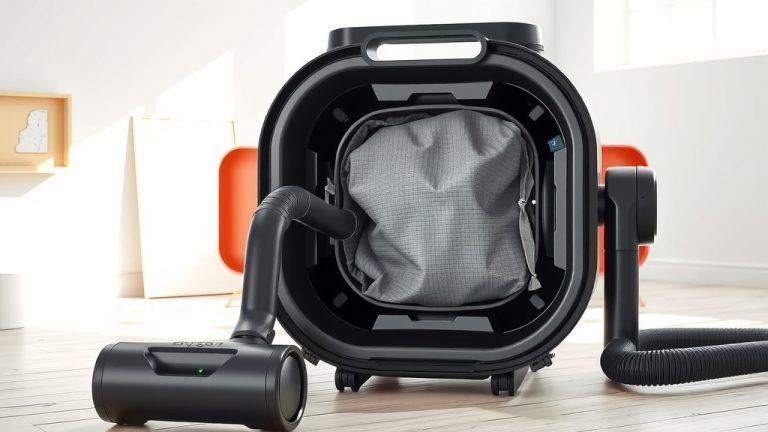
Vacuum cleaner bags are more than just simple paper sacks. They’re typically made with multiple layers of filtration material. This design allows air to pass through while trapping very fine particles inside. Once full, this delicate structure is not meant to be disturbed.
Multi-Layer Filtration
Many modern vacuum bags feature two or more layers. These layers work together to capture dust and prevent it from escaping. Tampering with the bag to empty it often tears or stretches these layers, rendering them ineffective. We found that even a tiny tear can drastically reduce a bag’s **filtering capability**.
Hygienic Seals
Most bags come with a hygienic seal or flap that closes automatically when you remove the bag. This feature is designed to prevent dust from escaping during disposal. Reusing a bag usually means you have to bypass or damage this seal, negating its **health benefits** entirely.
Potential Damage to Your Vacuum
Your vacuum cleaner works hard, and it relies on a clear path for airflow. Using a partially blocked or damaged bag puts undue stress on the motor. This extra effort can lead to overheating and, over time, a **shortened lifespan** for your appliance. Replacing a vacuum cleaner is far more costly than buying new bags.
When is it Time to Change Your Vacuum Bag?
Knowing when to swap out your bag is key to keeping your vacuum running smoothly and your home clean. Don’t wait until the bag is bursting at the seams.
- Reduced Suction: If your vacuum isn’t picking up dirt like it used to, check the bag first.
- Visible Fullness: Some vacuums have indicators, but if it looks very full, change it.
- Unpleasant Odor: A smelly bag often means bacteria or mold is growing inside.
- Difficulty Maneuvering: A bulging bag can make the vacuum heavier and harder to push.
- After Major Cleaning: Always change after a big job, like post-renovation cleanup.
The Cost of New Bags Versus the Benefits
Let’s talk about the economics. While buying new bags is a recurring cost, consider the alternative. Replacing a damaged vacuum, dealing with allergy flare-ups, or hiring professional cleaners because your vacuum isn’t working—these are often far more **expensive consequences**.
Many experts agree that the small investment in fresh bags pays off in better performance and a healthier home environment. It’s like putting fresh oil in your car; it keeps things running optimally.
Comparing New vs. Reused Bags
Here’s a quick look at the differences you can expect:
| Feature | New Vacuum Bag | Reused Vacuum Bag |
|---|---|---|
| Suction Power | Excellent, consistent performance. | Poor, significantly reduced power. |
| Air Filtration | Optimal, traps fine particles. | Compromised, releases dust/allergens. |
| Motor Protection | High, maintains airflow. | Low, causes strain and overheating. |
| Hygiene | Superior, minimal dust exposure. | Poor, high risk of dust/allergen release. |
| Convenience | Quick and easy disposal. | Messy and time-consuming. |
Checklist for Bag Maintenance
To keep your vacuum performing at its best, follow these simple guidelines:
- Always keep a **supply of spare bags** on hand.
- Check your bag regularly, especially after **heavy cleaning tasks**.
- If your vacuum has an indicator, **heed its warnings**.
- Replace bags before they are completely full to **maintain airflow**.
- Ensure you use the **correct bag type** for your specific model.
- Dispose of full bags promptly and **tie them securely**.
Alternatives to Bagged Vacuums
If the idea of constantly replacing bags doesn’t appeal to you, there are other options. Bagless vacuum cleaners use a washable dirt cup or canister instead of a disposable bag. These models can reduce waste and often save you money on supplies in the long run. We found that many users appreciate the **bagless convenience**.
However, bagless vacuums still require regular emptying and filter cleaning. They can also release more dust into the air when emptied compared to a sealed bag, so always empty them outdoors if you have allergies (Mayo Clinic suggests this for reducing indoor allergens).
Conclusion
While the thought of reusing vacuum cleaner bags might seem practical at first glance, the drawbacks far outweigh any perceived benefits. You risk damaging your vacuum, diminishing its cleaning power, and, most importantly, compromising the air quality in your home. For a truly clean and healthy living space, stick to the manufacturer’s recommendations and **always use fresh, clean bags**. Your vacuum and your lungs will thank you!
Can I wash a vacuum cleaner bag?
No, you should never wash a vacuum cleaner bag. Most bags are made from paper or multi-layered synthetic materials that are not designed to withstand water. Washing them will destroy their filtration integrity, making them ineffective and potentially causing mold growth.
How often should I change my vacuum bag?
The frequency depends on usage, pet ownership, and allergy concerns. A good rule of thumb is to change it when it’s about two-thirds full, or if you notice a drop in suction. For homes with pets or allergy sufferers, more frequent changes are recommended.
Will reusing a bag void my vacuum’s warranty?
It’s unlikely that reusing a bag itself would void a warranty directly, but any damage caused by using an improperly functioning or reused bag, such as motor overheating due to restricted airflow, could potentially lead to a warranty claim being denied by the manufacturer.
Are there eco-friendly vacuum bag options?
Yes, some manufacturers offer bags made from recycled materials or biodegradable options. While these still aren’t reusable in the traditional sense, they offer a more environmentally conscious choice for disposal. Check your vacuum’s specifications for compatible eco-friendly bags.
What happens if I don’t change my vacuum bag?
If you don’t change your vacuum bag, suction power will decrease significantly, dust and allergens will likely escape back into your air, your vacuum’s motor will strain and could overheat, and unpleasant odors may develop from trapped debris and bacteria.