How To Stop Dog Barking At Vacuum Cleaner?

To stop dog barking at the vacuum cleaner, introduce it slowly and create positive associations using treats and praise.
Desensitize your dog to the vacuum’s sight and sound by starting with it off and gradually increasing exposure in short, calm sessions.
- Introduce the vacuum gradually, ensuring your dog has positive experiences.
- Use high-value treats to create good associations with the vacuum.
- Start with the vacuum off, then slowly introduce its sound and movement.
- Consider quieter vacuum options if your dog’s anxiety is severe.
- Consistency and patience are key for lasting behavioral changes.
How To Stop Dog Barking At Vacuum Cleaner?
You can stop your dog from barking at the vacuum cleaner by using a calm, consistent approach that focuses on positive reinforcement and gradual exposure.
Teaching your dog to associate the vacuum with good things, rather than fear or excitement, is key to quieting their barks.
Why Your Dog Hates the Vacuum
Have you ever wondered why your furry friend goes from peaceful napper to barking beast the moment the vacuum appears? It is a common puzzle for many pet parents.
Research suggests dogs often react to vacuums due to their loud noise, unpredictable movement, and imposing size (animal behaviorists).
It can trigger their fight-or-flight response, making them bark, growl, or even run away.
Is it Fear or Play?
Sometimes, what looks like aggression is actually fear. Other times, it might seem like they are trying to “play” with the strange moving monster.
Many experts say it is often a combination of startle, territorial defense, or a prey drive triggered by the moving object (AVMA).
Understanding their motivation helps you tailor your approach to help them feel safer and calmer.
Immediate Steps to Manage Barking
When the vacuum comes out, and the barking begins, what can you do right away? Having a few instant tactics can make a big difference.
The goal is to interrupt the barking cycle and redirect your dog’s attention to something more positive or neutral.
Distraction Techniques
A simple distraction can often break your dog’s focus on the vacuum. Try to engage them with a favorite toy or a puzzle treat.
We found that a high-value chew toy or a Kong filled with peanut butter can keep them busy for a few minutes while you vacuum nearby.
The “Treat Tornado”
Before you even turn the vacuum on, toss a handful of tasty treats on the floor a good distance away from where you will be vacuuming.
This creates a fun scavenger hunt, giving your dog a positive association and something else to focus on while the vacuum is running (veterinary behaviorists).
Long-Term Training: Desensitization
The real secret to stopping the barking lies in gradual desensitization. This means slowly exposing your dog to the vacuum in small, manageable steps.
The process pairs the vacuum with positive experiences, making it less scary over time. Patience is your best tool here.
Starting with Sight
Begin by simply having the vacuum in the room, turned off. Let your dog see it and approach it at their own pace.
Reward any calm curiosity with treats and praise. Leave the vacuum out for short periods, then put it away, repeating this several times a day.
The Off-Vacuum Game
Play a game where you touch the vacuum, give your dog a treat. Move it slightly, give a treat. The vacuum is not on, but it is a source of good things.
This helps create a foundation of positive feelings before any noise is involved (animal behaviorists).
Introducing the Sound
Once your dog is comfortable with the vacuum’s presence, it is time for the sound. This is often the trickiest part, so go very slowly.
Start with the vacuum in another room, or even outside, with the door closed. Turn it on for just a second or two, then turn it off.
Low Volume, High Value
Each time you turn the vacuum on, even for a moment, immediately give your dog a super-tasty treat. The sound means good things are coming!
Gradually increase the duration the vacuum is on, and slowly bring it closer, always pairing the sound with treats and calm praise.
Adding Movement
When your dog is calm with the vacuum on in the same room, you can introduce movement. Start with very small, slow movements.
Move the vacuum a few inches, turn it off, and reward your dog. Slowly increase the distance and duration of the movement.
Never chase your dog with the vacuum; this can create or worsen fear. Keep movements predictable and calm.
Here is a quick checklist to help you stay on track:
- Prepare high-value treats before starting any session.
- Start with the vacuum off and still, rewarding calm behavior.
- Gradually introduce the vacuum’s sound from a distance.
- Increase vacuum run time and proximity in tiny steps.
- Introduce slow, controlled vacuum movements, never chasing your dog.
- Keep training sessions short (5-10 minutes) and positive.
- Always end on a good note, with your dog calm and rewarded.
Vacuum Cleaner Choices Matter
Did you know that some vacuums are significantly quieter than others? Your choice of vacuum cleaner might actually impact your dog’s reaction.
Many manufacturers are now focusing on quieter designs, which can be a game-changer for sensitive pets.
Quieter Vacuum Options
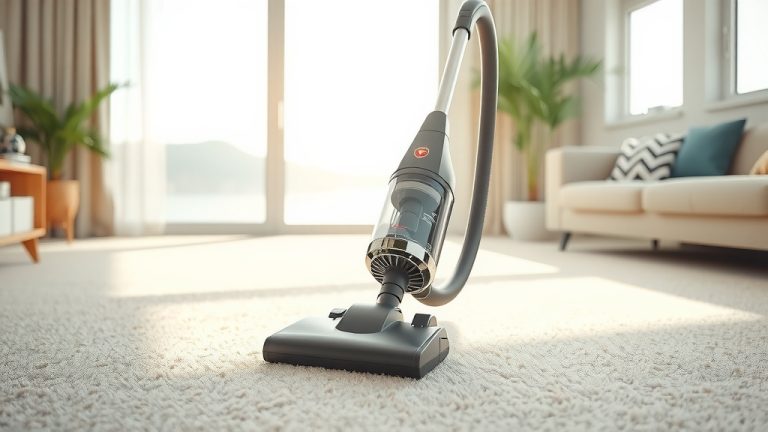
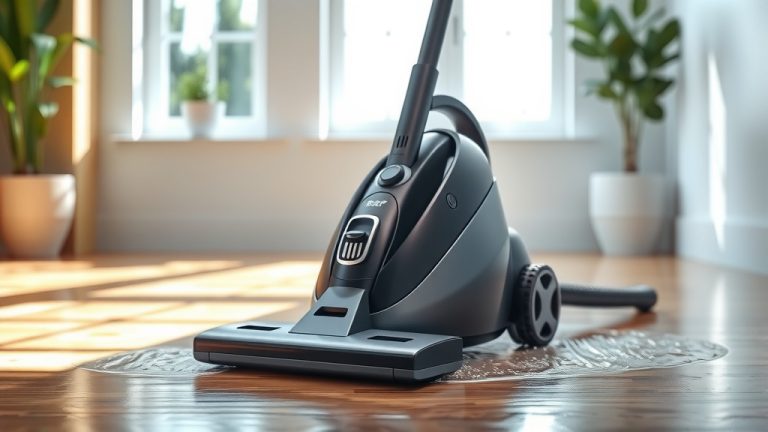
Robot vacuums, for example, often operate at much lower decibel levels. Canister vacuums tend to be quieter than upright models too.
If you are in the market for a new vacuum, considering its noise level could make life much easier for both you and your barking dog.
Here is a look at typical noise levels:
| Vacuum Type | Typical Noise Level (dB) | Dog Reaction Potential |
|---|---|---|
| Upright | 70-80 | High |
| Canister | 65-75 | Medium-High |
| Robot | 55-65 | Low-Medium |
| Stick/Handheld | 60-70 | Medium |
When to Call a Professional
Despite your best efforts, some dogs have deeply ingrained fears or severe anxiety related to vacuums. This is completely normal and no fault of yours.
If your dog displays extreme fear, aggression, or a persistent inability to relax around the vacuum, it might be time for expert help.
A certified professional dog trainer or a veterinary behaviorist can provide tailored strategies and support (ACVB).
Conclusion
Stopping your dog from barking at the vacuum cleaner requires a blend of patience, consistency, and positive reinforcement. Remember, your dog is not trying to be difficult; they are simply reacting to something that frightens or excites them.
By breaking down the vacuum into manageable sights and sounds, pairing it with delicious treats, and gradually increasing exposure, you can help your canine companion learn to tolerate, and perhaps even ignore, the cleaning monster.
Stay calm, celebrate small victories, and do not hesitate to seek professional guidance if you need an extra hand. Your home can be peaceful, and your floors can be clean!
How long does it take to train a dog not to bark at the vacuum?
The training timeline varies greatly for each dog. Some dogs might show improvement in a few weeks with consistent daily practice, while others with deeper fears may take several months. Patience and short, positive sessions are more effective than rushing the process.
Should I scold my dog for barking at the vacuum?
No, scolding your dog for barking at the vacuum is often counterproductive. It can increase their fear or anxiety, making them associate the vacuum (and your reaction) with negative feelings. Focus on positive reinforcement and redirecting their attention instead.
Can a new, quieter vacuum help with barking?
Yes, a quieter vacuum can significantly help reduce a dog’s barking or anxiety. Many dogs react strongly to loud noises. A less noisy vacuum reduces the immediate trigger, making the desensitization process potentially easier and faster for your pet.
What kind of treats are best for vacuum training?
Use high-value treats that your dog absolutely loves, such as small pieces of cooked chicken, cheese, or specialized training treats. These treats should be reserved only for training sessions with the vacuum to create a strong, positive association.
Is it okay to vacuum when my dog is not home?
Yes, vacuuming when your dog is not home is a perfectly fine management strategy. It ensures your floors stay clean without causing your dog stress. However, this does not address the underlying issue, so incorporating some training when they are home is still beneficial for long-term peace of mind.