How To Use A Wet And Dry Vacuum Cleaner?
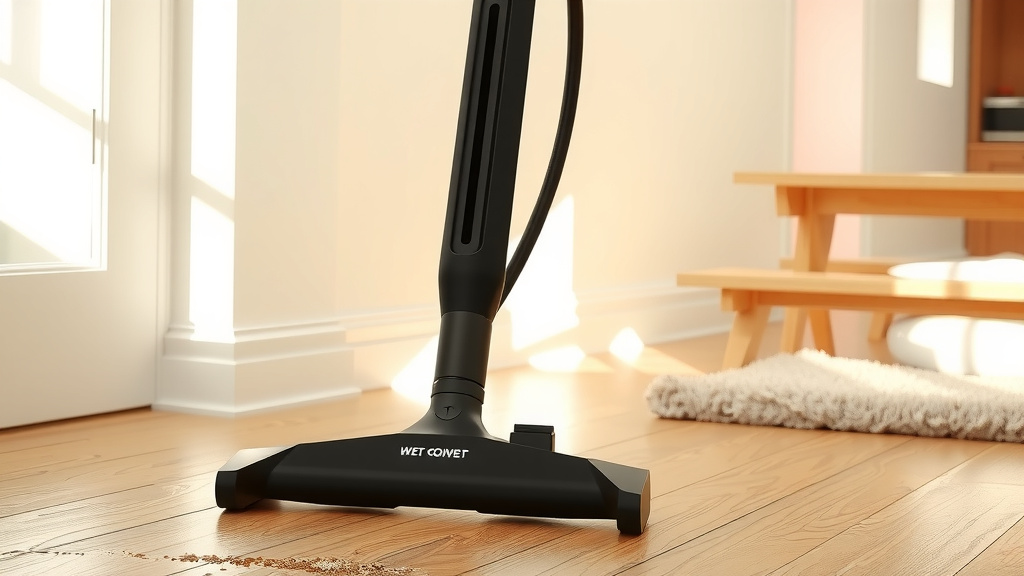
To use a wet and dry vacuum cleaner, always begin by preparing the unit and workspace, ensuring the correct filter is installed for either dry debris or liquids.
Then, select the appropriate mode for your cleaning task, whether it’s vacuuming dry dirt or extracting wet spills from surfaces.
TL;DR: Ready to tackle any mess?
- Prepare for success: Check filters and accessories.
- Master dry tasks: Remove dust, crumbs, and debris.
- Conquer wet challenges: Handle spills and liquid messes.
- Switching modes: Change filters and empty tanks carefully.
- Post-clean care: Clean and store your vacuum properly.
How To Use A Wet And Dry Vacuum Cleaner?
Using a wet and dry vacuum cleaner effectively means understanding its dual functionality for both solid particles and liquid messes, preparing it correctly for each job.
You’ll switch filters and modes as needed, making it a versatile tool for your home or workshop.
What Makes Wet and Dry Vacuums Different?
Think of these vacuums as the Swiss Army knife of cleaning. They handle everything from sawdust to spilled milk, which is pretty neat, right?
Unlike regular dry-only models, they have a special design to collect liquids without damage to the motor.
Pre-Cleaning Checklist: Your First Step
Before you even plug it in, a little preparation goes a long way. This ensures both your safety and the vacuum’s longevity.
Many experts say checking components before each use prevents common issues (Consumer Reports).
- Check the filter: Is it the right one for your job (dry or wet)?
- Empty the tank: Start with a clean slate for better performance.
- Inspect the hose: Look for any blockages or cracks.
- Secure attachments: Make sure they are firmly connected.
- Read your manual: Every model has unique features; understanding yours is key.
Switching Gears: From Dry to Wet Cleaning
This is where the magic happens, but it needs your attention. You can’t just go from dry to wet without a quick adjustment.
The crucial difference lies in the filter. You will typically use a different filter for liquids than for dry debris.
The Right Filter for the Right Job
For dry vacuuming, you’ll use a paper bag or cartridge filter to trap fine dust. But for wet tasks, you’ll usually remove the paper filter entirely or replace it with a foam filter.
Using a paper filter for liquids can destroy it and harm your vacuum, so double-check!
Tackling Dry Messes: The Basics
Using your wet and dry vacuum for dry messes is quite similar to a traditional vacuum, but often with more power. It’s perfect for garages, workshops, or construction debris.
It easily picks up things like saw dust, wood shavings, and even small pieces of drywall.
Techniques for Dry Vacuuming
Attach the appropriate nozzle for the surface. A wide nozzle is great for large areas, while a crevice tool gets into tight spots.
Move steadily across the area. Don’t rush; let the vacuum do its job and collect all the debris.
Conquering Wet Spills: Your Secret Weapon
This is where your wet and dry vacuum truly shines. Spilled drinks, burst pipes, or even overflowing washing machines are no match.
Remember, always ensure your filter setup is correct for wet mode before you begin.
How to Handle Liquid Messes
Use a squeegee nozzle for large puddles. It helps direct the water directly into the suction path, making cleanup faster.
Work from the outside of the spill inward to prevent it from spreading further. This contains the liquid effectively.
Research often connects proper spill cleanup to preventing mold and mildew growth (CDC).
Special Situations: What About Carpet Cleaning?
While great for spills, a wet and dry vacuum isn’t a dedicated carpet cleaner. It can extract water from a damp carpet, but it won’t shampoo or deep clean.
For deep cleaning, you might need a separate carpet extractor. Your wet/dry vacuum is best for emergency water removal.
| Feature | Dry Vacuuming | Wet Vacuuming |
|---|---|---|
| Filter Type | Paper bag / Cartridge filter | Foam filter or no filter (check manual) |
| Container Content | Dust, debris, solid particles | Liquids, sludges, wet spills |
| Typical Uses | Workshop, garage, construction sites | Kitchen spills, flooded basements, car interiors |
| Motor Protection | Dust filter | Float ball mechanism (stops suction when full) |
After The Mess: Cleaning and Maintenance
Just like any tool, your wet and dry vacuum needs a little love after each use. Proper cleaning ensures it’s ready for the next challenge.
Neglecting cleaning can lead to unpleasant odors and reduced suction power.
Emptying and Rinsing
Always empty the tank after each use, especially after vacuuming liquids. Rinse the tank thoroughly with water to prevent mold and odors.
Let it air dry completely before reassembling. This step is often overlooked but crucial for hygiene.
Filter Care: A Long Life for Your Vacuum
Clean your filters regularly. Shake out dry filters or wash foam filters with mild soap and water.
Ensure all filters are completely dry before putting them back into the vacuum. A damp filter can lead to mold and poor performance.
Troubleshooting Common Issues
Even the best tools can sometimes act up. Don’t worry, most issues have simple fixes.
Many experts say that checking the basics first solves the majority of problems (Popular Mechanics).
Loss of Suction?
Check for blockages in the hose or attachments. A clogged filter is another common culprit.
Is the tank lid securely latched? An open latch can cause significant suction loss.
Strange Noises?
Listen for where the noise is coming from. It could be an obstruction, a loose part, or even a motor issue.
Always unplug the unit before inspecting. Safety first, right?
Conclusion
Your wet and dry vacuum cleaner is a versatile and powerful ally in keeping your spaces clean, whether you’re dealing with sawdust or spilled soda. By understanding its dual nature and following these simple steps for preparation, use, and maintenance, you’ll master it in no time.
Treat it right, and it will serve you faithfully through countless messes. Happy cleaning!
How do I know if my wet and dry vacuum is full?
Most wet and dry vacuums have a float ball mechanism. When the tank fills with liquid, a ball rises and blocks the suction port, causing the motor sound to change or suction to stop, indicating it’s full.
Can I use my wet and dry vacuum to unclog a drain?
While some people try this, it’s generally not recommended. The vacuum might pull up corrosive drain cleaners or very thick sludge, which could damage the motor or internal components. It’s better to use dedicated drain-clearing tools.
What kind of liquids can a wet and dry vacuum pick up?
It can pick up most non-flammable liquids like water, mud, coffee, or soda. Avoid hazardous materials like gasoline, paint thinners, or highly corrosive chemicals, as these pose a serious safety risk and can damage the machine.
How often should I clean the filter?
For dry filters, shake or tap them clean after each major use, and wash foam filters after every wet task. For heavy use, you might need to clean more often. Always ensure filters are dry before reuse.
Is it safe to leave water in the tank?
No, you should never leave water or any liquid in the tank. This can lead to mildew growth, foul odors, and corrosion of internal parts. Always empty and rinse the tank immediately after wet vacuuming and allow it to air dry.