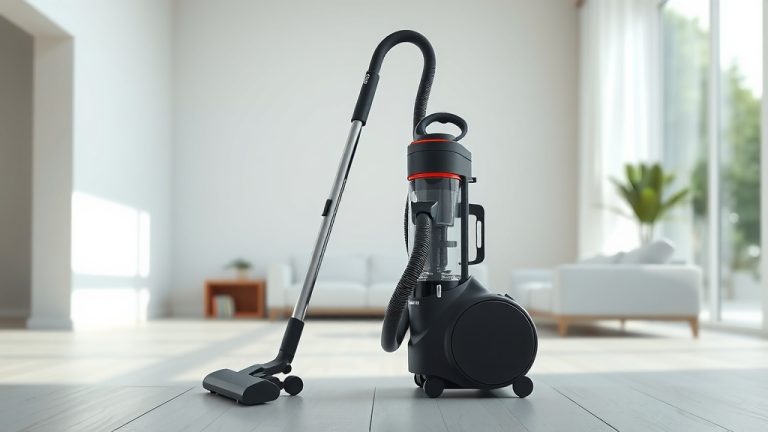
How To Replace A Vacuum Cleaner Belt?

Replacing a vacuum cleaner belt usually means flipping your machine over, removing the bottom plate, and carefully swapping the old, stretched, or broken belt with a new one. This simple repair often restores your vacuum’s powerful suction and brush roll action.
You can typically complete this task at home with basic tools, saving you money and extending your vacuum’s life by getting it back to peak cleaning performance.
- Always unplug your vacuum first for safety.
- Locate the bottom plate and brush roll.
- Identify the correct replacement belt type.
- Carefully remove the old belt and install the new one.
- Test your vacuum to ensure the new belt works.
Ever notice your vacuum isn’t picking up dirt like it used to? Maybe the brush roll has stopped spinning, leaving behind stubborn debris on your carpets. Before you think about buying a new vacuum, consider one of the most common and fixable problems: a broken or stretched vacuum cleaner belt. It’s a tiny part, but it does a big job!
Think of the belt as the unsung hero, connecting the motor’s power to the brush roll. When it fails, your vacuum loses its ability to agitate and lift dirt from your floors. But don’t worry, replacing it is often a straightforward DIY task. We’re here to walk you through it.
How To Replace A Vacuum Cleaner Belt?
You can replace your vacuum cleaner belt by unplugging the unit, flipping it over, and carefully removing the brush roll to access and swap out the old, broken, or stretched belt with a new one. This process is generally similar across many upright and canister models.
Why Does Your Vacuum Belt Break?
Vacuum belts are made of rubber, and like any rubber component, they wear out over time. They stretch, crack, or even snap. This can happen due to age, constant friction, or because something got tangled in the brush roll, causing extra strain. It’s just a part of the vacuum’s life cycle.
Sometimes, if you vacuum up something really thick or heavy, the belt might suddenly break. This protects the motor from overheating. It’s designed to be a sacrificial part.
Recognizing a Broken Belt
How do you know if your belt is the culprit? One clear sign is a brush roll that won’t spin, even though the motor sounds like it’s running. You might also notice a burning smell, which often means the belt is slipping or broken and rubbing against something hot. Or, perhaps your vacuum simply isn’t picking up dirt effectively anymore. Many vacuum repair guides point to a lack of brush roll action as a primary indicator (Appliance Repair Manuals).
Gathering Your Tools and Supplies
Before you get started, having the right tools makes the job much smoother. You won’t need anything fancy, just a few common household items. Think of it like getting ready for a small home improvement project.
- Screwdriver (Phillips or flathead, depending on your vacuum).
- Gloves (optional, but good for grip and keeping hands clean).
- Scissors or utility knife (for cutting away tangled debris).
- New replacement vacuum belt.
What Kind of Belt Do You Need?
This is probably the most important part of getting ready! Vacuum cleaner belts aren’t universal. They come in different sizes and types. You’ll need to know your vacuum’s make and model number to get the correct replacement. Check your owner’s manual or the vacuum’s label for this information. Research often connects the right belt with optimal performance (Manufacturer Specifications).
The wrong belt won’t fit, or it might not provide enough tension, leading to poor cleaning. Some belts are flat, others are round, and some are V-belts. Getting the exact match is key to success.
| Belt Type | Description | Common Use |
|---|---|---|
| Flat Belt | Most common; wide, flat band. | Many upright vacuums, older models. |
| Round Belt | Thinner, circular cross-section. | Some canister vacuums, specialty brush rolls. |
| V-Belt | V-shaped cross-section for better grip. | Heavy-duty uprights, some commercial vacuums. |
Step-by-Step Guide to Belt Replacement
Alright, let’s get down to business! Replacing your vacuum belt is like a mini surgery for your cleaner. Take your time, and you’ll have it spinning again in no time. We’ll guide you through each part carefully.
Safety First: Unplugging Your Vacuum
This cannot be stressed enough: **always unplug your vacuum cleaner** before doing any maintenance. You’ll be working with moving parts and electrical components, so safety is your top priority. Think of it as crossing the street; look both ways!
Accessing the Brush Roll Area
Your vacuum’s brush roll is usually located at the very bottom, inside the power head. You’ll need to flip the vacuum cleaner over onto its front or handle side to access this area. A clean, flat surface like a workbench or even a towel on the floor works best.
Removing the Bottom Plate
Most vacuums have a bottom plate or soleplate held in place by screws. Use your screwdriver to carefully remove these screws. Keep them in a small dish or a magnetic tray so they don’t roll away. This plate covers the brush roll and the belt.
Taking Out the Brush Roll
Once the bottom plate is off, you’ll see the brush roll. It’s usually held in place by end caps or clips. Carefully lift it out. Sometimes there might be a lot of hair, string, or other debris wrapped around it. Now is a great time to clean all that gunk off!
Detaching the Old Belt
With the brush roll removed, you’ll clearly see the old belt. If it’s broken, pieces might be scattered. If it’s stretched, it will just be loose around the motor shaft. Gently pull the old belt off the motor shaft and discard it. Don’t be afraid to pull firmly if it’s still somewhat attached. This is where you can say goodbye to your vacuum’s old problem!
Installing the New Belt
Now for the exciting part – bringing your vacuum back to life! Take your new belt. First, loop it around the motor shaft. This is the small metal rod that spins when the vacuum is on. Make sure it sits snugly.
Stretching it Properly
Next, stretch the belt around the brush roll. This can be the trickiest part as new belts are usually tight. We found that gently stretching the belt around one end of the brush roll first, then working it around the other end, makes it easier. The belt should lie flat and centered on the brush roll, without any twists. It needs to be taught to work correctly.
Reassembly and Testing
Once the new belt is on both the motor shaft and the brush roll, carefully place the brush roll back into its housing. Ensure the end caps or clips are secure. Then, replace the bottom plate and screw it back into place. Double-check that all screws are tight, but don’t overtighten them. You wouldn’t want to strip the threads!
Finally, plug your vacuum back in and turn it on. Listen for the motor and watch the brush roll. It should spin freely and powerfully. You’ve done it! Your vacuum is ready to tackle that dirt again.
Checklist for Reassembly:
- Brush roll securely seated?
- New belt flat and untwisted?
- Bottom plate aligned correctly?
- All screws reinserted and tightened?
- No leftover tools inside the vacuum?
Troubleshooting Common Issues
Sometimes, even after following the steps, things don’t quite go as planned. It’s okay! We often hear about a few common snags. Perhaps the belt seems too loose or too tight. A belt that’s too loose won’t spin the brush roll effectively, while one that’s too tight can put strain on the motor. Double-check that you have the correct belt for your model.
If the brush roll still isn’t spinning, check for any remaining hair or debris that might be jamming the brush roll bearings or axles. Make sure the belt is sitting correctly on both the motor shaft and the brush roll groove. Sometimes a minor adjustment is all it takes.
When to Call a Pro
While replacing a belt is a common DIY fix, some situations might require professional help. If, after changing the belt, your vacuum still doesn’t work, or if the motor sounds odd or sparks, it’s time to seek expert advice. There might be a deeper electrical or motor issue at play that’s beyond a simple belt change. We found that many appliance service experts recommend professional inspection if a new belt quickly breaks again, suggesting an underlying problem.
Conclusion
Replacing a vacuum cleaner belt is a simple yet incredibly effective way to bring your vacuum back to life and extend its useful lifespan. It’s a rewarding DIY project that saves you money and helps you maintain a cleaner home. Remember to prioritize safety by unplugging your machine and always use the correct replacement belt for your model. With a little patience, you’ll have your vacuum cleaner picking up dust and dirt like new again. Isn’t it great to fix things yourself?
How often should a vacuum cleaner belt be replaced?
Most manufacturers and maintenance guides suggest replacing your vacuum cleaner belt every 6 to 12 months, or sooner if you notice signs of wear like stretching, cracking, or reduced brush roll performance. Regular heavy use or vacuuming carpets with thick pile can also speed up the need for a replacement.
Can I use any vacuum cleaner belt as a replacement?
No, you cannot use just any belt. Vacuum cleaner belts are specific to the make and model of your vacuum. They vary in size, length, and type (flat, round, or V-belt). Using the wrong belt can lead to poor performance, damage to your vacuum’s motor, or the belt breaking quickly. Always check your vacuum’s manual or the manufacturer’s website for the correct part number.
What are the signs that my vacuum belt needs replacing?
Key signs include the brush roll not spinning, a burning rubber smell, reduced suction or cleaning effectiveness on carpets, or visible fraying, cracking, or stretching of the belt. If your vacuum feels like it’s just pushing dirt around instead of picking it up, a worn belt is often the culprit.
Is it difficult to replace a vacuum cleaner belt for a beginner?
For most upright vacuums, replacing the belt is considered a straightforward task that even beginners can handle. It typically involves removing a few screws, taking off the bottom plate, and carefully swapping the belt. The trickiest part might be stretching the new belt into place, but with patience, it’s very manageable. Always refer to your vacuum’s specific manual for precise instructions.
What causes a vacuum cleaner belt to break prematurely?
Premature belt breakage can happen due to several reasons. Often, it’s caused by something getting tangled in the brush roll, like shoelaces, socks, or thick pieces of debris, which jams the roll and puts excessive strain on the belt until it snaps. Overfilling the dust bag or canister, which can make the vacuum work harder, or simply age and continuous friction, can also contribute to early wear and tear.