How To Stop A Vacuum Cleaner From Smelling?
To stop a vacuum cleaner from smelling, first empty its dustbin or change the bag immediately. Then, thoroughly clean or replace all filters and inspect the hose for any hidden clogs or trapped debris.
Regular maintenance, like cleaning the brush roll and attachments, along with using vacuum deodorizers, often helps eliminate persistent odors and keeps your machine fresh.
Here’s a quick overview of how to tackle that funky vacuum smell:
- Empty and Clean: Always start by emptying the dustbin or changing the bag. A full bag is often the main culprit.
- Filters are Key: Wash or replace your filters regularly. They trap a lot of odor-causing particles.
- Check for Clogs: A hidden clog in the hose or brush roll can harbor smelly debris.
- Deep Clean Attachments: Don’t forget to clean all those brushes and tools that pick up dirt.
- Deodorize: Use baking soda or specific vacuum deodorizers for a fresh scent boost.
How To Stop A Vacuum Cleaner From Smelling?
Stopping a vacuum cleaner from smelling means getting to the root of the problem. You need to identify what’s causing the odor, then apply a targeted solution.
Why Does Your Vacuum Cleaner Smell? Understanding the Culprits
It can be quite startling when your vacuum cleaner, meant for cleaning, starts emitting unpleasant odors. We found that most smells point to a few common issues within the machine itself.
The Full Bag or Dustbin Dilemma
Is your dustbin overflowing, or has your bag seen better days? A full dustbin or bag is a prime spot for odors to start. All that collected dust, pet hair, and food particles can sit and ferment, creating a truly awful scent. Think of it like a tiny garbage dump in your cleaning device.
Filthy Filters: The Hidden Stinkers
Your vacuum’s filters are designed to capture microscopic particles and allergens. But over time, these filters can become clogged with dirt, dust, and even mold spores. This build-up traps odors, releasing them back into your home as you clean. Many experts say that dirty filters are a major cause of vacuum smells.
Pet Hair and Dander’s Potent Perfume
If you have furry friends, you know their hair and dander get everywhere. When this organic matter gets sucked into your vacuum, it can combine with moisture and create a distinct, unpleasant pet odor. This is especially true if you are vacuuming up damp pet messes, which we found quickly leads to a strong smell.
Mold, Mildew, and Moisture
Accidentally vacuuming up something wet, like a spill or damp carpet, can introduce moisture into your vacuum. This moisture creates a perfect breeding ground for mold and mildew inside the hose, dustbin, or even the motor housing. Research often connects moisture with persistent musty smells (NIH).
Clogs and Trapped Debris
Sometimes, a large piece of debris, hair, or even a small toy gets stuck in the vacuum hose or brush roll. This blockage can then attract more dirt, moisture, and bacteria, leading to a foul odor over time. It’s like a tiny ecosystem of stink forming inside your machine.
Your Action Plan: Practical Steps to Eliminate Odors
Ready to tackle that smell head-on? Here are the practical steps you can take to make your vacuum cleaner smell fresh again.
Empty and Clean the Dustbin or Change the Bag
This is your very first step. If your vacuum has a bag, replace it with a fresh one, even if it’s not completely full. For bagless models, empty the dustbin thoroughly. We found that a quick rinse with warm, soapy water (and drying completely) can make a big difference for plastic dustbins.
Clean or Replace Filters
Check your vacuum’s manual to see if your filters are washable or need replacement. Washable filters should be cleaned under running water until the water runs clear. Always let them air dry for at least 24 hours before putting them back in. If your filters are disposable, replace them as recommended by the manufacturer. New filters can work wonders.
Inspect and Clear the Hose and Attachments
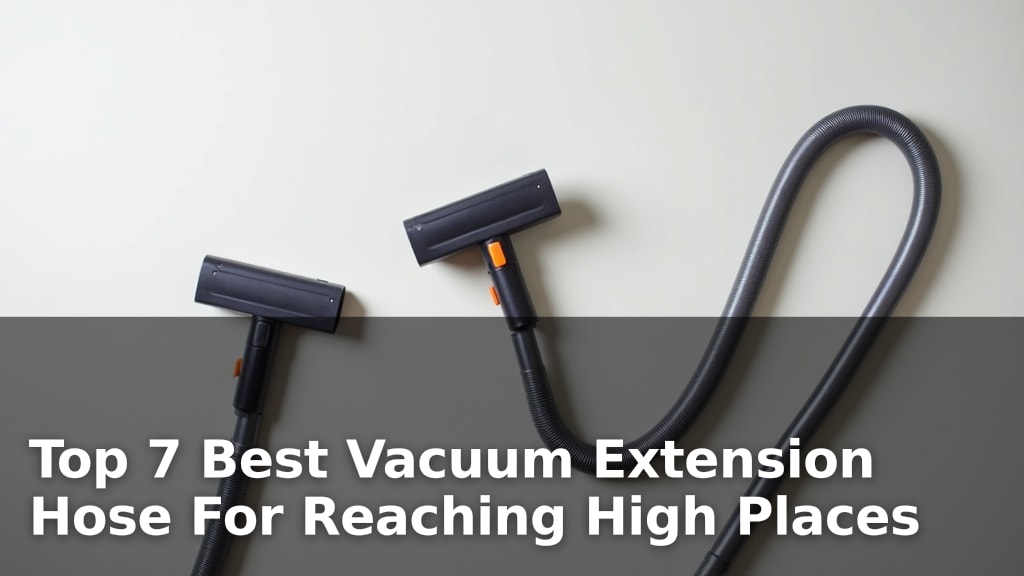
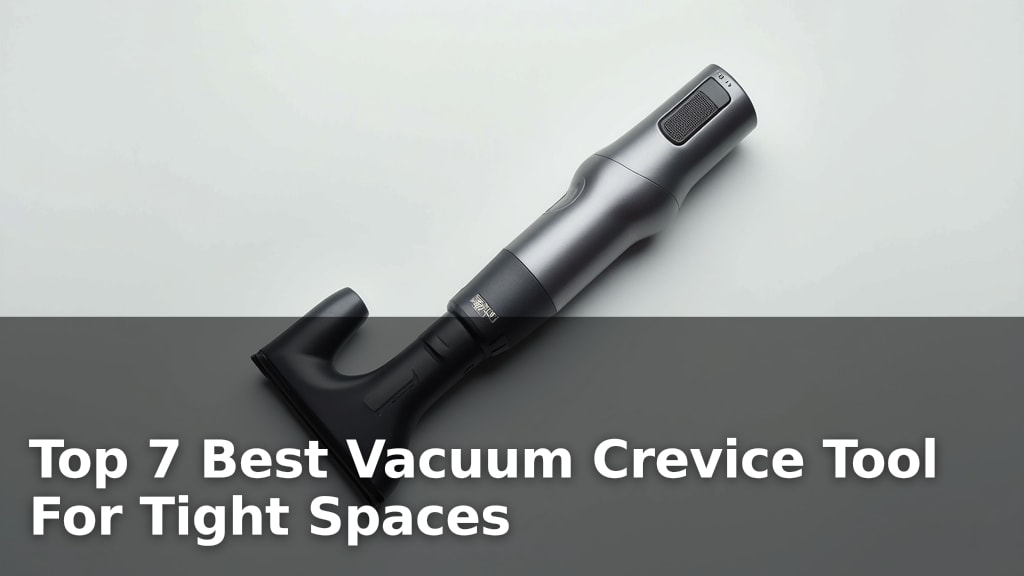
Disconnect the hose from your vacuum. Look through it for any obstructions. You can often use a broom handle or a long, thin object to push out clogs. Also, don’t forget your attachments. Wash all removable attachments with warm, soapy water, rinse well, and let them dry fully. We found that a lot of lingering smells come from these forgotten areas.
Clean the Brush Roll
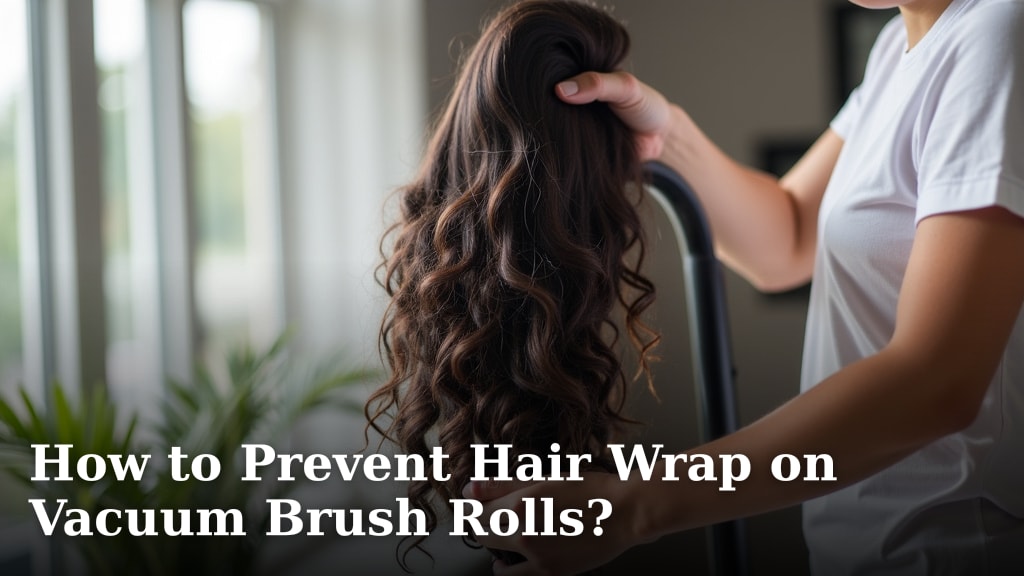
Hair, string, and debris often get tangled around the brush roll. This not only hinders performance but also traps odors. Use scissors to carefully cut away tangled hair and then clean the brush roll with a damp cloth. Some brush rolls are removable, making this task much easier. A clean brush roll is a happier brush roll.
Deodorize Your Vacuum
Once everything is clean and dry, you can add a fresh scent. Sprinkle some baking soda into your dustbin or new vacuum bag before using it. You can also buy specialized vacuum deodorizer balls or scent tabs to place in the bag or dustbin. A few drops of essential oil (like lemon or tea tree) on a cotton ball placed inside the dustbin can also help, but use sparingly.
Preventative Measures: Keeping Odors Away for Good
Prevention is always better than cure, especially when it comes to unpleasant smells. Here’s how to keep your vacuum fresh in the long run.
Regular Maintenance is Your Best Friend
Establish a cleaning schedule. Empty the dustbin after every use. Check filters monthly. Clean the brush roll every few uses. This routine will significantly reduce the chances of odors developing. Consistency is key for a fresh-smelling vacuum.
Avoid Vacuuming Wet or Damp Messes
If you have a spill, blot it up thoroughly before vacuuming. Standard dry vacuums are not designed to handle liquids, and doing so introduces moisture that leads to mold and mildew. This is a common mistake we found that causes odors.
Use Good Quality Bags and Filters
Opt for genuine or high-quality generic replacement bags and filters. These are often designed with better filtration and sometimes even include odor-absorbing properties. Investing a little more here can save you from future stink.
Consider Vacuum Fresheners or Air Purifiers
Some vacuum brands offer built-in fresheners or have specific filters designed to combat pet odors. If you have persistent issues, exploring these options might be helpful. Many experts suggest that specific odor-fighting filters can make a difference.
When to Seek Professional Help
If you’ve tried everything and the smell persists, especially if it’s a burnt or electrical smell, stop using your vacuum immediately. This could indicate a motor problem or an electrical issue. In such cases, professional repair is the safest choice. Mayo Clinic advises against self-repair of electrical appliances if you are unsure.
Common Vacuum Odors and Quick Fixes Table
Sometimes you can tell the problem by the smell. Here’s a quick guide:
| Odor Type | Likely Cause | Quick Fix |
|---|---|---|
| Musty / Moldy | Vacuumed damp materials, mold in filter/hose | Clean hose/filters, ensure all parts are dry |
| Dusty / Stale | Full bag/dustbin, dirty filters | Empty/change bag, clean/replace filters |
| Pet Odor | Pet hair/dander buildup | Clean brush roll, use pet-specific deodorizers |
| Burnt / Electrical | Motor overheating, belt issue, clog | Check for clogs, stop use if persistent, seek repair |
| Sour / Rotting | Trapped food particles, old spills | Deep clean all components, check hose for blockages |
Your Vacuum Odor-Busting Checklist
Keep this handy checklist nearby to quickly address any funky smells:
- Empty dustbin/change bag.
- Wash/replace all filters.
- Clean brush roll thoroughly.
- Check hose for clogs.
- Wash all attachments.
- Ensure all parts are completely dry.
- Apply baking soda or vacuum deodorizer.
- Perform regular preventative maintenance.
Conclusion
A stinky vacuum cleaner doesn’t have to be a permanent fixture in your home. By understanding why these odors start and taking simple, consistent steps, you can keep your machine smelling fresh and working at its best. Regular cleaning and attention to detail are your most powerful tools against unwanted smells. Take care of your vacuum, and it will take care of your floors, without any nasty surprises.
Frequently Asked Questions About Vacuum Smells
Can I put essential oils directly into my vacuum?
It’s generally not recommended to put essential oils directly into the vacuum’s mechanics or filters. The oils can be corrosive or leave residue. Instead, put a few drops on a cotton ball and place it in the dustbin or new vacuum bag for a safer way to add scent.
How often should I change my vacuum cleaner filter?
The frequency depends on your vacuum model and usage. Many manufacturers suggest changing disposable filters every 3 to 6 months. Washable filters often need cleaning monthly. If you have pets or allergies, you might need to clean or replace them more often.
Why does my vacuum smell like burning when I use it?
A burning smell often signals a problem with the motor or a worn-out drive belt. It could also mean there’s a serious clog causing the motor to work too hard. Stop using the vacuum immediately and check for clogs, then consult a professional if the smell persists, as it could be a fire hazard.
Can vacuuming up pet hair cause a bad smell?
Yes, absolutely. Pet hair and dander, especially when damp, can accumulate in the dustbin, filter, and brush roll. This organic material can harbor bacteria and moisture, leading to a strong, unpleasant pet odor over time. Regular cleaning of these parts is crucial.
Is it safe to vacuum up a small amount of water?
No, it’s generally not safe or recommended to vacuum up water with a dry vacuum cleaner. Doing so can damage the motor, electrical components, and filters, and it creates a prime environment for mold and mildew to grow, leading to bad smells and potentially unsafe conditions. Always use a wet/dry vacuum for liquids.