
How To Clean Sofa Without Vacuum Cleaner?
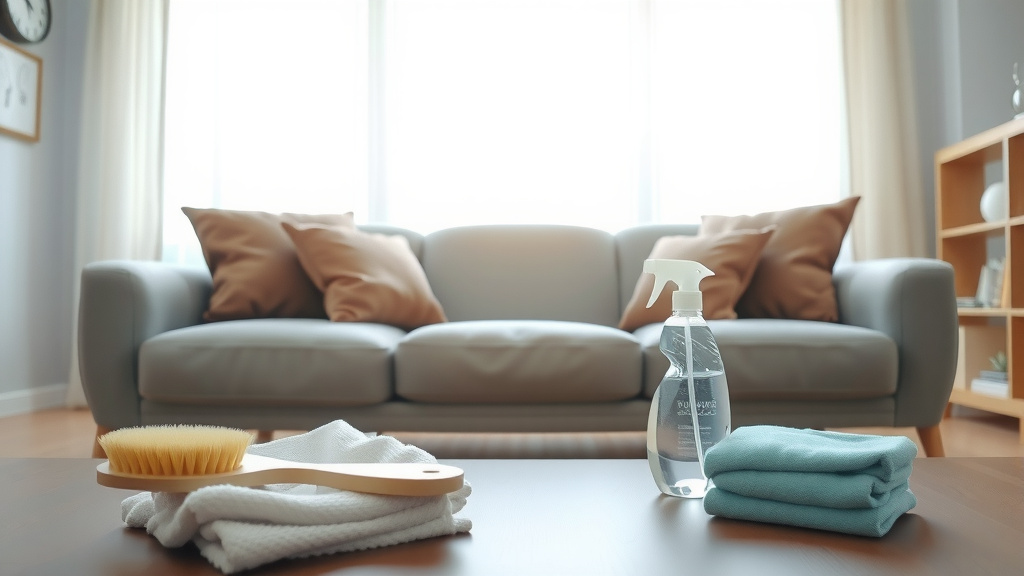
To clean a sofa without a vacuum cleaner, you can effectively remove dust and debris using tools like stiff brushes, lint rollers, or even damp cloths. For deeper cleaning, gentle scrubbing with a mild cleaning solution and spot treatment works wonders on various stains.
You can quickly refresh your sofa and tackle minor messes even without a vacuum cleaner, relying on simple household items. This approach is perfect for regular upkeep, unexpected spills, and when you simply need to freshen up your living space.
- Remove surface dust and debris using brushes, lint rollers, or a damp cloth.
- Spot clean any spills or stains promptly with mild soap and water.
- Deodorize your sofa naturally using baking soda to absorb odors.
- Create a DIY fabric refresher spray for a pleasant scent.
- Always perform a patch test on a hidden area before applying any cleaning solution.
How To Clean Sofa Without Vacuum Cleaner?
Cleaning your sofa without a vacuum cleaner is simpler than you might think, using basic tools and methods readily available in most homes. You can achieve a surprisingly clean and fresh sofa by focusing on dust removal, spot treatment, and effective deodorizing techniques.
Why Go Vacuum-Free?
Sometimes a vacuum cleaner just isn’t an option. Maybe you don’t own one, it’s broken, or you need a quiet cleaning solution late at night. We found that vacuum-free methods are perfect for quick touch-ups or when you prefer a more hands-on, gentle approach to sofa care.
Going vacuum-free also means you avoid electrical cords and noise, making it ideal for families with sleeping children or pets. It gives you direct control over the cleaning process, letting you focus on specific areas with more care.
Gather Your Tools (No Vacuum Needed!)
You’ll be surprised by how much you can do with simple items. We recommend having a stiff-bristled brush, lint rollers, microfibre cloths, baking soda, and a spray bottle on hand. These household items are your best friends for a spotless sofa.
Additionally, you might want some mild dish soap or a specialized upholstery cleaner designed for manual application. Remember, the right tools make any cleaning task much easier, even without power.
Step-by-Step Guide: Tackling Dust and Debris
First things first, let’s get rid of the loose dirt. This initial step is vital for a thorough cleaning. You want to remove as much surface gunk as possible before moving on to deeper cleaning.
Think of it like sweeping a floor before mopping. A little effort here saves you a lot of trouble later. This method also protects your fabric from getting dirt rubbed deeper in.
The Power of Brushing
Grab a clean, stiff-bristled brush, perhaps a clothes brush or a scrub brush. Gently brush the sofa fabric in one direction. This action helps to loosen dirt, pet hair, and crumbs that are settled deep in the fibers.
You can even use a rubber glove! Put one on and rub your hand over the sofa surface. The friction helps to clump hair and lint, making it easy to pick up. Many experts say this is a surprisingly effective method for pet hair removal.
Lint Rollers: Your Secret Weapon
For pet hair, lint, and small particles, a lint roller is your absolute best friend. Roll it across the entire surface of your sofa. You’ll see those sticky sheets pick up an amazing amount of debris.
Don’t be shy about using several sheets if your sofa is very hairy. We found that a fresh sheet works best for maximum pickup. This simple tool provides a satisfyingly clean finish.
Damp Cloth Magic
Once you’ve brushed and rolled, a slightly damp microfibre cloth can capture any remaining fine dust. Wring out the cloth very well so it’s barely damp, not wet. Gently wipe down the sofa surface.
This technique is particularly good for smooth fabrics. The dampness helps to attract and hold tiny dust particles, leaving your sofa feeling cleaner. Just be careful not to oversaturate the fabric.
Dealing with Stains and Spills
Stains are the arch-nemesis of a clean sofa. The key here is quick action and understanding your fabric. Don’t panic; most fresh spills are very treatable with the right approach.
Remember, acting fast minimizes the chance of a stain setting permanently. Having a go-to plan for spills can save you a lot of headache and potentially expensive professional cleaning fees.
Identify Your Fabric First
Check the care tag on your sofa cushions. You’ll often see codes like “W,” “S,” “WS,” or “X.” These codes are important. “W” means water-based cleaners are safe. “S” means solvent-based cleaners only (no water!). “WS” means both are fine. “X” means professional cleaning only, no liquids at all.
Many guidelines point to checking the label first to avoid accidentally damaging your fabric (Upholstery Care Institute). Always patch test any cleaner on a hidden area, like the back or underside of a cushion, before applying it widely.
Spot Cleaning Techniques
For “W” or “WS” fabrics, mix a tiny bit of mild dish soap with water to create suds. Dip a clean white cloth into the suds only, not the liquid. Gently blot the stained area, working from the outside in to prevent spreading the stain.
Blotting is key; do not rub! Rubbing can push the stain deeper or damage the fabric fibers. After blotting the stain, use a clean, damp cloth to blot away any soap residue. Finish by gently drying the area with a dry cloth.
Say Goodbye to Stubborn Stains
Different stains require different tactics. Here’s a simple guide for common issues:
| Stain Type | Recommended Method |
|---|---|
| Food & Drink | Blot with mild soap and water solution. |
| Grease/Oil | Sprinkle baking soda, let sit, then brush off. Follow with soap and water if fabric allows. |
| Ink | Dab with rubbing alcohol on a clean cloth (test first!). |
| Mud | Let it dry completely, then scrape off gently. Brush residue. |
Research often connects quick response with better stain removal rates (Textile Cleaning Journal). Don’t give up on a stain too quickly, but also know when it’s best to stop and call for professional help.
Freshening Up and Deodorizing
A clean sofa doesn’t just look good; it smells good too. Odors can cling to fabric, especially in homes with pets or smokers. Luckily, there are easy, natural ways to eliminate those lingering smells.
These methods are much safer than simply masking odors with air fresheners. They actually tackle the source of the smell, leaving your sofa truly fresh. It’s a game-changer for maintaining a pleasant living space.
Baking Soda: The Odor Absorber
Baking soda is a miracle worker for odors. Lightly sprinkle a generous amount over your entire sofa. Pay extra attention to areas that tend to get more use or spills. Let it sit for at least 30 minutes, or even a few hours for stubborn smells.
After it has absorbed the odors, use your stiff brush to brush away the baking soda into a dustpan. Alternatively, you can use a hand-held brush to sweep it up. This leaves your sofa smelling noticeably fresher. We found this method to be incredibly effective and inexpensive.
DIY Fabric Refresher Spray
Want a pleasant scent? Mix about a cup of distilled water with a tablespoon of rubbing alcohol (it helps evaporate quickly) and 10-15 drops of your favorite essential oil in a spray bottle. Lavender, lemon, or eucalyptus are popular choices.
Lightly mist your sofa from a distance. Don’t saturate the fabric. This will leave a subtle, fresh scent. Again, always test on an inconspicuous spot first to ensure no discoloration occurs. You can also skip the essential oils for a neutral freshening effect.
Quick Sofa Maintenance Checklist
Keeping your sofa clean doesn’t have to be a big chore. Regular, small actions make a huge difference. Here’s a simple checklist to keep your sofa looking its best:
- Regularly brush or lint roll to remove surface debris.
- Spot treat spills immediately to prevent them from setting.
- Sprinkle baking soda every few weeks to absorb odors.
- Rotate and fluff cushions to maintain their shape.
- Keep pets off the sofa if possible, or use protective covers.
When to Call the Pros
Despite your best efforts, some situations call for professional help. If you have a deeply embedded stain, an entire sofa that needs a deep clean, or a delicate fabric (“X” code), it’s wise to bring in experts. They have specialized equipment and knowledge.
Many experts say attempting to clean certain fabrics yourself can cause irreversible damage. Knowing when to wave the white flag and call a professional is a smart decision that can save you money in the long run.
Conclusion
Cleaning your sofa without a vacuum cleaner is completely achievable with a little effort and the right household tools. By regularly brushing, spot treating, and deodorizing, you can keep your sofa looking and smelling fresh. Remember to always check your fabric care label and test any cleaning solutions first. With these practical steps, your sofa will continue to be a comfortable and clean centerpiece in your home.
Can I use a steam cleaner on my sofa if I don’t have a vacuum?
While a steam cleaner does not “vacuum,” it can be used for deep cleaning if your sofa fabric is suitable for water-based cleaning (check the “W” or “WS” code). Be very cautious not to oversaturate, and always test a hidden area first. Steam can loosen dirt and sanitize, but it won’t remove solid debris like crumbs or pet hair, which you should brush off beforehand.
How often should I clean my sofa without a vacuum?
For general maintenance, a quick brush or lint roll once a week helps. Spot treat spills immediately. For deodorizing with baking soda, once a month is a good routine, or more often if you have pets or notice lingering odors. Consistency is more important than infrequent deep cleans.
What if my sofa fabric is “S” coded, meaning solvent-only?
For “S” coded fabrics, absolutely avoid water. You can still brush and lint roll to remove dry debris. For stains, you’ll need a specialized solvent-based upholstery cleaner. Always ensure good ventilation and follow product instructions precisely. For extensive cleaning, professional help is generally recommended for “S” coded fabrics.
Are there any natural alternatives to essential oils for deodorizing?
Yes, baking soda is your primary natural deodorizer. For a neutral, fresh scent without added fragrance, simply use plain water and rubbing alcohol in your DIY spray. You could also place bowls of white vinegar or activated charcoal near the sofa overnight to absorb odors naturally, though these are not directly applied to the fabric.
How do I prevent my sofa from getting dirty quickly?
Prevention is a great strategy! Consider using washable slipcovers, especially if you have pets or young children. Encourage eating and drinking away from the sofa, or use trays. Fluff and rotate cushions regularly to distribute wear, and address small messes as soon as they happen. Regular, light maintenance keeps bigger cleaning tasks at bay.
