What Is A Good Vacuum Cleaner For Pet Hair?
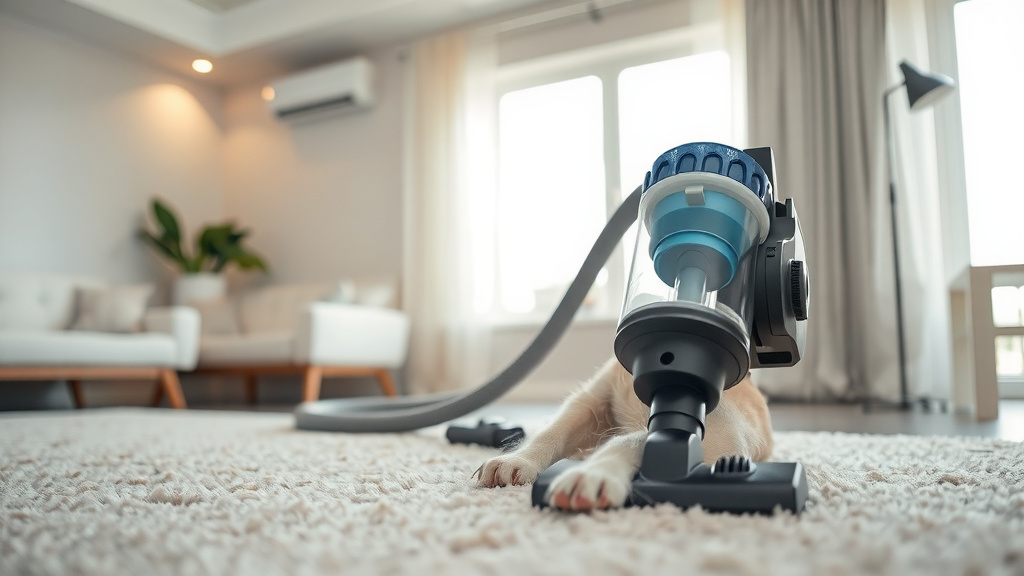
A good vacuum cleaner for pet hair needs strong suction, specialized brush rolls to prevent tangles, and excellent filtration to trap dander and allergens. It effectively removes embedded fur from carpets and picks up loose hair from hard floors.
Look for features like tangle-free brush rolls, HEPA filtration, powerful motors, and dedicated pet attachments to conquer even the most persistent pet shedding in your home.
- Powerful suction is a must to lift stubborn pet hair from all surfaces.
- Specialized brush rolls with rubber or silicone bristles prevent hair tangles.
- HEPA filters are essential for trapping pet dander and allergens, improving air quality.
- Dedicated pet attachments like mini motorized tools make cleaning upholstery easy.
- Consider dustbin size and ease of emptying for frequent pet hair removal.
What Is A Good Vacuum Cleaner For Pet Hair?
A good vacuum cleaner for pet hair is one designed specifically to tackle the unique challenges of fur, dander, and tracked-in dirt. We found that the best models combine robust suction with thoughtful features.
These features work together to make your home cleaner and reduce allergens. It’s about more than just picking up loose hairs; it’s about deep cleaning.
Why Pet Hair is Such a Challenge
If you share your home with furry friends, you know pet hair isn’t just a surface problem. It weaves itself into carpets and clings to upholstery. It also forms dust bunnies in every corner.
Pet dander, tiny flakes of skin, can trigger allergies. A regular vacuum often struggles with this mix, pushing hair around instead of truly removing it.
Key Features to Seek Out
Finding the right vacuum means looking beyond basic models. You need tools built for the task. We found that certain features make all the difference.
These specific design elements help you keep your home clean and fresh. Think of them as your secret weapons against shedding season.
Unbeatable Suction Power
Pet hair, especially from breeds like German Shepherds or Huskies, can be incredibly stubborn. It burrows deep into carpets. This means your vacuum needs a motor with serious pulling power.
Strong suction helps lift embedded hair. It also ensures loose fur on hard floors isn’t just blown around. Research often connects higher airflow with better debris pickup (Consumer Reports).
Tangle-Free Brush Rolls
This is where many standard vacuums fail. Long pet hair can wrap tightly around traditional brush rolls. This causes them to jam or stop spinning.
Look for brush rolls designed with anti-tangle technology. Many now feature rubberized or silicone bristles. Some even have self-cleaning mechanisms, which is a game-changer.
Superior Filtration System
Pet dander is a common allergen. A good pet vacuum should trap these tiny particles, not release them back into the air. This is where HEPA filtration comes in.
HEPA filters capture 99.97% of particles as small as 0.3 microns. This drastically improves your indoor air quality. It’s a must-have for allergy sufferers.
Specialized Pet Attachments
A bare hose won’t do much for pet hair on your couch. The best pet vacuums come with dedicated tools. These attachments are designed for specific pet hair challenges.
A mini motorized brush is excellent for upholstery and stairs. A crevice tool with rubber bristles helps grab hair from tight spots. These small tools truly extend your cleaning reach.
Maneuverability and Weight
You’ll be moving your vacuum frequently. A heavy, clunky machine makes the job harder. Look for a lightweight model or one with swivel steering.
Good maneuverability means you can easily navigate around furniture. It also helps you reach under tables without much effort. This makes routine cleaning less of a chore.
Generous Dustbin Capacity
Pet hair can fill a dustbin quickly. Constantly stopping to empty it interrupts your cleaning flow. A larger dustbin lets you clean longer without interruptions.
Also, consider how easy the bin is to empty. Look for designs that allow for quick, mess-free disposal of pet hair and dust. We found that a one-touch release is ideal.
Understanding Different Vacuum Types
The right vacuum type depends on your home layout and cleaning habits. Each design offers specific advantages for pet owners.
Let’s consider which type might best suit your lifestyle. Think about your home’s unique needs.
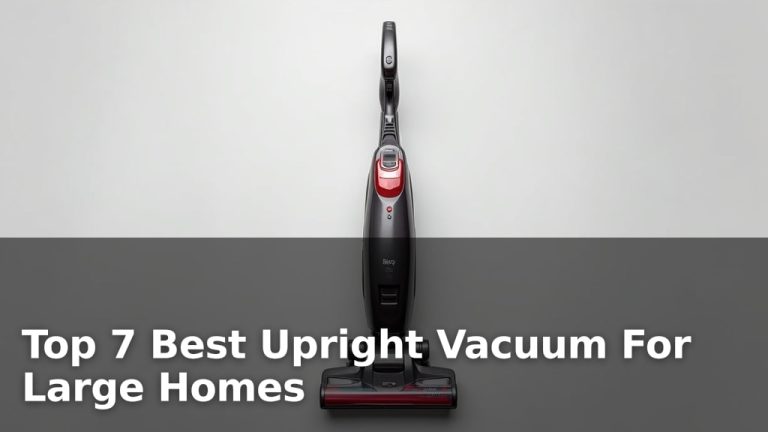
Upright Vacuums: The Powerhouses
Uprights are often chosen for their raw power and wide cleaning paths. They excel at deep cleaning carpets. Many models also include options to turn off the brush roll for hard floors.
They are generally heavier but offer strong suction. Some uprights feature innovative anti-tangle brush rolls, making them ideal for heavy shedding homes.
Canister Vacuums: Versatile Cleaners
Canister vacuums separate the motor from the cleaning head. This makes the cleaning head lighter and more agile. They are excellent for homes with a mix of hard floors and carpets.
Their flexibility also makes them great for cleaning stairs, curtains, and upholstery. We found that they often come with a wide array of attachments.
Stick Vacuums: Lightweight & Handy
Cordless stick vacuums offer incredible convenience and ease of use. They are perfect for quick clean-ups and smaller living spaces. Modern stick vacuums now boast impressive suction.
Many convert into handhelds, which is fantastic for cleaning pet beds or car interiors. Battery life and run time are key considerations for these models.
Robotic Vacuums: Autonomous Assistants
For daily maintenance and hands-free cleaning, robotic vacuums are a dream. They can keep pet hair accumulation at bay between deeper cleans. Many are now optimized for pet hair.
Look for models with stronger suction, rubberized brushes, and larger dustbins. Some even offer self-emptying docks, making them even more convenient for busy pet parents.
Bagged vs. Bagless: Which is Better for Pet Hair?
Both types have their pros and cons when dealing with pet hair. It often comes down to personal preference and allergy concerns.
Weighing these factors can help you make an informed decision for your home. Your choice impacts convenience and air quality.
Bagless vacuums are convenient as they save you from buying bags. You just empty the canister. However, emptying can release a cloud of dust and dander. This is not ideal for allergy sufferers.
Bagged vacuums seal pet hair and allergens within the bag. This makes disposal cleaner and helps keep allergens contained. It can be a better choice if anyone in your home has severe pet allergies.
Considering Noise Levels
Some pets are sensitive to loud noises. A roaring vacuum can cause anxiety or stress for your furry friend. Quieter models are available.
Many brands are now designing vacuums with noise reduction in mind. A quieter vacuum also makes cleaning a more pleasant experience for you.
Budget and Value
Vacuum cleaners for pet hair range widely in price. More expensive models often come with advanced features and better durability. However, a good vacuum doesn’t have to break the bank.
Set a budget and look for the best features within that range. Consider it an investment in a cleaner, healthier home. Sometimes, spending a little more upfront saves you in the long run.
Your Pet Hair Vacuum Checklist
Keep these points in mind when you are shopping for your next vacuum. This checklist will guide you to a smart purchase.
It helps ensure you get a vacuum that truly meets your needs. Don’t settle for less when it comes to pet hair.
- Powerful Suction: Can it lift embedded hair effectively?
- Tangle-Free Brush Roll: Does it resist hair wrapping?
- HEPA Filtration: Does it trap allergens and improve air quality?
- Pet Attachments: Does it include tools for upholstery and tight spots?
- Appropriate Capacity: Is the dustbin large enough for your home?
- Maneuverability: Is it easy to push and steer around furniture?
Comparing Popular Pet Vacuum Types
Here’s a quick overview of how different vacuum types generally stack up against pet hair challenges.
This table can help visualize the strengths of each category. Choose the best fit for your specific cleaning needs.
| Vacuum Type | Best For | Pet Hair Pros | Pet Hair Cons |
|---|---|---|---|
| Upright | Deep carpet cleaning, large areas | Strong suction, wide paths, specialized brush rolls | Can be heavy, less agile for stairs/upholstery |
| Canister | Mixed flooring, versatility | Excellent for hard floors, great attachments for upholstery | Can be cumbersome to pull, takes up more storage space |
| Stick | Quick clean-ups, hard floors | Lightweight, handheld conversion, convenient for daily use | Limited run time, smaller dustbin, less power for deep carpets |
| Robotic | Daily maintenance, hands-free | Consistent daily pickup, good for keeping hair at bay | Less powerful than traditional vacs, can miss spots, needs regular emptying |
Maintaining Your Pet Hair Vacuum
Even the best pet hair vacuum needs regular care. Proper maintenance ensures it continues to perform at its peak. This extends the life of your appliance.
Regular cleaning is key. It prevents clogs and maintains strong suction. This keeps your home consistently hair-free.
- Empty the Dustbin: Do this after every use, especially with pets. A full bin reduces suction.
- Clean the Brush Roll: Regularly remove tangled hair and debris. Many brush rolls are detachable for easy cleaning.
- Wash/Replace Filters: Follow manufacturer guidelines for filter maintenance. Clean filters maintain air quality and suction.
- Check for Clogs: Inspect hoses and attachments for blockages. Pet hair can easily form clogs.
Conclusion
Choosing a good vacuum cleaner for pet hair doesn’t have to be overwhelming. By focusing on key features like powerful suction, anti-tangle brush rolls, and HEPA filtration, you’ll find a model that truly makes a difference. Remember to consider your home’s unique needs and your furry friends’ sensitivities.
Investing in the right vacuum means a cleaner home, fewer allergens, and more quality time with your beloved pets. A little research now will lead to a lot less frustration later, keeping your living space fresh and comfortable for everyone.
Frequently Asked Questions About Pet Hair Vacuums
Do I really need a special vacuum for pet hair, or will any vacuum work?
While any vacuum can pick up some pet hair, a specialized pet hair vacuum is much more effective. They are designed with stronger suction, specialized brush rolls, and better filtration to handle the unique challenges of pet fur and dander, preventing tangles and improving air quality.
What is a HEPA filter, and why is it important for pet owners?
A HEPA (High-Efficiency Particulate Air) filter is a type of air filter that can trap very fine particles. For pet owners, it’s crucial because it captures tiny pet dander particles and allergens, preventing them from being released back into the air. This significantly improves indoor air quality, especially for allergy sufferers.
How often should I vacuum if I have pets?
With pets, daily vacuuming is often recommended to stay on top of shedding and dander. For high-traffic areas or multiple pets, even twice a day might be beneficial. Regular, frequent vacuuming prevents hair from embedding deeply into carpets and reduces allergen buildup.
Can robotic vacuums truly handle pet hair effectively?
Yes, many modern robotic vacuums are quite effective at handling pet hair, especially for daily maintenance. Look for models specifically marketed for pets, which usually feature stronger suction, rubberized brush rolls to prevent tangles, and larger dustbins. They are great for maintaining cleanliness between deeper manual cleans.
What kind of maintenance does a pet hair vacuum require?
Pet hair vacuums require regular maintenance to perform optimally. This includes emptying the dustbin after each use, routinely cleaning tangled hair from the brush roll, washing or replacing filters according to the manufacturer’s instructions, and checking hoses and attachments for clogs caused by pet fur. Proper care extends the vacuum’s life and efficiency.