What Is the Best Vacuum for a Home Office?
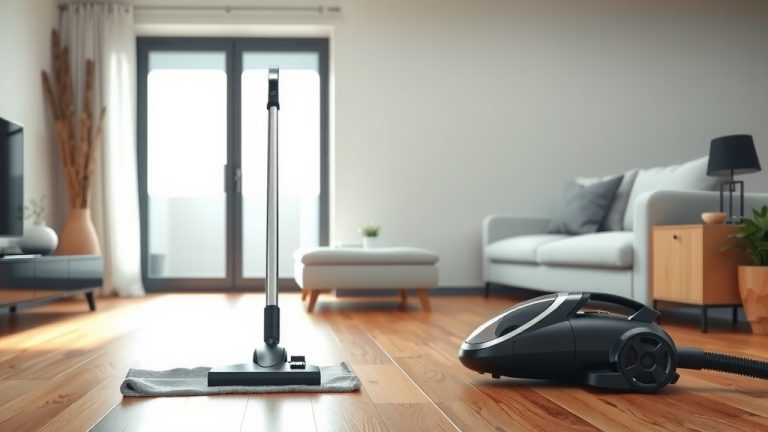
The best vacuum for a home office is often a cordless stick vacuum or a compact canister vacuum, offering a balance of power and maneuverability. We found these types handle common office messes like dust, crumbs, and pet hair effectively.
Choosing the right vacuum means considering your specific needs, like the types of flooring you have or if you need to tackle pet hair. A good office vacuum should be quiet and easy to store, blending into your workspace without being a nuisance.
- Cordless stick or compact canister vacuums are ideal.
- Consider your floor types and if you have pets.
- Look for quiet operation and easy storage.
- Battery life is key for cordless models.
- Attachments for tight spaces are a big plus.
Ready to discover the perfect cleaning companion for your workspace? We’ll guide you through the features that matter most when picking a vacuum for your home office.
Finding the Ideal Vacuum for Your Home Office
The perfect vacuum for your home office helps keep your workspace tidy without adding stress. It’s about finding a tool that fits your unique needs, whether you’re battling pet hair or just daily dust bunnies.
We found that cordless stick vacuums and compact canister vacuums are generally the top contenders. They offer a good mix of power, maneuverability, and convenience for smaller spaces.
Cordless Stick Vacuums: The Agile All-Rounder
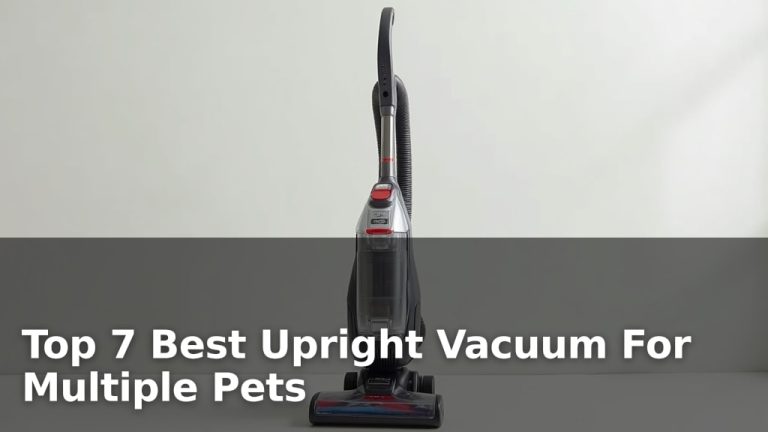
Imagine a vacuum that’s always ready, no cord required. That’s the beauty of a cordless stick vacuum. They are lightweight and easy to grab for quick clean-ups, which is perfect for a busy home office.
We’ve seen these models shine when dealing with everyday messes like crumbs from lunch, stray paper bits, or even spilled coffee grounds (when dry, of course!). Their slim design makes them easy to store, often standing upright in a corner or mounted on a wall.
Pros of Cordless Stick Vacuums
- Unrestricted Movement: No power outlet needed, so you can clean anywhere.
- Quick Grab-and-Go: Excellent for fast spot cleaning or daily tidy-ups.
- Space-Saving Design: Easy to store in small offices.
- Versatile: Many models convert to handheld vacuums for desks and keyboards.
Cons of Cordless Stick Vacuums
- Battery Life: Run time can be limited, typically 20-60 minutes.
- Dust Bin Size: Smaller bins mean more frequent emptying.
- Suction Power: May not match corded models for deep cleaning carpets.
Compact Canister Vacuums: Power in a Petite Package
If you need more consistent suction power and don’t mind a cord, a compact canister vacuum might be your best bet. These models often have stronger motors than stick vacuums, making them great for deeper cleans.
Canister vacuums usually come with a separate hose and wand, giving you excellent reach and flexibility. This is especially useful for vacuuming under desks, around chair legs, and in other awkward spots.
Why Choose a Compact Canister?
- Powerful Suction: Generally stronger than most cordless stick vacuums.
- Larger Dust Capacity: Less frequent emptying, ideal for larger messes.
- Extended Reach: Long hoses and attachments make cleaning tricky areas easier.
- Consistent Performance: No battery to worry about; power stays strong.
Potential Drawbacks
- Cord Management: You’ll need to plug and unplug, and coil the cord.
- Storage: While compact, they still take up more space than a stick vacuum.
- Maneuverability: Can be less agile than a stick vacuum for quick tasks.
Key Features to Look for in an Office Vacuum
When you’re shopping for your office vacuum, keep these important features in mind. They can make a big difference in how happy you are with your purchase.
Noise Level: Keep it Quiet
Your office is a place for focus. A loud vacuum can be a real distraction, especially if you share a space or have ongoing calls. Look for models advertised as “quiet” or with a low decibel rating (under 70 dB is generally good).
We found that many newer stick and canister vacuums are designed with noise reduction in mind. Reading reviews often gives you a good sense of how quiet a vacuum truly is in real-world use.
Filtration System: Breathing Easier
Dust is a common enemy in any office. A good filtration system, especially a HEPA filter, is crucial. HEPA filters capture very fine particles, including allergens like pollen, pet dander, and dust mites (Environmental Protection Agency).
This is particularly important if you have allergies or want to maintain excellent air quality in your enclosed workspace. Cleaner air means a more comfortable and productive environment.
Attachments and Tools: Getting Into Every Nook
Your home office isn’t just open floor space. There are keyboards, shelves, desk crevices, and probably a few forgotten corners. The right attachments turn your vacuum into a versatile cleaning machine.
- Crevice Tool: Essential for tight spaces, like between desk drawers or along baseboards.
- Dusting Brush: Gentle enough for keyboards, monitors, and delicate surfaces.
- Upholstery Tool: Perfect for office chairs or any fabric surfaces.
- Pet Hair Tool (if applicable): A must-have if furry friends visit your workspace.
Making Your Choice: A Quick Comparison
To help you decide between a stick vacuum and a canister vacuum, here’s a simple comparison table. Think about what matters most for your daily cleaning routine and office setup.
| Feature | Cordless Stick Vacuum | Compact Canister Vacuum |
|---|---|---|
| Convenience | Excellent (grab-and-go) | Good (some cord management) |
| Power/Suction | Moderate to Good | Good to Excellent |
| Maneuverability | Excellent (lightweight, agile) | Good (hose offers flexibility) |
| Storage Footprint | Very Small | Small to Medium |
| Run Time | Limited (battery-dependent) | Unlimited (corded) |
| Best For | Quick clean-ups, hard floors, light carpets | Deeper cleaning, all floor types, pet hair |
Office Floor Types: What Are You Cleaning?
Before you buy, take a quick look down. What kind of flooring do you have in your home office? Different vacuums excel on different surfaces.
- Hardwood/Laminate/Tile: Most vacuums do well here. Look for soft brush rolls to prevent scratches.
- Low-Pile Carpet/Area Rugs: Stick vacuums with decent suction or canister vacuums work well.
- Medium-Pile Carpet: A canister vacuum with a powered brush head will likely offer a deeper clean.
Many modern vacuums are designed to handle multiple floor types, often with settings you can adjust. This versatility is a huge plus if you have a mix of surfaces.
The Pet Factor: Taming the Tumbleweeds
Does your furry co-worker share your office space? If so, pet hair will be a primary concern. Pet hair can quickly accumulate and can even affect air quality (American Academy of Allergy, Asthma & Immunology).
For pet owners, prioritize vacuums with strong suction and specialized pet tools. Look for brush rolls designed to resist tangling and attachments specifically for picking up pet hair from upholstery and carpets.
Your Office Vacuum Checklist
Here’s a quick checklist to help you narrow down your options and ensure you’re getting the best vacuum for your home office:
- Is it a cordless stick or compact canister (based on your needs)?
- Is the noise level acceptable for your workspace?
- Does it feature a good filtration system, like HEPA?
- Does it include essential attachments for tight spots and surfaces?
- Is the battery life sufficient for your cleaning tasks (if cordless)?
- Is it suitable for your specific floor types and any pet hair?
Conclusion
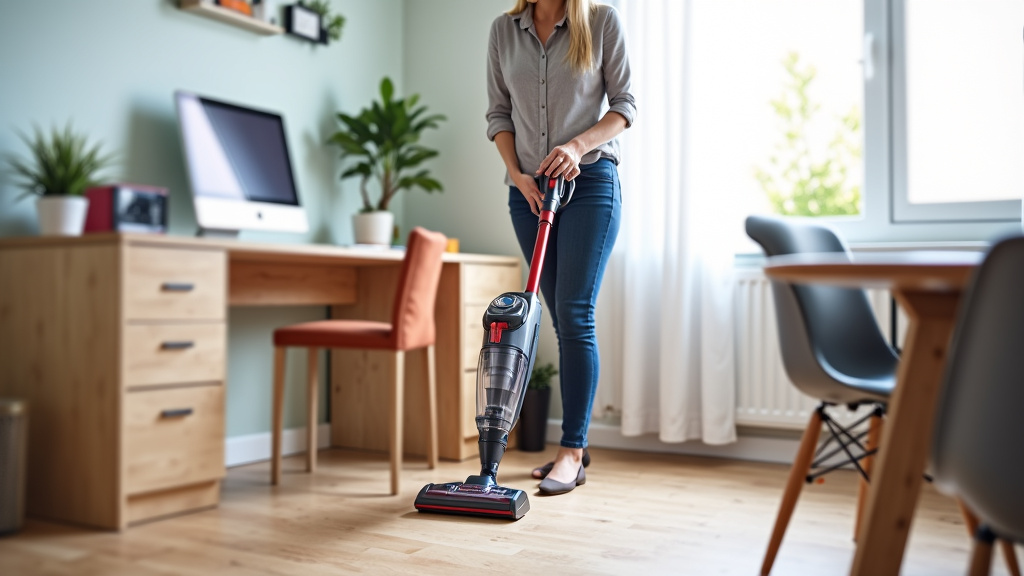
Choosing the best vacuum for your home office truly comes down to your personal workflow and space. We’ve seen that a cordless stick vacuum excels for quick, flexible clean-ups, while a compact canister vacuum offers robust power for deeper tasks.
Think about your floor types, whether pets are involved, and your tolerance for noise. By prioritizing features like good filtration and useful attachments, you’ll find a vacuum that keeps your workspace clean and your focus sharp.
Ready to make your office shine? Review your checklist and pick the perfect cleaning partner that fits your unique home office needs.
Frequently Asked Questions
How often should I vacuum my home office?
You should vacuum your home office at least once or twice a week to manage dust and debris effectively. If you have pets or allergies, a daily quick clean might be beneficial to maintain air quality.
Can a robot vacuum work well in a home office?
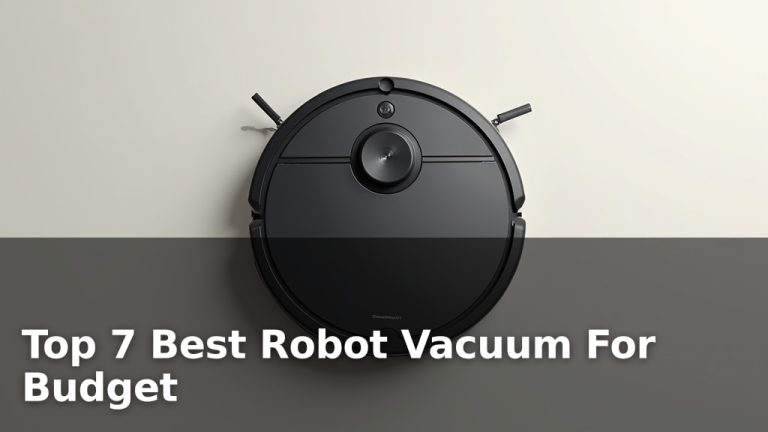
While convenient for maintaining general cleanliness, robot vacuums might struggle with tight spots around desk legs or cords. They are best used as a supplement to a stick or canister vacuum, not a full replacement for detailed cleaning. For those considering automated cleaning, our guide to the best robot vacuums can help you decide if one is right for your home office.
Is a HEPA filter really necessary for a home office vacuum?
A HEPA filter is highly recommended, especially if you spend many hours in your office or have allergies. It effectively captures tiny particles like dust mites, pollen, and pet dander, significantly improving your indoor air quality.
What’s the most important attachment for an office vacuum?
The crevice tool and dusting brush are arguably the most important for a home office. They allow you to clean tricky spots like keyboard gaps, behind monitors, and in tight corners that a regular vacuum head can’t reach.
Will a cordless vacuum have enough power for my office carpet?
For low-pile office carpets or area rugs, many cordless stick vacuums offer sufficient power. However, for medium or high-pile carpets, a compact canister vacuum often provides stronger, more consistent suction for a deeper clean.