Is It Safe to Vacuum Up Small Toys Accidentally?
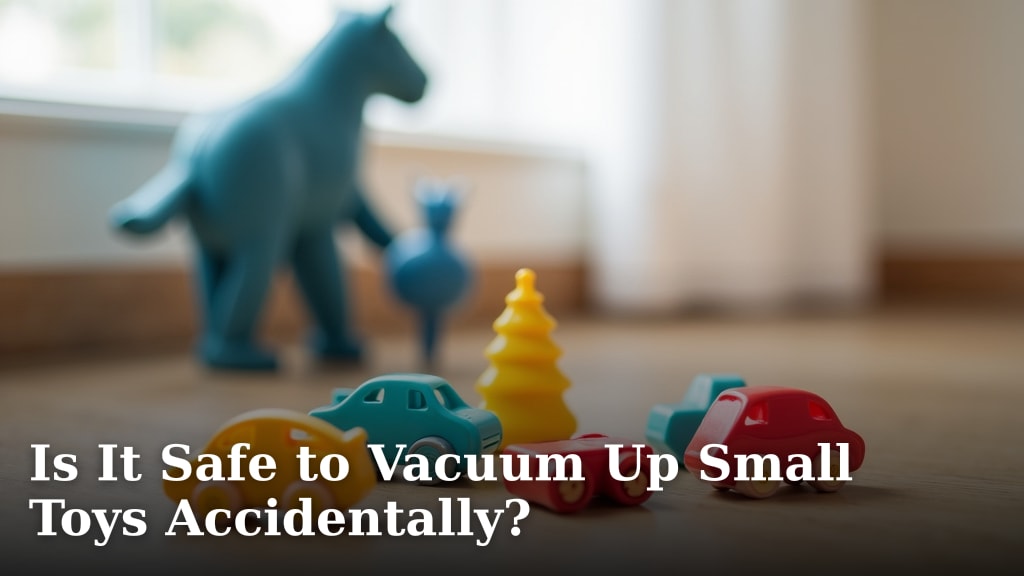
No, it’s generally not safe to vacuum up small toys accidentally, especially with powerful vacuums. Doing so can cause serious damage to your vacuum cleaner and potentially harm the toy. You might end up with a costly repair bill for a simple mistake.
We’ve all been there: a stray LEGO brick or a tiny doll shoe disappears into the abyss. You wonder if your trusty vacuum can handle the job. While tempting, it’s often better to pick up small objects by hand to avoid internal blockages or even a broken motor.
- Vacuuming small toys can damage your vacuum.
- Toys can get stuck and cause clogs.
- Small parts can scratch or break internal components.
- You might need expensive repairs.
- It’s usually safer to pick up toys manually.
Let’s walk through why vacuuming small toys is risky and what you should do instead to keep both your vacuum and your belongings safe.
Why Vacuuming Small Toys Can Be a Problem
Vacuuming up small toys might seem like a quick fix, but it often leads to bigger headaches. You could be risking damage to your vacuum cleaner or even the toys themselves. It’s a lose-lose situation for you and your household items.
Think of your vacuum as having a delicate digestive system. Introducing a hard, foreign object can cause a real upset. We’ve found that even seemingly innocent items can wreak havoc inside the machine.
The Risk of Clogs and Blockages
One of the most immediate problems you’ll face is a clog. Small toys, especially those with odd shapes, are perfect candidates for getting stuck in the narrow passages of your vacuum. This is like trying to push a square peg through a round hole.
When a toy gets lodged, it blocks the airflow. Your vacuum motor then has to work harder, which can lead to overheating and reduced suction power. Have you ever noticed your vacuum sounding different or losing its pick-up ability? A blockage is often the culprit.
Where Do Toys Get Stuck?
Toys can get stuck in several key areas. The most common places are the nozzle, the hose, or the internal tubing leading to the dustbin. Sometimes, they even make it into the dustbin itself, but often not without a fight.
Brush rolls are also prime targets. Small objects can become entangled, preventing the brush from spinning. This not only stops the cleaning action but can also strain the belt or motor that drives the brush.
Damage to Internal Components
Beyond clogs, there’s the risk of actual physical damage. Small, hard objects are not designed to travel at high speeds through your vacuum’s mechanics. They can act like tiny projectiles, bouncing around and hitting delicate parts.
Plastic toys can chip or break, and even softer materials can cause issues. We’ve seen cases where small items have scratched or cracked components, leading to air leaks and further suction loss. If you’re experiencing further suction loss, our guide on how to increase suction power of vacuum cleaner can help restore your machine’s performance.
Impact on the Motor and Fan
The motor is the heart of your vacuum. If a toy gets past the initial stages and reaches the fan or impeller, you’re in for serious trouble. The fan blades are designed to move air, not to smash hard objects.
A toy hitting the fan blades can chip, bend, or even break them. This can create an imbalance, causing vibrations and ultimately leading to motor failure. A new motor is often as expensive as a new vacuum itself.
Bags, Belts, and Filters
Don’t forget about the smaller, yet equally important, parts. A sharp toy could tear a vacuum bag, releasing dust and debris back into your clean room. If you have a bagless vacuum, a sharp object could damage the filter or its housing.
The belts that drive the brush roll are also vulnerable. A toy getting caught can cause the belt to stretch, slip, or even snap. Replacing a belt is a hassle and an unnecessary expense.
What Kinds of Toys Are Most Dangerous to Vacuum?
Not all small objects pose the same level of threat, but it’s best to be cautious with most. Generally, the harder and smaller the item, the higher the risk. We’ve gathered some common culprits to help you understand the danger.
Think about the materials involved. A soft, plush toy might cause a temporary blockage, but a hard plastic toy can cause lasting damage. It’s important to distinguish between the two.
Hard Plastic Toys
LEGO bricks, small action figures, doll accessories, and play-food items made of hard plastic are among the most hazardous. Their rigid structure means they won’t compress or break down easily.
These types of toys are notorious for getting stuck. They can create a solid plug in your vacuum’s hose or damage internal fan blades. Many vacuum repair technicians confirm that these are frequent causes of machine failure (Consumer Reports).
Metal or Electronic Parts
Small metal cars, toy keys, or tiny electronic components from broken gadgets are extremely dangerous. Metal can cause serious damage to plastic parts inside the vacuum. It can also create sparks if it hits certain electrical components, though this is rare.
Even small batteries from toys can pose a risk. They can leak corrosive materials if crushed or damaged, which is a hazard to both your vacuum and your health. Always pick up batteries by hand.
Fabric or Soft Toys
While less likely to cause catastrophic damage, small fabric toys like doll clothes, socks, or tiny stuffed animals can still cause problems. They tend to compress and form dense clogs, especially in the hose.
These soft items might not break fan blades, but they will definitely reduce suction and force your motor to work harder. They can also get tangled around brush rolls, making your vacuum ineffective.
What to Do If You Accidentally Vacuum a Toy
So, you’ve done it. A small toy has vanished into the vacuum’s maw. Don’t panic! Your next steps are crucial to minimizing damage to your machine. Acting quickly and carefully can save you a repair bill.
Your goal is to safely retrieve the item without forcing anything or making the situation worse. Remember, patience is a virtue here.
Immediate Steps to Take
- Turn off and unplug the vacuum immediately: This is the most important first step. You don’t want the motor running while you’re trying to clear a blockage. Safety first!
- Check the dustbin/bag: Sometimes, if you’re lucky, the toy might have made it all the way to the collection bin. If so, simply retrieve it.
- Inspect the nozzle and brush roll: Turn the vacuum over and look for the toy caught in the opening or tangled in the brush roll. You might be able to gently pull it out.
Clearing a Clog in the Hose or Tubing
If the toy isn’t in the dustbin or nozzle, it’s likely stuck in the hose or the internal tubing. This requires a bit more effort, but it’s usually manageable without professional help.
Most vacuum hoses are detachable. Disconnect the hose from both the main unit and the wand. Hold it up to the light to see if you can spot the blockage. Often, you can gently dislodge it. If you find a blockage in your hose, our guide on how to unclog a vacuum hose offers detailed steps to resolve the issue.
Tools for Clearing a Clog
A long, blunt object can help. A broom handle (without the brush end), a PVC pipe, or even a specialized vacuum hose cleaning tool can be used. Never use anything sharp, as you could puncture the hose.
Gently push the object through the hose from one end. Be careful not to force it. Sometimes, a combination of pushing and gently squeezing the hose can help free the toy. If you’re still struggling, consider consulting your vacuum’s manual for specific instructions on clearing blockages.
Preventing Future Toy Vacuuming Accidents
The best way to deal with accidental toy vacuuming is to prevent it from happening in the first place. A little proactive effort goes a long way in protecting your vacuum and your sanity. It’s about building good habits around tidiness.
Think of it as creating a “safe zone” for your vacuum. By consistently clearing small items, you ensure your cleaning routine is smooth and worry-free. Your vacuum will thank you for it!
Pre-Vacuuming “Sweep”
Before you even plug in your vacuum, do a quick visual sweep of the area. This is especially important in kids’ rooms or play areas. Take a few minutes to pick up any small objects that might be lurking on the floor.
It’s a habit that saves you time and potential repairs later. Encourage children to help with this “toy hunt” before cleaning day. Make it a game!
Designated Toy Storage
Having clear, accessible storage for toys can drastically reduce floor clutter. Bins, baskets, or shelves make it easy for kids (and adults) to put things away. When toys have a home, they’re less likely to end up on the floor.
Consider storage solutions that are easy for children to use themselves. The more independence they have in tidying up, the less you’ll find yourself picking up tiny treasures.
Using a Handheld or Smaller Vacuum for Quick Cleanups
For those super small messes or crumbs, a handheld vacuum can be a lifesaver. These are often less powerful and have smaller openings, making them less likely to suck up a stray toy with devastating force.
They are also much easier to clear if a small object does get stuck. Consider a small, dedicated “crumb catcher” for high-traffic areas where tiny items tend to accumulate.
| Vacuuming Method | Pros | Cons | Best For |
|---|---|---|---|
| Picking Up by Hand | Safest for toys & vacuum, no damage risk. | Takes more time, manual effort. | All small toys, delicate items. |
| Handheld Vacuum | Quick for crumbs, less powerful suction. | Still can clog, limited capacity. | Tiny, light debris (after toy check). |
| Upright/Canister Vacuum | Powerful cleaning for large areas. | High risk of damage to vacuum & toy. | Only after all small toys are cleared. |
A Pre-Vacuuming Checklist
To help you establish a routine, here’s a quick checklist to run through before you start vacuuming:
- Are all small toys picked up from the floor?
- Have you checked under furniture for hidden items?
- Are any small, loose objects like coins or paperclips removed?
- Is the area clear of charging cables or power cords?
- Have you picked up any pet toys or chews?
- Are throw rugs or loose mats secured?
Conclusion
Vacuuming up small toys, while tempting for a quick cleanup, is almost never worth the risk. You now know how easily a tiny LEGO or doll shoe can lead to costly vacuum repairs, from simple clogs to motor damage. Protecting your vacuum means being proactive.
By taking a few extra moments to manually pick up small items, you save yourself frustration and expense. Make it a habit to scan your floors before you vacuum. This simple step keeps your cleaning routine smooth and your vacuum running efficiently for years to come. Your machine (and your wallet) will thank you!
Frequently Asked Questions
Can a small toy really break my vacuum cleaner?
Yes, absolutely. Hard plastic or metal toys can chip fan blades, get stuck in the motor, or cause belts to snap. Even soft toys can create severe clogs that overwork and damage your vacuum’s motor.
What should I do immediately if I accidentally vacuum a toy?
First, turn off and unplug your vacuum right away. Then, check the dustbin, nozzle, and brush roll. If you don’t see it, carefully disconnect the hose and inspect for blockages. Never force anything or continue running the vacuum.
Are some vacuum types more resistant to vacuuming small toys?
Generally, no vacuum is truly resistant to damage from small, hard objects. While industrial shop vacs are more robust, standard household upright or canister vacuums are all vulnerable. It’s always best to pick up toys by hand.
Will vacuuming a small toy void my vacuum’s warranty?
Many manufacturers consider damage from ingesting foreign objects as misuse, which could indeed void your warranty. Always check your specific vacuum’s warranty terms, but preventing the issue is the safest approach.
What’s the best way to prevent future toy-related vacuum accidents?
Establish a routine where you or your kids do a quick “toy sweep” before vacuuming. Use designated toy storage to keep items off the floor. For small crumbs, a handheld vacuum can be a safer option than a powerful upright.