Can You Use a Robot Vacuum on High Pile Carpet?
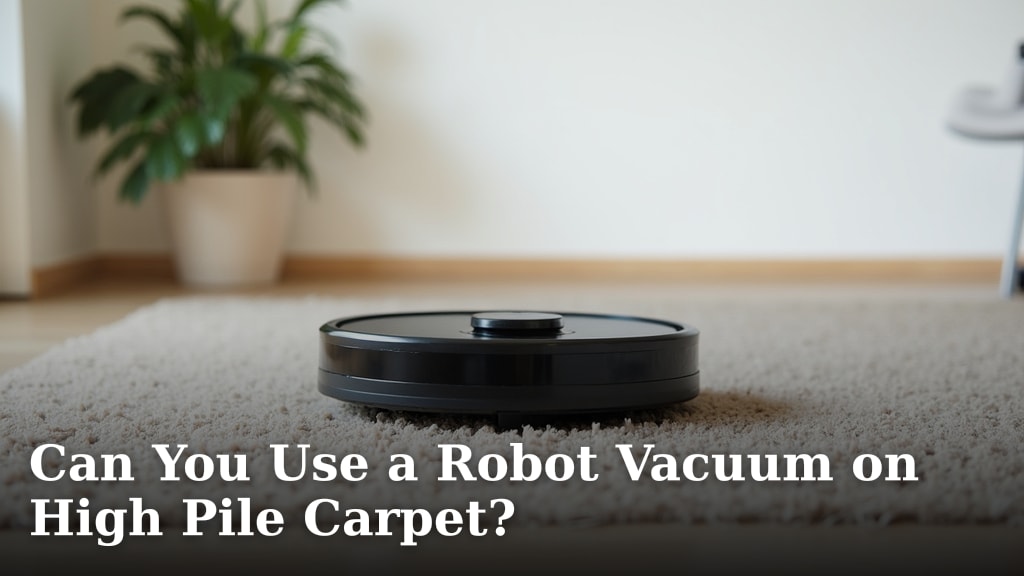
Yes, you can use a robot vacuum on high-pile carpet, but you need the right type of robot vacuum. Many standard robot vacuums struggle with longer carpet fibers, leading to them getting stuck or cleaning poorly. Look for models designed for deeper carpets to get the best results.
Finding a robot vacuum that handles plush carpets can be tricky. You want one with strong suction power and a brush system that won’t get tangled easily. We found that some specialized models are much better at navigating and cleaning these trickier surfaces than others, offering you a convenient cleaning solution.
- Robot vacuums can work on high-pile carpets.
- You need a model specifically designed for deep carpets.
- Standard robot vacuums often get stuck or clean poorly.
- Look for strong suction and specialized brushes.
- Some models offer convenient cleaning for plush surfaces.
Let’s dive into exactly what features make a robot vacuum suitable for your high-pile carpets and how to pick the best one for your home.
Robot Vacuums on High-Pile Carpet: What You Need to Know
You can definitely use a robot vacuum on your high-pile carpets. The key is picking the right model. Not all robot vacuums are created equal, especially when it comes to thicker carpets. We found that some are built specifically for this challenge.
Understanding the High-Pile Challenge
High-pile carpets, with their longer, fluffier fibers, present unique challenges for robot vacuums. Think of it like trying to run a small car through a very tall, dense forest. Standard robots often get bogged down.
Why Standard Robot Vacuums Struggle
Many common robot vacuums are designed for hard floors or low-pile carpets. Their wheels might not be tall enough. Their suction power might be too weak. This leads to them getting stuck or leaving dirt behind.
The brush rolls on these models can also become tangled easily. Long carpet fibers can wrap around them, stopping the vacuum in its tracks. This requires you to frequently untangle the brushes.
Common Issues You Might Encounter
If you use the wrong robot vacuum, you might see it constantly getting an “error” message. It might spin in circles. Or it might simply avoid the carpet altogether. This can be frustrating and a waste of time.
Another problem is poor cleaning performance. The vacuum might glide over the surface but not pull out the trapped dirt and dust. This defeats the purpose of having a robot cleaner. You want truly clean carpets.
Key Features for High-Pile Carpet Performance
When you’re shopping for a robot vacuum for high-pile carpet, you need to look for specific features. These are the aspects that separate the good performers from the duds. We’ve done the research to highlight what matters most.
Suction Power: The Heart of Deep Cleaning
For high-pile carpets, suction power is non-negotiable. You need a robot that can generate a strong vacuum seal. This pulls dirt from deep within the carpet fibers. Look for models advertising higher Pascal (Pa) ratings.
Many premium robot vacuums now offer multiple power modes. Some even have a “carpet boost” feature. This automatically increases suction when the vacuum detects carpet. This is a huge advantage for plush rugs.
Specialized Brush Systems
The type of brush roll makes a big difference. Standard bristly brushes can get tangled. Look for robot vacuums with silicone or rubber brush rolls. These are less prone to hair and fiber tangles.
Some models feature dual-brush systems. These work together to agitate and lift dirt more effectively. This ensures a deeper and more thorough clean. It’s like having two sets of hands doing the work.
Taller Wheels and Navigation
Robot vacuums need to be able to physically move over your thick carpet. This means having larger, more robust wheels. They need good ground clearance. This prevents them from getting stuck on the fibers themselves.
Advanced navigation systems are also helpful. Features like LiDAR or vSLAM mapping allow the robot to “see” its environment. This helps it plan efficient routes and avoid getting trapped. It learns your home’s layout.
Battery Life for Larger Areas
Cleaning high-pile carpet uses more energy than cleaning hard floors. The motors work harder. This means you need a robot vacuum with a strong, long-lasting battery. Look for run times of at least 90-120 minutes.
If you have a large home with a lot of carpet, battery life becomes even more critical. Some robots can recharge themselves and then resume cleaning. This ensures your entire space gets cleaned.
What to Consider Before Buying
Before you commit to a purchase, take a moment to assess your home and your needs. Not every high-pile carpet is the same. Understanding these factors will help you make the best choice.
Your Carpet’s Pile Height
How thick is your carpet? “High-pile” can mean different things to different people. Some carpets are shaggier than others. Measure your carpet’s fiber length if you can. This information can be useful when checking product specifications.
Generally, anything over 0.5 inches (about 1.25 cm) is considered high-pile. Some ultra-plush carpets can be much thicker. Be realistic about what a robot vacuum can handle. You want realistic expectations.
Obstacles and Furniture Layout
Do you have a lot of low-lying furniture? Are there many cords on the floor? Robot vacuums, especially on high-pile, need clear paths. Consider clearing clutter to help your robot navigate better. A clear floor helps it work more efficiently.
Consider the transitions between different flooring types. Can your robot easily move from a hard floor to your high-pile carpet? This is another point where some robots might struggle. Look for good transition capabilities.
Maintenance Requirements
Even with specialized brushes, you will need to do some maintenance. You’ll still need to empty the dustbin. You might need to clean the brush roll periodically. This is especially true if you have pets. Plan for some regular upkeep.
Some models come with self-emptying dustbins. This feature significantly reduces how often you interact with the vacuum. It can be a time-saver and convenience booster, especially for busy households.
Making the Right Choice: A Checklist
To help you narrow down your options, here’s a quick checklist. Use this when comparing different robot vacuum models. It will guide you towards a robot that can truly handle your high-pile carpets effectively.
- Does it have strong suction power (high Pa)?
- Are the brush rolls designed for deep carpets or pet hair (rubber/silicone)?
- Does it have large wheels or good ground clearance?
- Is the battery life sufficient for your home’s size (90+ minutes)?
- Does it have advanced navigation for better obstacle avoidance?
- Does it offer a “carpet boost” or multi-power modes?
By focusing on these features, you can find a robot vacuum that won’t just sit there, but will actually clean your high-pile carpets. You deserve a vacuum that works as hard as you do to keep your home tidy. We’ve seen great strides in robot vacuum technology in recent years (Consumer Reports). This means more options are available for those with plush flooring.
Conclusion
You now know that a robot vacuum can absolutely handle your high-pile carpets. The trick is to choose wisely. Focus on models with powerful suction, specialized brush systems, and robust wheels. These features prevent frustration and ensure a genuinely clean home.
Consider your carpet’s specific pile height and your home’s layout. Remember, a little maintenance goes a long way, even with the best robots. By applying these tips, you’ll find a robot vacuum that works hard for you, keeping your plush carpets looking their best without the constant manual effort. Go find your perfect cleaning companion!
Frequently Asked Questions
Can I use a robot vacuum with a self-emptying base on high-pile carpet?
Yes, many robot vacuums with self-emptying bases are designed to handle high-pile carpets. This feature is very convenient, reducing how often you need to interact with the vacuum. Just ensure the robot itself has the necessary suction and brushes for deep carpet cleaning.
Will a robot vacuum damage my high-pile carpet?
A robot vacuum specifically designed for high-pile carpets should not damage them. These models use appropriate brushes and have sufficient clearance. However, using a robot vacuum not suited for thick carpets could potentially snag fibers or struggle to move, which isn’t ideal for the carpet or the vacuum.
How often should I run my robot vacuum on high-pile carpet?
For high-pile carpets, we recommend running your robot vacuum more frequently, perhaps daily or every other day. Thick carpets trap more dirt and allergens. Regular cleaning helps prevent deep-seated grime and keeps your home consistently fresh.
Do I still need an upright vacuum if I have a robot vacuum for high-pile carpet?
While a good robot vacuum can do an excellent job on high-pile carpets, an upright vacuum can still be useful for occasional deep cleaning or spot treatment. Robot vacuums are great for daily maintenance, but an upright can offer more intense suction and specialized attachments for stairs or upholstery.
What’s the ideal Pascal (Pa) rating for a robot vacuum on high-pile carpet?
For effective cleaning on high-pile carpets, look for a robot vacuum with a Pascal (Pa) rating of at least 2500 Pa, and ideally 3000 Pa or higher. Higher suction power is crucial for pulling dirt from deep within the carpet fibers. Many premium models now offer even greater power.