
Why Is My Carpet Cleaner Leaving Carpet Too Wet?

Your carpet cleaner leaving your carpet too wet often happens because the machine isn’t extracting enough water This can happen if the machine isn’t extracting enough water, which our guide on fixing vacuum suction can help resolve.. This can be due to a few common issues, like a clogged hose or a full recovery tank. We found that addressing these simple problems usually solves the issue quickly.
It’s frustrating when your carpets stay soggy after cleaning. This excess moisture can lead to longer drying times and even potential mildew problems. Understanding why your cleaner isn’t removing water effectively is key to getting that satisfyingly dry finish. We’ve researched the common culprits behind this damp dilemma.
- Carpet cleaner not extracting water properly is the main cause.
- Check for clogged hoses or a full dirty water tank.
- Ensure the machine’s parts are clean and functioning.
- Proper maintenance helps your cleaner work its best.
Let’s get your carpet cleaner working like it should, leaving your floors feeling fresh and dry. We’ll walk through the most common reasons and how to fix them.
So, you’ve just finished cleaning your carpets, and you’re expecting that lovely, clean, dry feeling. Instead, your carpet feels like a damp sponge. That’s definitely not the result you were hoping for! It’s a common problem, and thankfully, usually a simple fix. Your carpet cleaner isn’t extracting enough water, and that’s the root of the soggy situation. Let’s find out why your cleaner might be leaving your carpet wetter than you’d like and how to get it back to its powerful, water-sucking best.
Troubleshooting a Wet Carpet After Cleaning
When your carpet remains too wet, it means the machine isn’t doing its job of sucking up the dirty water and cleaning solution effectively. This isn’t just annoying; it can lead to longer drying times and even mildew growth. We’ve found that most of the time, it comes down to a few key areas within your carpet cleaner.
Checking for Blockages in the Hoses
One of the most frequent culprits is a clogged hose. Think of it like a drain in your sink getting backed up. If the path for the dirty water is blocked, it can’t get pulled out of your carpet and into the machine’s tank.
The Suction Hose
The main suction hose is where most blockages occur. This hose connects the cleaning head to the dirty water tank. Over time, hair, carpet fibers, and small debris can get lodged in there. This severely limits the machine’s ability to suck up water.
What to do: You’ll need to disconnect the hose. Most models have an easy-release mechanism. Once detached, try to visually inspect it. If you can’t see through it, a gentle poke with a long, blunt object like a broom handle can help dislodge the obstruction. Flushing it with water can also help. We found that running water through it in the opposite direction of normal flow can sometimes clear stubborn clogs.
The Dirty Water Tank Hose
Some carpet cleaners have an additional hose connecting the collection basin to the main dirty water tank. This can also become blocked, preventing water from reaching the tank. Check your machine’s manual to locate this hose, as it’s not always obvious.
What to do: Similar to the main suction hose, you’ll want to disconnect it if possible. Clear any visible debris. A flexible wire or a coat hanger straightened out can be useful for probing the hose. Ensure it’s completely clear before reassembling.
The Importance of a Clean and Empty Recovery Tank
Your carpet cleaner has two tanks: one for clean water/solution and one for dirty water (the recovery tank). A full recovery tank is a huge reason why your cleaner might be leaving carpets wet.
Why a Full Tank Stops Suction
When the recovery tank is full, the machine has nowhere to put the dirty water it’s sucking up. Many machines have an automatic shut-off float that stops suction when the tank is full. This prevents water from backing up into the machine’s motor, which is a good safety feature but also means no more water extraction.
What to do: This is probably the easiest fix! Simply empty the dirty water tank. Make sure you’ve removed all the collected water. Rinse the tank out to remove any sediment. A clean tank ensures optimal performance. We found that checking this first saves a lot of time and frustration.
Sediment Buildup in the Tank
Even when you empty the tank, sediment can build up at the bottom. This can interfere with the float mechanism or even partially obstruct the outflow, reducing the effectiveness of the suction. A dirty tank can also lead to odors.
What to do: Regularly clean the recovery tank thoroughly. After emptying, rinse it out completely. Use a soft brush if needed to scrub away any residue. Allowing the tank to dry completely before reattaching it can also help prevent mold and mildew. Many manufacturers recommend a weekly deep clean of the tanks.
Investigating the Machine’s Internal Components
Sometimes, the issue isn’t just a simple clog or a full tank. It could be related to internal parts that are dirty, worn, or out of place.
The Filter Needs Cleaning or Replacement
Many carpet cleaners have a filter designed to catch larger debris before it reaches the pump or motor. If this filter is clogged, water flow is significantly reduced, impacting suction power.
What to do: Consult your user manual to locate the filter. Most are easily accessible. Remove the filter and rinse it under running water. You might need a soft brush to remove stubborn debris. If the filter appears damaged or worn, it’s time to replace it. Many experts suggest checking and cleaning the filter after every few uses.
Problems with the Pump or Motor
The pump and motor are the heart of your carpet cleaner, responsible for both dispensing the cleaning solution and, more importantly for this issue, creating the suction. If either of these is malfunctioning, you’ll notice a dramatic drop in performance.
What to do: A failing motor or pump is usually a more serious issue. Listen for unusual noises like grinding or whining when you turn the machine on. If you hear these, or if there’s no suction at all even after checking everything else, the pump or motor might be the problem. This often requires professional repair or a replacement of the unit. Many product warranties cover motor issues, so check yours.
The Brush Roll Isn’t Spinning Correctly
While the brush roll is primarily for agitating carpet fibers and loosening dirt, its rotation also plays a role in moving debris towards the suction path. If the brush roll isn’t spinning freely or at the correct speed, it can hinder the extraction process. If the brush roll isn’t spinning, it can affect water extraction, so check this guide for solutions.
What to do: Turn off and unplug your machine. Flip it over or access the brush roll area. Check for tangled hair, threads, or debris wrapped around the brush. Carefully cut away any obstructions. Ensure the brush can spin freely by hand. Some models have belts that can wear out or slip, affecting brush rotation. If the brush is damaged or the belt is worn, it will need to be replaced.
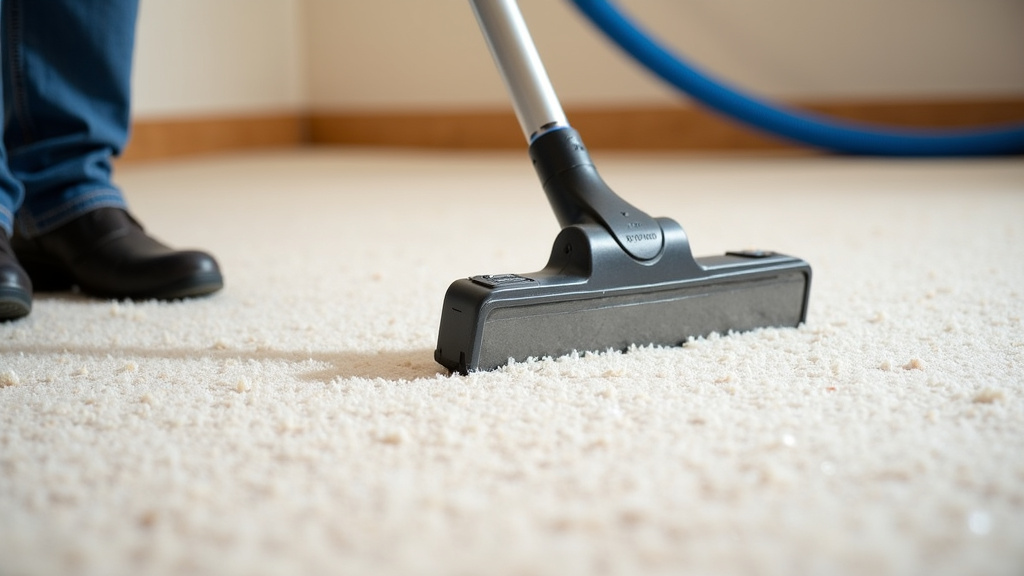
Using Your Carpet Cleaner Correctly
Sometimes, the way the machine is used can impact how well it extracts water. Simple adjustments in your cleaning technique can make a big difference.
Multiple Passes and Slow Movement
Are you rushing through your cleaning passes? Moving too quickly over the carpet doesn’t give the machine enough time to effectively suck up the water. Think of it like trying to mop a floor too fast – you just spread the water around.
What to do: Make sure you’re allowing the machine to work. After you push the cleaner forward (dispensing water), pull it back slowly while the suction is on. Then, make an extra “dry pass” going backward over the same area without dispensing any solution. This extra pass is key for removing as much moisture as possible. We found that slowing down your pulling motion, especially on the dry passes, really helps.
Don’t Over-Wet the Carpet
Using too much cleaning solution or too much water can saturate the carpet beyond the machine’s extraction capabilities. The cleaner can only remove so much liquid, no matter how powerful it is.
What to do: Follow the manufacturer’s recommended amount of cleaning solution. Avoid making excessive passes that dispense water on the same spot. If a particular area is heavily soiled, it’s better to tackle it with a pre-treatment spray than to drench it with the machine. Your goal is to clean, not to flood.
Check Your Cleaning Solution
Not all cleaning solutions are created equal. Some might create too many suds, which can clog filters and hoses, or even interfere with the suction motor. Others may not be formulated for your specific machine.
What to do: Always use a carpet cleaning solution specifically designed for carpet cleaning machines, and preferably one recommended by your machine’s manufacturer. Avoid using dish soap or laundry detergent, as these create excessive suds. If you suspect your solution is the problem, try using just plain water for a test pass to see if the extraction improves.
Here’s a quick checklist to get your carpet cleaner back in shape:
- Empty and rinse the dirty water tank completely.
- Check all hoses for visible clogs and clear them.
- Clean or replace the machine’s filter.
- Inspect the brush roll for tangled debris.
- Perform a “dry pass” after each wet pass.
- Use the correct cleaning solution for your machine.
Conclusion
It’s definitely frustrating when your carpet cleaner leaves your floors feeling soaked instead of clean. We’ve found that most of the time, this dampness isn’t a sign of a broken machine, but rather a simple issue needing a quick fix. Checking for clogged hoses, ensuring your recovery tank is empty and clean, and verifying your filter is clear are your best first steps. Sometimes, it’s just about adjusting your cleaning technique by making slower passes and adding an extra dry pass. By tackling these common culprits, you’ll get your carpet cleaner working efficiently again, leaving your home feeling dry and fresh.
Frequently Asked Questions
My carpet cleaner suddenly stopped sucking water. What’s the first thing I should check?
The most common reason for a sudden loss of suction is a full dirty water recovery tank. Your machine likely has a shut-off float that stops suction when the tank is full to prevent overflow. Emptying and rinsing this tank is usually the quickest solution.
Can using the wrong cleaning solution make my carpet too wet?
Yes, absolutely. Some solutions create too many suds, which can clog filters and hoses or even interfere with the motor’s performance, reducing water extraction. Always use a solution recommended for your specific machine model.
How often should I clean my carpet cleaner’s hoses?
You should check your hoses for clogs periodically, especially if you notice reduced suction. After each major cleaning session, or if you notice debris, it’s a good practice to inspect and flush them to prevent buildup.
My carpet cleaner is making a strange noise and not picking up water. What could be wrong?
Unusual noises like grinding or whining often point to an issue with the pump or motor, which are essential for suction. If you’ve ruled out clogs and tank issues, this might indicate a more serious mechanical problem requiring professional attention.
Is it okay to leave the dirty water tank slightly dirty between uses?
No, it’s best to rinse the dirty water tank after each use. Sediment can build up, potentially affecting the machine’s performance or even interfering with the auto-shutoff float mechanism, leading to less effective water extraction.
