
What Is The Most Powerful Vacuum Cleaner?
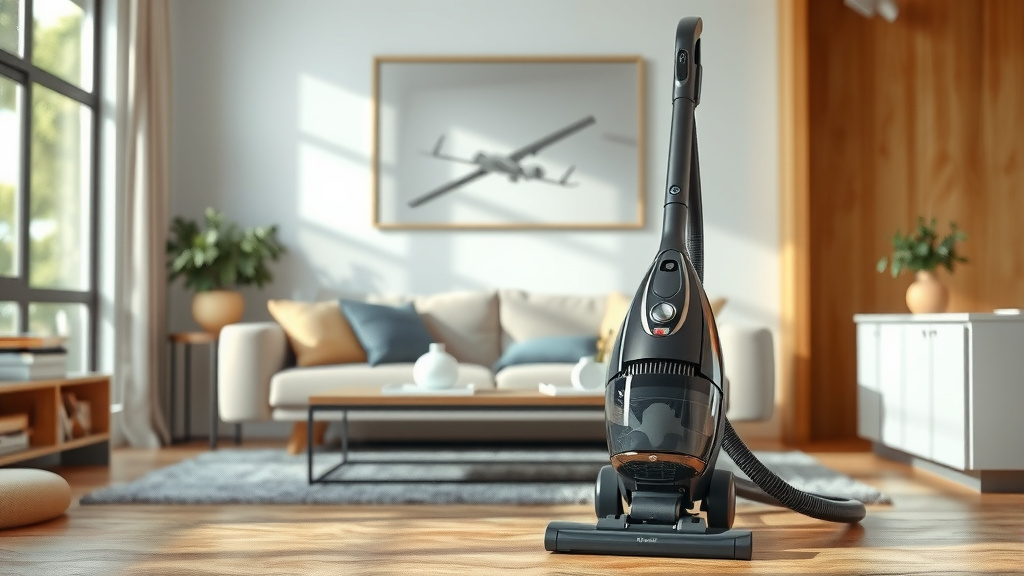
The most powerful vacuum cleaner isn’t defined by just one metric; it’s a careful blend of strong suction, efficient airflow, and effective brushroll agitation working in harmony to tackle dirt and debris.
While motor wattage plays a role, true vacuum power also comes from intelligent design that optimizes how air moves through the machine and how well it lifts embedded grime from various surfaces.
- Understanding a vacuum’s “power” involves more than just motor size; it’s about suction, airflow, and brush action.
- Different cleaning needs call for different types of powerful vacuums, from robust uprights to versatile canisters.
- Key factors like filtration, capacity, and specialized tools also contribute to a vacuum’s overall effectiveness.
- Maintaining your vacuum regularly helps ensure it operates at its peak power for longer.
What Is The Most Powerful Vacuum Cleaner?
The most powerful vacuum cleaner effectively removes dirt, dust, and allergens from your home. It skillfully balances brute force with thoughtful engineering.
True power means a machine that excels on various surfaces, offering deep cleaning without losing efficiency.
Beyond the Buzz: Deconstructing Vacuum Power
When you hear “powerful,” what comes to mind? For vacuums, it’s not just about a noisy motor. Think of it more like a sports car; speed isn’t just engine size, but also aerodynamics and traction.
A vacuum’s strength comes from several parts working together. Let’s break down these critical components.
Suction Power: The Vacuum’s Muscle
Suction power is often measured in Air Watts (AW) or Pascals (Pa). It shows how much force the vacuum can exert to lift debris.
High suction is especially vital for pulling dirt out of thick carpets or picking up heavier particles (cleaning industry reports).
Airflow: The Breath of the Beast
Airflow, often measured in Cubic Feet per Minute (CFM), is how much air the vacuum moves. Think of it as the vacuum’s “lungs.”
Great airflow allows the vacuum to carry debris quickly into the dirt bin. A vacuum with high suction but poor airflow might struggle with larger items.
Brushroll Agitation: The Secret Weapon
The brushroll, also known as the beater bar, is critical, particularly for carpets. It agitates carpet fibers, loosening embedded dirt, pet hair, and crumbs.
Without proper agitation, even strong suction might just skim the surface. Many experts emphasize its role in deep cleaning (consumer organization findings).
The Contenders: Which Vacuum Types Pack a Punch?
Different vacuum designs offer various levels of power and versatility. Your choice depends on your specific cleaning battleground.
Are you battling pet hair, crumbs, or invisible allergens? Let’s consider the top contenders.
Upright Vacuums: The Carpet Kings
Upright vacuums are often considered the most powerful for carpeting. Their design typically places the motor and brushroll closer to the floor, optimizing agitation.
They excel at deep cleaning large carpeted areas and often come with wide cleaning paths.
Canister Vacuums: Versatile Powerhouses
Canister vacuums separate the motor from the cleaning head, offering incredible versatility. They combine strong suction with a wide array of attachments.
This design makes them powerful on both carpets and hard floors, and perfect for cleaning stairs, upholstery, and curtains.
Stick Vacuums: Surprisingly Mighty
Modern stick vacuums, especially cordless models, have made huge strides in power. While not matching the largest uprights, some high-end models offer surprisingly strong suction and effective brushrolls.
They are fantastic for quick clean-ups and smaller homes, offering convenience without sacrificing too much power.
Robotic Vacuums: Smart, Not Always Strongest
Robotic vacuums offer unmatched convenience. Their power lies in consistent, automated cleaning. They are generally less powerful than traditional vacuums in terms of raw suction and agitation.
However, their ability to clean daily prevents dirt buildup, making them effective over time.
Choosing Your Powerhouse: What Matters to You?
Finding the “most powerful” isn’t a one-size-fits-all quest. It’s about finding the most powerful solution for your home’s unique needs.
Think about your flooring, family members, and common messes.
Here’s a quick guide to help you decide:
- Pet Owners: You’ll need a vacuum with exceptional brushroll agitation and strong suction to tackle pet hair. Look for models with specialized pet tools.
- Allergy Sufferers: High-efficiency Particulate Air (HEPA) filtration is a must. This captures tiny particles that trigger allergies.
- Hardwood Floors: You need a vacuum with adjustable suction and a gentle brushroll or a dedicated hard floor attachment to avoid scratches.
- Thick Carpets: A powerful brushroll with height adjustment and high suction is essential for deep cleaning these surfaces.
- Small Spaces: Consider a powerful stick or compact canister for maneuverability without sacrificing too much cleaning ability.
The Power Checklist: Your Buying Guide
Before you commit, consider these points. It’s like having a mechanic inspect a car before you buy it.
This checklist helps ensure you pick a vacuum that truly meets your needs for power and performance.
- Does it have good Air Watts and CFM ratings?
- Is the brushroll effective and adjustable?
- Does it offer a HEPA filter for allergens?
- Is the dustbin capacity sufficient for your home size?
- Are there specialized tools for your specific needs (e.g., pet hair, crevices)?
- Is it easy to maneuver and store?
Maintaining Your Vacuum’s Peak Performance
Even the most powerful vacuum can lose its edge without proper care. Think of it like tuning up your car; regular maintenance keeps it running smoothly.
Simple steps ensure your vacuum continues to perform at its best.
Regular Filter Cleaning and Replacement
A clogged filter severely restricts airflow, drastically reducing suction. Check your manual for how often to clean or replace filters.
This is perhaps the simplest yet most overlooked step in maintaining power.
Brushroll and Hose Checks
Hair, string, and debris can get tangled in the brushroll, preventing it from spinning effectively. Similarly, clogs in the hose choke off airflow.
Regularly inspect and clear these areas to maintain powerful agitation and suction.
Here’s a quick comparison of popular vacuum types:
| Vacuum Type | Primary Strength | Best For | Considerations |
|---|---|---|---|
| Upright | Deep carpet cleaning | Homes with lots of carpet, pet owners | Heavier, less versatile on stairs |
| Canister | Versatility, strong suction | Mixed flooring, upholstery, stairs | Can be bulky to store, hose can snag |
| Cordless Stick | Convenience, quick cleanups | Smaller homes, hard floors, daily tidying | Limited run time, smaller dustbin |
Conclusion
Defining the “most powerful vacuum cleaner” isn’t about finding a single machine with the highest numbers. Instead, it’s about identifying the vacuum that brings the most effective combination of suction, airflow, and brush action to your unique cleaning challenges.
By understanding these key factors and matching them to your home’s needs, you can confidently choose a vacuum that feels truly powerful. It will make your cleaning tasks not just easier, but far more effective. Happy cleaning!
What is the difference between Air Watts and CFM?
Air Watts (AW) measure the effective power, showing how well a vacuum uses air flow and suction together. CFM (Cubic Feet per Minute) measures airflow, which is the volume of air the vacuum moves. A powerful vacuum needs both high AW and CFM for optimal performance.
Can a cordless stick vacuum be as powerful as a corded upright?
Generally, a corded upright vacuum will offer more consistent, higher raw power due to a direct, unlimited power source. However, modern high-end cordless stick vacuums have significantly closed the gap, offering impressive power for daily tasks and even deep cleaning in smaller areas, especially with specialized turbo brushes.
How important is filtration for a powerful vacuum?
Filtration is extremely important, not just for power but for air quality. A good filtration system, especially HEPA, ensures that dust and allergens picked up by the powerful suction are trapped inside the vacuum and not released back into your home. Poor filtration can also eventually reduce a vacuum’s suction power over time if the filters become too clogged.
Does a vacuum cleaner’s weight affect its power?
A vacuum’s weight doesn’t directly affect its suction or motor power. However, heavier vacuums (like some uprights) can sometimes feel more powerful because their weight contributes to pressing the brushroll into carpets, enhancing agitation. Lighter vacuums might require more passes for the same result, but can be much easier to maneuver.
Is a higher wattage motor always better for power?
Not necessarily. While a higher wattage motor can generate more potential power, the actual cleaning power depends on the vacuum’s overall design, including airflow efficiency, nozzle design, and brushroll effectiveness. A well-designed lower wattage vacuum can sometimes outperform a poorly designed higher wattage one.
