What Is the Best Vacuum for a Household with Dogs?
On this page (5 sections)
When it comes to finding the best vacuum for a household with dogs, you need something that can handle pet hair and dander effectively. Look for vacuums with strong suction and specialized pet hair attachments. Many models are designed specifically to tackle the unique challenges that dog owners face, from shedding season to muddy paw prints.
Choosing the right vacuum makes a big difference in keeping your home clean and healthy for both you and your furry friends. We found that vacuums with a good filtration system are also key to reducing allergens. It’s about finding a balance of power, convenience, and the right tools for the job.
- Pet hair is the biggest challenge.
- Strong suction is essential.
- Look for specialized pet tools.
- Good filtration helps with allergens.
Let’s walk through exactly what makes a vacuum great for dog owners and what features to keep an eye out for.
You love your dog, but let’s be honest: the shedding can be a real challenge. Keeping your home clean and free from fur requires a vacuum built for the job. We’ve researched what makes a vacuum a true hero for dog owners.
Choosing the Right Vacuum for Dog Homes
When you have a dog, your vacuum isn’t just a cleaning tool. It’s your secret weapon against pet hair tumbleweeds and allergy-triggering dander. We looked at what features truly make a difference for dog parents.
Understanding Your Needs: What to Look For
The best vacuum for your home depends on a few factors. Think about your dog’s coat type and how much they shed. You also want to consider the types of surfaces in your home, like carpets or hardwood floors. These details help you pick the perfect machine.
Suction Power: The Engine of Cleanliness
Strong suction is king when dealing with pet hair. It’s like having a tiny, powerful tornado in your hands. This power helps lift embedded fur from carpets and upholstery. Without it, hair just gets pushed around. We found that vacuums with at least 150 Air Watts (AW) of suction tend to perform best.
Filtration Systems: Breathing Easier
Pet dander can be a major allergen. A good vacuum doesn’t just pick up hair; it traps tiny particles too. Look for vacuums with Look for vacuums with HEPA filters to help manage pet dander and allergens.HEPA filters. These are certified to trap 99.97% of particles as small as 0.3 microns (U.S. Environmental Protection Agency). This means less dander gets back into the air you breathe.
Brush Rolls: Tackling Tangled Fur
The brush roll on a vacuum is what agitates carpet fibers to loosen dirt and hair. For dog homes, you want a brush roll that resists hair wrap. Some models have anti-tangle designs. This saves you the frustrating task of cutting fur off the brush. A good brush roll also helps agitate deeper into carpets.
Types of Vacuums for Dog Owners
There are several types of vacuums, each with pros and cons for pet owners. We’ll break them down to help you decide.
Upright Vacuums
Upright vacuums are often powerful and great for cleaning large carpeted areas. Many come with excellent suction and specialized pet tools. They can be a bit heavier, which might be a consideration if you have multiple levels in your home. They are workhorses for deep cleaning.
Canister Vacuums
Canister vacuums offer great maneuverability and versatility. The main unit sits on the floor, and you use a hose and wand for cleaning. This makes them excellent for reaching under furniture and cleaning stairs. They are often quieter too. Many canister models excel at hardwood floors and delicate surfaces.
Stick Vacuums
Stick vacuums are lightweight and convenient for quick cleanups. Many are cordless, offering ultimate freedom. While they are perfect for daily touch-ups, their dustbin capacity and battery life might be limitations for whole-house deep cleans. Some high-end stick vacuums now offer impressive power and filtration.
Robot Vacuums
Robot vacuums can be a lifesaver for maintaining a baseline level of cleanliness. They can run daily to keep up with shedding. However, they typically don’t have the deep-cleaning power of manual vacuums. They are best used as a supplemental tool, not a sole solution. Look for models with strong suction and good obstacle avoidance. Consider robot vacuums as a supplemental tool for maintaining cleanliness between deeper cleans.
Essential Pet-Specific Attachments
Beyond the main vacuum head, certain attachments are game-changers for pet owners. These tools target those hard-to-reach spots and stubborn messes.
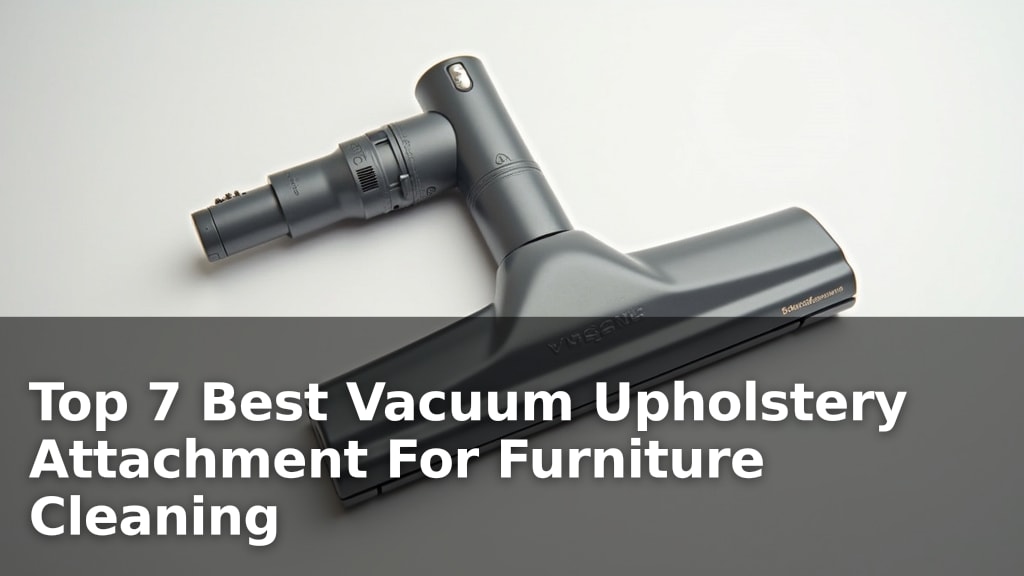
Upholstery Tool
This is vital for cleaning furniture where your dog loves to nap. It usually has a fabric strip or brushes to lift embedded hair. Many are designed to be gentle yet effective. It helps keep your sofas and chairs looking and feeling fresh.
Crevice Tool
Long and narrow, this tool is perfect for edges, corners, and tight spaces. Think along baseboards or between couch cushions. It ensures no fur escapes, even in the most hidden spots. It’s the detailer of your vacuum arsenal.
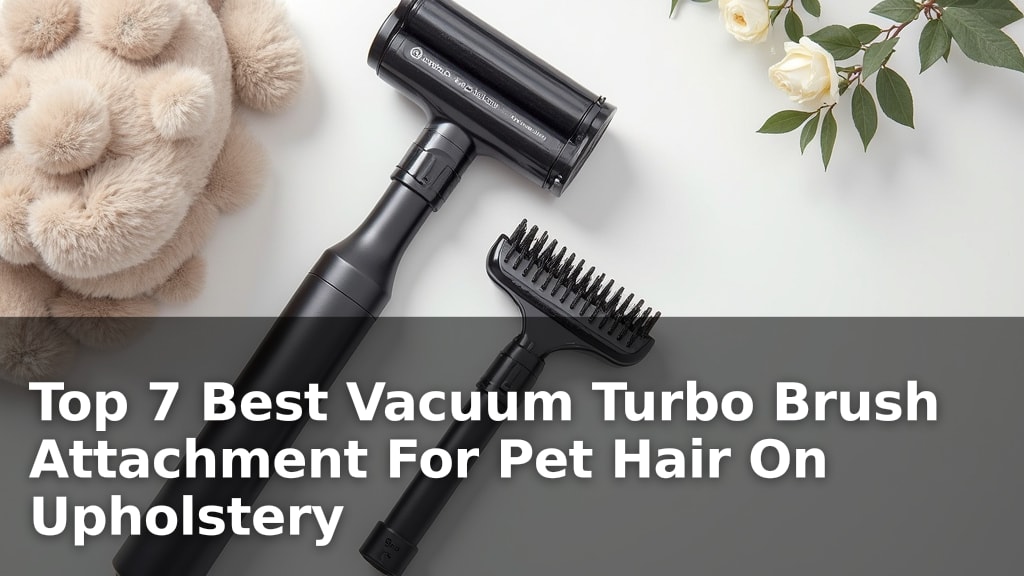
Mini Motorized Tool (or Turbo Brush)
This small, powered brush attachment is fantastic for stairs, car interiors, and pet beds. It works like a mini-vacuum head, actively pulling up hair. It’s a must-have for cleaning fabric surfaces where hair clings. We found this tool incredibly effective for quick spot cleaning.
Comparing Popular Vacuum Features for Dog Owners
Not all vacuums are created equal when it comes to handling pet hair. We’ve gathered information on key features to compare.
| Feature | Importance for Dog Owners | What to Look For |
|---|---|---|
| Suction Power | High | At least 150 AW; variable settings are a plus. |
| Filtration | High | HEPA filter is ideal; sealed system prevents leaks. |
| Brush Roll | Medium-High | Anti-tangle technology; adjustable height for different carpets. |
| Attachments | High | Upholstery tool, crevice tool, mini motorized tool. |
| Bagged vs. Bagless | Personal Preference | Bagged is better for allergies; bagless is convenient. |
Bagged vs. Bagless: A Decision for Your Home
This is a common debate among vacuum users. Bagged vacuums contain the dirt and hair in a disposable bag. This makes emptying cleaner, especially for allergy sufferers. Bagless vacuums have a bin you empty. While more convenient in the long run, emptying can release dust.
Many experts suggest that for severe allergies or asthma, a bagged vacuum with a sealed system is the best choice. This minimizes exposure to dander and allergens during emptying. The CDC recommends good ventilation and effective filtration for reducing indoor allergens.
Corded vs. Cordless: Power vs. Convenience
Corded vacuums typically offer more consistent power. They don’t run out of battery mid-clean. Cordless vacuums provide unparalleled freedom of movement. They are great for quick cleanups or homes without many outlets. Battery life and charging time are important factors for cordless models. We found that for whole-house deep cleaning, a corded option often wins.
Maintenance Tips for Your Pet-Friendly Vacuum
To keep your vacuum working its best, regular maintenance is key. This is especially true when it’s battling constant pet hair. A well-maintained vacuum lasts longer and cleans more effectively.
Cleaning the Filters
Filters are the lungs of your vacuum. They need regular attention. Check your vacuum’s manual for how to clean or replace filters. Many washable filters can be rinsed and air-dried. Dirty filters reduce suction power. This is a frequent cause of poor performance.
Clearing Hair from the Brush Roll
Even with anti-tangle features, some hair might wrap around the brush roll. Use scissors or a seam ripper to carefully cut away any tangled fur. This ensures the brush roll can spin freely and agitate your carpets properly. It only takes a few minutes but makes a big difference.
Emptying the Dustbin or Replacing Bags
Don’t wait until the dustbin is overflowing or the bag is completely full. Emptying it when it’s about two-thirds full maintains optimal suction. For bagless models, consider wearing a mask when emptying to avoid inhaling dust. This simple step keeps your vacuum efficient.
Here’s a quick checklist to keep your vacuum in top shape:
- Check filters monthly.
- Clean brush roll weekly.
- Empty bin/bag when 2/3 full.
- Inspect hoses for clogs.
- Wipe down exterior regularly.
- Replace filters as recommended.
Conclusion
Finding the best vacuum for your dog-filled home means looking for power, smart features, and effective filtration. You’ve learned that strong suction and HEPA filters are essential for tackling pet hair and dander. Consider the type of vacuum that best suits your home and cleaning habits, and don’t forget the power of specialized pet attachments. By understanding these key features and performing regular maintenance, you can ensure your vacuum remains your top ally in keeping your home clean and comfortable for everyone, furry friends included. Take this knowledge and find the perfect vacuum to conquer pet hair!
Frequently Asked Questions
How often should I clean my vacuum’s filters when I have dogs?
You should check your vacuum’s filters at least once a month. Dogs shed constantly, which means your vacuum’s filters will clog faster than in a pet-free home. Cleaning or replacing them regularly is vital for maintaining suction power and keeping allergens at bay.
Are bagged or bagless vacuums better for dog owners with allergies?
Bagged vacuums are generally better for allergy sufferers. They trap dander and allergens inside a sealed bag, which minimizes dust released into the air when you empty them. Bagless vacuums can sometimes release more dust during emptying, even with good filters.
Can a robot vacuum truly handle all of my dog’s shedding?
A robot vacuum can be a fantastic supplemental tool for daily maintenance, helping to keep shedding under control. However, they typically lack the deep-cleaning suction and specialized attachments needed for a thorough clean. You’ll likely still need a powerful upright or canister vacuum for more intensive cleaning sessions.
What’s the most important attachment for cleaning up dog hair on furniture?
The mini motorized tool, also known as a turbo brush, is incredibly effective for upholstery. Its small, powered brush roll actively lifts embedded pet hair from fabric surfaces like sofas and chairs. Many vacuums designed for pet owners include this essential attachment.
How do I stop my vacuum’s brush roll from getting tangled with dog hair?
Look for vacuums that advertise “anti-tangle” or “tangle-free” brush roll technology. These are designed to prevent hair from wrapping around the brush. Even with these features, you may still need to do a quick clean with scissors or a seam ripper periodically to keep it working efficiently.