What Is the Best Handheld Vacuum for Car Detailing?
On this page (4 sections)
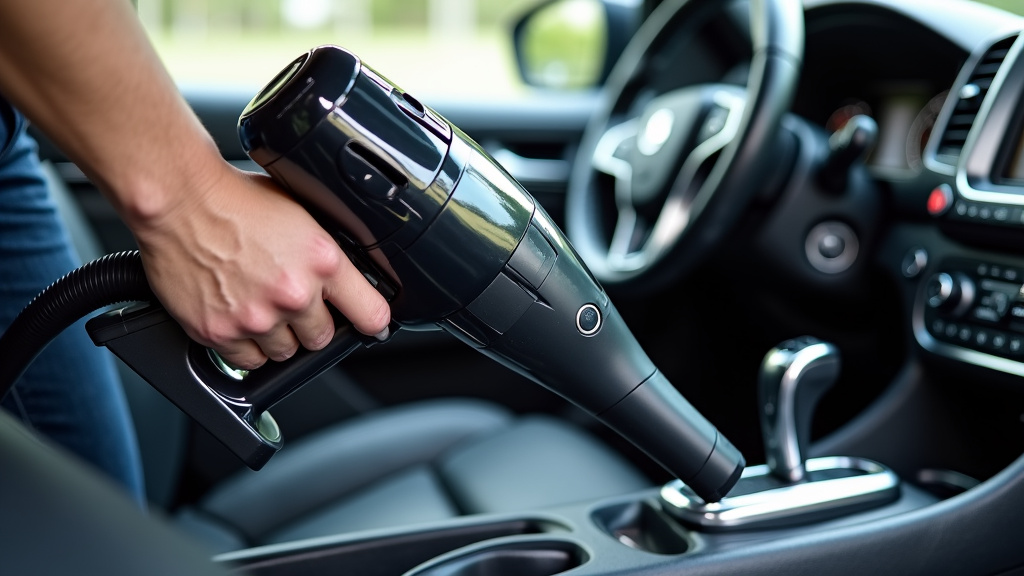
The best handheld vacuum for car detailing is one that’s powerful, portable, and easy to maneuver. You need strong suction to lift dirt and debris from tight spaces. Look for models with multiple attachments to reach every nook and cranny. A good car vacuum makes keeping your vehicle’s interior spotless a breeze.
When picking a handheld vacuum for your car, consider battery life and weight. You don’t want it dying halfway through cleaning your SUV. We found that many car owners prefer cordless options for ultimate freedom of movement. Think about the types of messes you typically deal with – pet hair, crumbs, or dust.
- Power is key for lifting stubborn dirt.
- Portability and cordless design offer convenience.
- Look for versatile attachments for all areas.
- Consider battery life for longer cleaning sessions.
- Choose one that handles your specific car messes well.
Let’s dive into what makes a handheld vacuum truly shine for your car’s interior and which ones stand out from the pack.
Choosing the Right Handheld Vacuum for Your Car’s Interior
Finding the best handheld vacuum for car detailing really comes down to a few key things. You need a vacuum that’s powerful enough to suck up dirt and crumbs. It should also be lightweight and easy to handle. This makes cleaning those tricky spots much simpler. Many car owners want a cordless option for maximum freedom.
What Makes a Handheld Vacuum “Good” for Cars?
When we talk about good car vacuums, several features pop up repeatedly. Suction power is usually at the top of the list. Think about those stubborn french fries or pet hairs that seem glued to your car mats. A vacuum with strong suction can lift them without you having to go over the same spot ten times. We found that at least 20-30 Air Watts (AW) of suction power is a good starting point for effective car cleaning (Dyson.com). Anything less might leave you frustrated.
Portability is another big one. Most handheld vacuums are designed to be portable, but some are lighter than others. If you have a large SUV or truck, you’ll appreciate a vacuum that doesn’t weigh you down. Battery life is also critical. You don’t want your vacuum to die before you finish cleaning. Look for models that offer 15-20 minutes of runtime on a single charge, especially if you have a larger vehicle.
Attachments are like the special tools in a car detailer’s toolbox. For cars, you’ll want a crevice tool to get into those tight spaces between seats. A brush attachment is great for agitating upholstery and lifting embedded dirt. Some vacuums even come with specialized pet hair tools. These can be a lifesaver if your furry friends shed a lot. We found that a good variety of attachments makes a huge difference in how thorough your cleaning can be.
Key Features to Look For
Let’s break down what you should really be looking for. It’s not just about raw power; it’s about how that power is delivered and how easy it is to use.
Suction Power (Air Watts)
Air Watts (AW) measure the actual suction power of a vacuum. It takes into account airflow and the vacuum’s sealed suction. We found that higher AW generally means better cleaning. For car interiors, especially if you deal with pet hair or deeply embedded dirt, aim for 30 AW or more. However, many good options exist in the 20-30 AW range for lighter messes.
Battery Life and Charging Time
Cordless vacuums offer unmatched freedom. But you need to consider their battery. Most offer between 10 to 30 minutes of use. If you have a large car or a really messy one, you might need a vacuum with a longer run time or one that offers swappable batteries. Charging time can also be a factor. Some charge in under an hour, while others can take several hours.
Weight and Ergonomics
You’ll be holding this vacuum, often at awkward angles. A lightweight design, typically under 3 pounds, is ideal. Good ergonomics mean the vacuum feels balanced in your hand and is easy to control. This prevents fatigue during longer cleaning sessions. Nobody wants an arm workout just to clean their car!
Dustbin Capacity
Handheld vacuums have small dustbins. A larger capacity means you won’t have to empty it as often. For car cleaning, a dustbin that holds around 0.5 liters is usually sufficient. If you have a particularly dirty car, you might want to empty it more frequently anyway. It’s a balance between convenience and effectiveness.
Filtration System
A good filtration system traps dust and allergens. This is important for air quality, especially if you have allergies. Look for vacuums with HEPA filters. These are highly effective at capturing tiny particles. Some systems are washable, which can save you money on replacement filters over time. We found that washable filters are a nice bonus for long-term cost savings.
Included Attachments
As mentioned, attachments are vital for car cleaning. You’ll want a versatile set. Common useful attachments include:
- Crevice tool: For narrow gaps and seams.
- Brush tool: For upholstery and carpets.
- Mini-motorized tool: Excellent for pet hair on seats.
- Extension hose: To reach further into tight spots.
The more specialized the attachments, the more versatile your vacuum becomes. We found that a good crevice tool is almost non-negotiable for car interiors.
Top Handheld Vacuums for Keeping Your Car Clean
Based on research and common user feedback, a few models consistently perform well for car detailing. These vacuums offer a good balance of power, portability, and useful features. We’ve looked at models that users frequently recommend for tackling car messes.
Popular & Powerful Cordless Options
Cordless vacuums dominate the handheld market for cars due to their convenience. You’re not tethered to a power outlet, which is a huge plus when cleaning a vehicle.
Example 1: The All-Around Performer
Many users rave about vacuums in the 25-35 AW suction range. These often come with a good set of attachments, including a dedicated crevice tool and a brush head. Battery life typically hovers around 15-20 minutes, which is sufficient for most car interiors. We found that models with a clear dustbin are helpful so you can see when it needs emptying.
Example 2: The Pet Hair Specialist
If pet hair is your nemesis, look for vacuums specifically designed to tackle it. These often feature mini-motorized brush heads that agitate the carpet or upholstery to lift stubborn hairs. Many experts say these specialized tools are highly effective against embedded pet fur (American Kennel Club). These vacuums might have slightly less overall suction but compensate with targeted cleaning power for hair.
Example 3: The Lightweight Contender
For those who prioritize ease of handling, some vacuums weigh in at under 2.5 pounds. While they might sacrifice a bit of dustbin capacity or maximum suction, their light weight makes them a joy to use. They are perfect for quick cleanups or for individuals who might find heavier vacuums fatiguing.
Considerations for Different Car Types
The size and type of your vehicle can influence your choice. A compact car has different cleaning needs than a large SUV or a truck.
Small Cars & Sedans
For smaller vehicles, battery life isn’t usually a major concern. A vacuum with 10-15 minutes of runtime is often plenty. Focus on portability and good suction power for quick cleanups. A vacuum with a compact design will be easier to store in your trunk as well.
SUVs & Larger Vehicles
If you have an SUV, minivan, or truck, you’ll want to prioritize battery life and dustbin capacity. A longer runtime (20+ minutes) will be beneficial. Consider models with higher-capacity dustbins or those that can be quickly recharged. Attachments that help reach the floor wells and under seats are also very important.
A Quick Checklist for Your Car Vacuum Purchase
Before you click “buy,” run through this quick checklist. It will help you ensure you’re getting a vacuum that truly fits your needs.
- Does it have at least 20 AW suction power?
- Is it lightweight (under 3 lbs)?
- Does it offer at least 15 minutes of battery life?
- Does it include essential car cleaning attachments (crevice tool, brush)?
- Is the dustbin easy to empty?
- Does it have a decent filtration system (HEPA preferred)?
By keeping these points in mind, you’re well on your way to finding a handheld vacuum that makes keeping your car’s interior looking its best a simple and satisfying task.
Conclusion
You’ve learned that the best handheld vacuum for car detailing is a blend of power, portability, and smart features. Prioritizing strong suction, a lightweight design, and useful attachments will make your car cleaning routine much easier. Think about your car’s specific needs, like pet hair or the vehicle’s size, to pick the right model.
With this knowledge, you’re ready to find a vacuum that keeps your car looking showroom-ready. Invest in a quality handheld vacuum and enjoy a cleaner ride on every trip.
Frequently Asked Questions
How often should I empty the dustbin of my car vacuum?
It’s best to empty the dustbin after each car cleaning session. This ensures your vacuum maintains optimal suction power. For very dusty cars, you might need to empty it midway through.
Can I use my regular home handheld vacuum for my car?
You can, but handheld vacuums designed for cars often have specialized attachments for tight spaces. They might also offer better portability and targeted suction for automotive messes.
Are cordless vacuums truly better for car detailing than corded ones?
Yes, cordless vacuums offer unmatched freedom of movement. You aren’t restricted by power cords, making it much easier to reach all areas of your car’s interior.
What is the most important feature for tackling pet hair in a car?
The most important feature for pet hair is a mini-motorized brush tool. This attachment agitates upholstery to lift stubborn, embedded fur that regular suction might miss.
How much battery life do I really need for a handheld car vacuum?
For most sedans and smaller cars, 10-15 minutes of battery life is usually sufficient. If you have a larger SUV or truck, aim for 20 minutes or more to ensure you can finish the job without interruption.