What Is the Best Carpet Cleaner for Pet Urine?
On this page (7 sections)
When it comes to tackling pet urine stains, the best carpet cleaner is often an enzymatic formula. These cleaners use special enzymes to break down the odor-causing proteins in pet accidents. They don’t just mask the smell; they actually eliminate it, which is key for repeat offenders. Look for products specifically labeled for pet stains and odors.
Pet urine can be a real challenge for any carpet owner. The smell can linger, and stains can set in if not treated properly. Many regular cleaners just push the problem deeper into the carpet fibers. Finding a cleaner that effectively neutralizes odors is important for a fresh-smelling home and preventing your pet from returning to the same spot. We researched many options to find the most effective solutions.
- Enzymatic cleaners are generally best for pet urine.
- They break down odor-causing proteins, not just mask them.
- Look for products labeled specifically for pet stains.
- Act quickly for the best chance of stain removal.
- Always test cleaners in an inconspicuous spot first.
Let’s dive into what makes certain cleaners stand out and help you choose the right one for your furry friend’s mishaps.
Dealing with pet urine on your carpet can feel like a never-ending battle. You love your pets, but their little accidents can leave behind unwelcome odors and stains. Finding the right cleaner is key to restoring your home’s freshness and preventing those spots from becoming a repeat offender’s favorite potty patch.
Choosing the Right Carpet Cleaner for Pet Stains
The best approach involves cleaners that tackle the root cause of the smell. We researched many solutions to help you make the best choice for your home and your furry family.
Why Regular Cleaners Fall Short
You might think any household cleaner will do the trick. Unfortunately, most general carpet cleaners aren’t designed for the unique challenges of pet accidents. They often clean the surface layer of the stain. But the real problem—the odor-causing proteins—can stay deep in the carpet fibers. This means the smell might return, especially on humid days. It’s like putting a bandage on a deeper wound. Your pet might still smell the lingering odor, encouraging them to mark the same spot again.
The Power of Enzymatic Cleaners
This is where enzymatic cleaners truly shine. These formulas contain beneficial enzymes and live bacteria. These natural agents work by consuming the organic matter that causes pet odors. Think of them as tiny cleaning crews that break down the stain and smell at a molecular level. They don’t just mask the odor; they eliminate it. This is crucial for preventing repeat accidents. By removing the scent entirely, you help deter your pet from returning to the same area.
When selecting an enzymatic cleaner, look for labels that specifically mention “pet urine,” “pet stains,” or “enzymatic action.” This ensures the product is formulated to handle the specific proteins found in pet waste. We found that cleaners designed for this purpose are generally the most effective. They are formulated to handle ammonia, uric acid, and other compounds that make pet urine so stubborn.
Understanding Other Cleaner Types
While enzymes are often king, other types of cleaners exist. Some cleaners use oxidizers. These work by releasing oxygen molecules to break down stains and odors. They can be effective for general cleaning and some fresh stains. However, they may not always fully eliminate the deep-seated odor molecules from urine as well as enzymatic cleaners. Some cleaners rely on surfactants. These are detergents that help lift dirt and stains from the carpet. They can help with the visible part of a stain but often do little for the underlying odor.
There are also deodorizers that just mask smells. These might make your room smell better for a short time. But they don’t actually remove the source of the odor. For pet urine, this is usually a temporary fix at best. You want a cleaner that offers a long-term solution, not just a quick cover-up. We found that products focusing solely on masking odors are generally not recommended for pet urine.
Key Features to Look for in a Pet Urine Cleaner
When you’re shopping, a few key features can help you pick a winner. Knowing what to look for can save you time and money.
Targeted Formulation for Pet Stains
This is non-negotiable. A product designed for pet urine will be far more effective than a general-purpose cleaner. These formulas are specifically engineered to break down the complex molecules in pet waste. This includes ammonia, uric acid, and proteins. Regular cleaners might remove the visible stain but leave the odor-causing components behind. Your pet’s sensitive nose can still detect these, leading to re-soiling.
Odor Elimination, Not Just Masking
We can’t stress this enough: true odor elimination is the goal. If a cleaner simply covers up the smell with a strong fragrance, it’s not doing the job. The odor will eventually return, often stronger than before. Look for terms like “odor eliminator” or “neutralizer.” Enzymatic cleaners excel here. They work to break down the odor at its source. This leaves your carpet truly fresh.
Stain-Fighting Power
Beyond odor, you want to remove the stain itself. Some cleaners are better at lifting tough stains than others. Consider the type of carpet you have. Some cleaners might be too harsh for delicate fibers. We found that cleaners that are tough on stains but gentle on carpets are the best bet. Always check the product label for recommended carpet types.
Ease of Use
Cleaning up pet accidents shouldn’t be a complicated chore. Look for cleaners that are easy to apply. Spray bottles are common and convenient. Some might require blotting, while others can be worked into the carpet. A good cleaner should be straightforward to use, even if you’re not a cleaning expert.
Safety for Pets and People
Your pet’s health and your family’s well-being are important. Choose cleaners made with pet-safe ingredients. Avoid harsh chemicals that could be harmful if ingested or inhaled. Many enzymatic cleaners are natural and non-toxic. This gives you peace of mind. Always follow the manufacturer’s instructions for safe use. We recommend looking for products that are certified safe for use around pets and children.
How to Properly Use a Pet Urine Carpet Cleaner
Even the best cleaner won’t work wonders if you don’t use it correctly. Proper application is key to success.
Act Fast: The Sooner, The Better
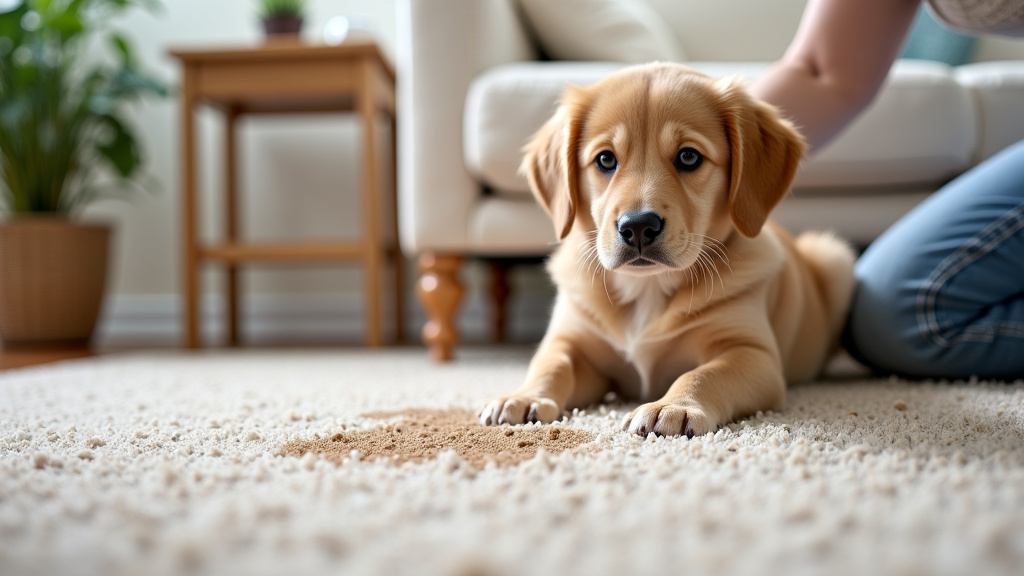
Fresh accidents are always easier to clean than old ones. As soon as you discover a spot, grab your cleaner. The longer urine sits on the carpet, the deeper it penetrates the fibers and padding. It also has more time to dry and set, making it harder to remove. Blot up as much of the liquid as possible with clean towels before applying any cleaner.
Saturate the Area – Really Saturate It!
This is a common mistake. Many people don’t use enough cleaner. For enzymatic cleaners to work effectively, they need to reach all the areas the urine has penetrated. This often means going deeper than just the surface. You want the cleaner to soak into the carpet fibers and reach the padding if necessary. Don’t be afraid to use a generous amount. You can always blot up excess liquid later.
Allow Adequate Dwell Time
Enzymatic cleaners need time to work their magic. They don’t work instantly. The enzymes and bacteria need time to break down the odor-causing molecules. Most product instructions will recommend a dwell time, often several hours or even overnight. Some manufacturers suggest covering the area with a damp cloth or plastic wrap to keep it moist and active.
Blot, Don’t Rub
After the dwell time, blot the area gently with clean towels. Rubbing can spread the stain and damage carpet fibers. Blotting helps lift the moisture and the broken-down residue from the carpet. Work from the outside of the stain inward to avoid spreading it.
Air Dry Completely
Allow the carpet to air dry completely. You can speed this up with fans. Avoid walking on the area until it’s dry. Once dry, vacuum the carpet to help restore its texture. We found that ensuring the area dries thoroughly helps prevent mold or mildew growth.
Tips for Tackling Tough or Old Stains
Sometimes, you find a stain days or even weeks later. These can be tougher, but not impossible.
Repeat Applications May Be Needed
For older or very deep stains, one application might not be enough. You may need to repeat the cleaning process. Follow the manufacturer’s instructions for reapplication. Sometimes, a second or third treatment can finally break down the stubborn odor and stain.
Consider a Carpet Cleaning Machine
For large areas or persistent stains, a carpet cleaning machine (often called a carpet extractor) can be a lifesaver. Many machines come with specialized pet stain attachments. You can use a pet-specific cleaner in the machine. These machines spray the cleaning solution deep into the carpet and then extract the dirty water. This powerful action can lift even deeply set stains and odors.
Test in an Inconspicuous Area First
Before applying any cleaner to a visible spot, always test it on a small, hidden area of your carpet. This could be inside a closet or under a piece of furniture. This ensures the cleaner won’t discolor or damage your carpet fibers. We found this step is crucial for avoiding bigger problems.
When to Call the Professionals
If you’ve tried everything and the smell or stain persists, it might be time to call in the pros. Professional carpet cleaners have powerful equipment and specialized cleaning solutions. They can often tackle issues that are beyond DIY methods. They can also address stains that have penetrated the carpet padding and even the subfloor.
Here’s a quick checklist to help you on your cleaning journey:
- Always use an enzymatic cleaner designed for pet urine.
- Act quickly to blot up fresh accidents.
- Saturate the stained area thoroughly.
- Allow adequate dwell time for the cleaner to work.
- Blot, don’t rub, when removing excess moisture.
- Test cleaners in an hidden spot before full use.
Conclusion
Tackling pet urine stains and odors can feel like a tough challenge. We’ve found that enzymatic cleaners are your best allies in this fight. They go beyond masking smells by actually breaking down the odor-causing molecules. Remember to act fast, saturate the area well, and give the cleaner enough time to work. You’ve got this!
By following these steps and choosing the right product, you can restore your carpets and keep your home smelling fresh for everyone. Happy cleaning!
Frequently Asked Questions
How often should I use an enzymatic cleaner for pet accidents?
For fresh accidents, use the cleaner immediately. For lingering odors or older stains, you may need to repeat the application process as directed by the product’s instructions. We found that consistent treatment is key for complete odor removal.
Can I use a regular carpet shampooer with an enzymatic cleaner?
Some carpet cleaning machines are compatible with enzymatic cleaners, but it’s essential to check both the machine’s manual and the cleaner’s label. Not all machine formulas are designed to work with enzymes, and some can inactivate them.
Will enzymatic cleaners damage my carpet?
Generally, no. Enzymatic cleaners are designed to be safe for most carpet types. However, it’s always wise to test the cleaner on an inconspicuous area first to ensure it doesn’t cause discoloration or damage to your specific carpet fibers.
How do I know if the odor is completely gone?
The best indicator is your own nose! If you can no longer detect any pet-related odors after the carpet has dried completely, the cleaner has likely done its job. For repeat offenders, ensuring the odor is fully eliminated is vital to prevent them from returning to the same spot.
What’s the difference between a pet stain remover and a general odor eliminator?
Pet stain removers are formulated to break down the specific proteins found in urine and feces, tackling both stains and odors. General odor eliminators might mask smells but don’t always address the root cause of pet odors. We recommend cleaners specifically labeled for pet urine for the best results.