What Is a Self Emptying Robot Vacuum?
On this page (3 sections)
A self-emptying robot vacuum is a type of robot vacuum that can automatically empty its dustbin into a larger container on its charging dock. This means you don’t have to manually empty the small bin after every cleaning cycle, making your cleaning routine much more hands-off and convenient.
We found that these smart devices typically return to their charging station, which also functions as an auto-empty base, to transfer collected debris. This innovation greatly extends the time between needing to interact with your vacuum, offering a significant upgrade in household automation. Think of it as a little helper that cleans up after itself!
TL;DR:
- Self-emptying robot vacuums empty their own dustbins.
- They use a special charging dock to store collected debris.
- This feature reduces how often you need to interact with the vacuum.
- It offers a more automated and convenient cleaning experience.
Ready to discover how these clever gadgets work their magic? Let’s walk through exactly what makes a self-emptying robot vacuum so useful in your home.
Understanding Self-Emptying Robot Vacuums
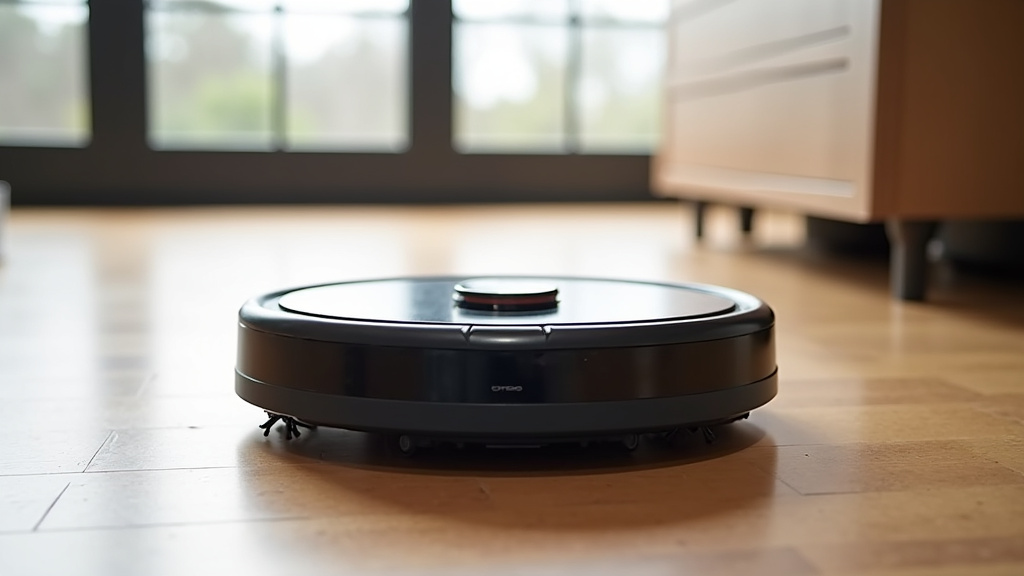
A self-emptying robot vacuum is a smart cleaning device that takes automation a step further. It combines the convenience of a robot vacuum with the added benefit of automatically disposing of collected debris. This means less manual interaction for you.
You might be wondering, how does this clever device actually work its magic? We found that the core innovation lies in its self-emptying vacuum bases, which doubles as a waste disposal unit.
The Core Mechanism: How They Self-Empty
Imagine your robot vacuum finishing its cleaning run. Instead of beeping for you to empty its tiny dustbin, it gracefully glides back to its home base. But this isn’t just any charging station; it’s a smart disposal hub.
When the robot docks, a powerful suction mechanism activates. This system pulls the dirt, dust, and pet hair from the robot’s onboard dustbin directly into a much larger, sealed bag or container within the base. It’s like a mini-tornado sucking up all the grime.
The Suction Process
The vacuum base typically uses a powerful motor to create a strong airflow. This airflow generates a vacuum effect, drawing contents from the robot’s dustbin. It’s designed to be quick and efficient, usually taking only a few seconds.
This process ensures that even larger debris or clumps of pet hair are successfully transferred. We found that the sound can be a bit loud during this brief emptying cycle, but it’s often compared to a regular upright vacuum running for a short burst.
Dustbin and Base Design
The robot vacuum itself still has an internal dustbin, but it’s designed with an opening that aligns perfectly with a port on the self-empty base. This precise alignment is crucial for an effective transfer of debris.
The base, on the other hand, houses a larger disposable bag or a reusable bin. These bags can hold several weeks, sometimes even months, worth of dirt, depending on your cleaning frequency and home size. This design truly minimizes your interaction.
Key Components of a Self-Emptying System
To understand these devices fully, it helps to know their main parts. Each component plays a vital role in the overall convenience and functionality you experience.
- The Robot Vacuum Unit: This is the mobile part that cleans your floors. It contains sensors, brushes, and a smaller internal dustbin.
- The Self-Emptying Base: This stationary unit serves as both the charging station and the automatic debris collector.
- Disposable Dust Bags or Reusable Bins: These are stored within the base and hold the collected dirt. Many models use bags for mess-free disposal, while others offer bagless options.
- Powerful Suction Motor (in the base): This motor is responsible for extracting the debris from the robot’s bin.
- Docking and Communication System: Sensors and software ensure the robot accurately finds its way back to the base and initiates the emptying process.
Benefits of Choosing a Self-Emptying Robot Vacuum
Why should you consider upgrading to one of these advanced cleaners? The advantages primarily revolve around enhanced convenience and automation.
Reduced Manual Intervention
This is arguably the biggest benefit. You no longer have to empty the robot’s small dustbin every day or after every cleaning cycle. We found that users especially appreciate this feature if they have pets or suffer from allergies.
Imagine going weeks without thinking about your vacuum’s dustbin. This freedom means you can truly set it and forget it, letting the robot handle the dirty work while you focus on other things.
Improved Hygiene and Allergy Management
When you empty a traditional robot vacuum, you often expose yourself to dust and allergens. The self-emptying base contains this mess within a sealed bag. This means you aren’t breathing in airborne particles as frequently.
For allergy sufferers, this can be a significant improvement. Many experts say that reducing exposure to dust and pet dander can alleviate allergy symptoms (Asthma and Allergy Foundation of America).
Less Frequent Maintenance
Since the base holds much more debris, you only need to change the bag or empty the bin every few weeks or months. This saves you time and keeps your hands cleaner.
Think of it as having a mini-landfill for your robot’s dirt, away from your daily view. This extended maintenance interval is a game-changer for many busy households.
Considerations Before Buying
While self-emptying robot vacuums offer great convenience, there are a few things to keep in mind before you make a purchase.
Initial Cost and Running Expenses
These models tend to have a higher upfront cost than standard robot vacuums. You’re paying for advanced technology and greater convenience. Also, if your model uses disposable bags, you’ll have an ongoing cost for replacements.
Consider this as an investment in your time and comfort. The extra cost might be worth it for the hands-free experience you gain.
Space Requirements for the Base
The self-emptying base is larger than a standard charging dock. It needs a dedicated spot where the robot can easily dock and where the base itself won’t be an obstruction. Make sure you have enough space for it.
We’ve noticed that many bases are designed to be relatively compact for their function, but they still require more floor space than a simple charger.
Noise Level During Emptying
The emptying process, while brief, can be loud. It’s a powerful suction motor at work. If you’re sensitive to noise, you might want to schedule cleanings and emptying cycles for when you’re out of the house or during times when noise isn’t an issue.
Think of it like running a blender for 10-20 seconds. It’s quick, but noticeable.
Is a Self-Emptying Robot Vacuum Right for You?
To help you decide, let’s consider who benefits most from these devices. You might find yourself nodding along to some of these points.
Consider a self-emptying robot vacuum if:
- You dislike emptying small, dusty bins.
- You have pets that shed a lot of hair.
- You suffer from allergies or asthma.
- You want the most hands-off cleaning experience possible.
- You have a busy lifestyle and value time-saving gadgets.
- You’re willing to invest more for advanced home automation.
If these points resonate with you, a self-emptying model could truly enhance your home cleaning routine.
Comparing Self-Emptying vs. Traditional Robot Vacuums
Let’s look at a quick comparison to highlight the main differences. This will help you weigh the pros and cons for your own needs.
| Feature | Self-Emptying Robot Vacuum | Traditional Robot Vacuum |
|---|---|---|
| Dustbin Emptying | Automatic (into larger base) | Manual (after each run or when full) |
| Frequency of Interaction | Low (weeks/months) | High (daily/every other day) |
| Base Size | Larger (contains debris storage) | Small (charging only) |
| Upfront Cost | Higher | Lower |
| Ongoing Costs | Possible (for bags) | Generally none (reusable bin) |
| Hygiene Factor | Improved (less dust exposure) | Standard (direct dust exposure) |
As you can see, the main trade-off is often cost versus convenience. Both types of vacuums clean your floors, but one significantly reduces your direct involvement with the collected dirt.
Maintenance Beyond Emptying the Bin
Even with automatic emptying, your robot vacuum still needs some care. It’s not entirely maintenance-free, just mostly hands-off for the dirt collection.
Cleaning Brushes and Filters
You’ll still need to periodically clean the robot’s brushes to remove tangled hair and debris. Filters also need to be cleaned or replaced to maintain optimal suction and air quality. These are standard maintenance tasks for all robot vacuums.
Think of it like changing the oil in your car; it’s essential for longevity and performance, even if you don’t fill it with gas every day.
Sensor Cleaning
The robot’s sensors can get dusty or dirty, affecting its navigation. Wiping these down with a soft cloth every few weeks will help your robot move smoothly and avoid obstacles. This ensures it cleans effectively without bumping into everything.
A clean sensor helps your robot see the world clearly, much like clear glasses help you.
Future of Self-Emptying Technology
We found that this technology is constantly evolving. Manufacturers are working on quieter emptying mechanisms, even longer intervals between bag changes, and more compact base designs. The goal is to make these devices even more seamless in your home.
You can expect these smart cleaners to become even smarter and less intrusive as technology advances. Imagine a world where your vacuum not only empties itself but also washes its own mop pads!
Conclusion
A self-emptying robot vacuum offers a significant leap in home cleaning automation. You gain considerable convenience by minimizing your interaction with collected dirt and allergens. While they represent a larger initial investment and may involve ongoing bag costs, the benefits of reduced manual effort and improved hygiene are substantial. If you value a hands-off approach to floor cleaning and are ready for a smarter home, we found that upgrading to one of these intelligent devices could be a genuinely worthwhile decision for your household.
Frequently Asked Questions
How often do I need to change the disposable bag in the self-empty base?
The frequency depends on your home’s size, cleaning schedule, and the amount of debris collected. Generally, you can expect to change the bag every 4-8 weeks. Homes with pets or high traffic might need changes more often.
Do self-emptying robot vacuums work on all floor types?
Yes, most self-emptying robot vacuums are designed to work effectively on various floor types, including hardwood, tile, laminate, and carpets. Their brushes and suction power are optimized for mixed surfaces. Always check the manufacturer’s specifications for best results.
Can these vacuums avoid stairs or getting stuck?
Modern self-emptying robot vacuums come equipped with advanced sensors for navigation. They can detect stairs to avoid falls and use obstacle avoidance technology to prevent getting stuck. Proper preparation of your home (e.g., tidying cables) further improves their performance.
Is the self-emptying process messy or dusty?
No, the self-emptying process is designed to be very clean. The debris is quickly sucked from the robot’s dustbin into a sealed bag or container within the base. This containment significantly reduces your exposure to dust and allergens, making it a hygienic option.
Are self-emptying robot vacuums difficult to set up?
Setting up a self-emptying robot vacuum is generally straightforward. You typically charge the robot, download an app, and follow simple pairing instructions. Placing the self-empty base in an accessible location is key. We found that most users can have them running within minutes.