What Is A Canister Vacuum Cleaner?
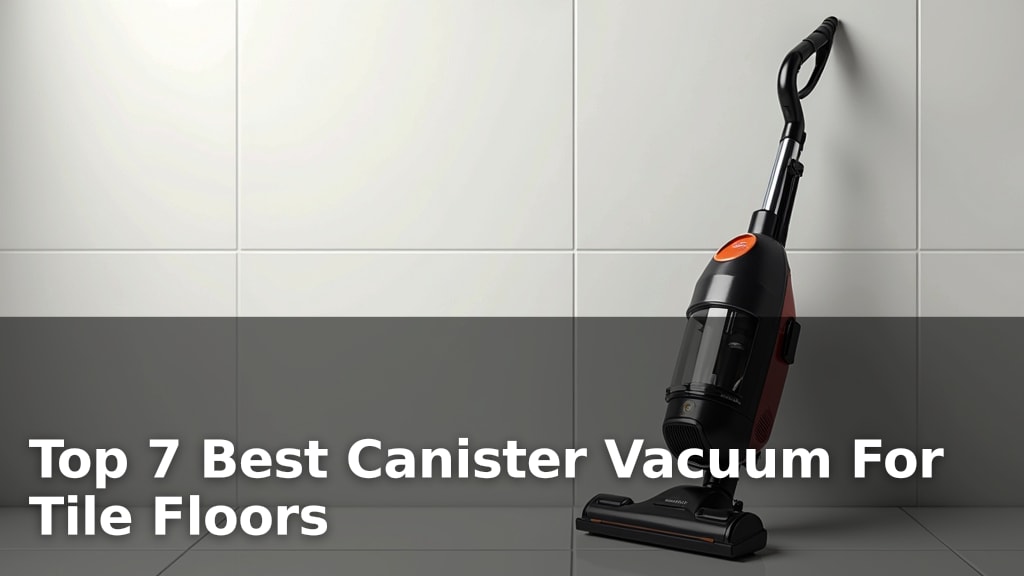
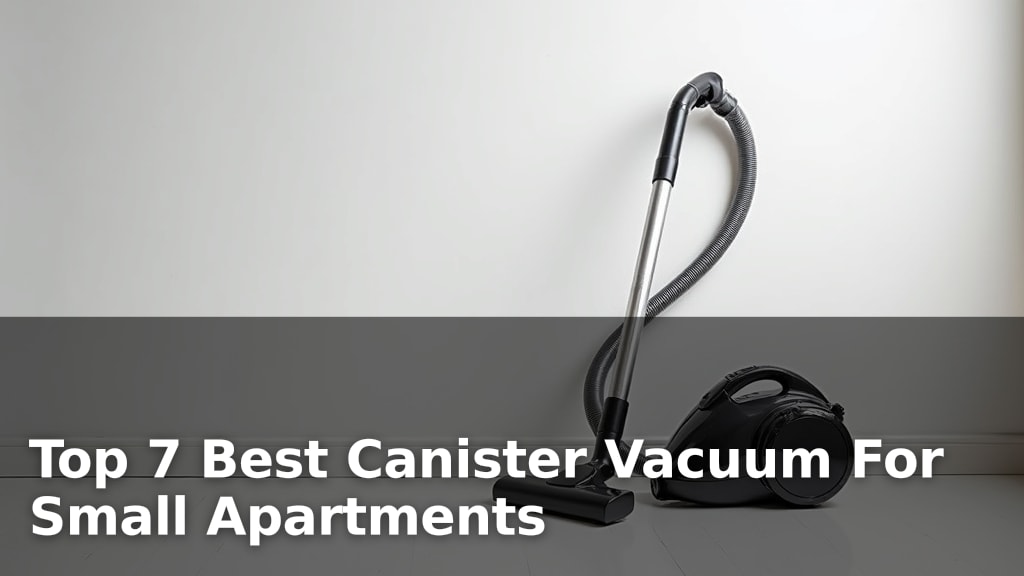
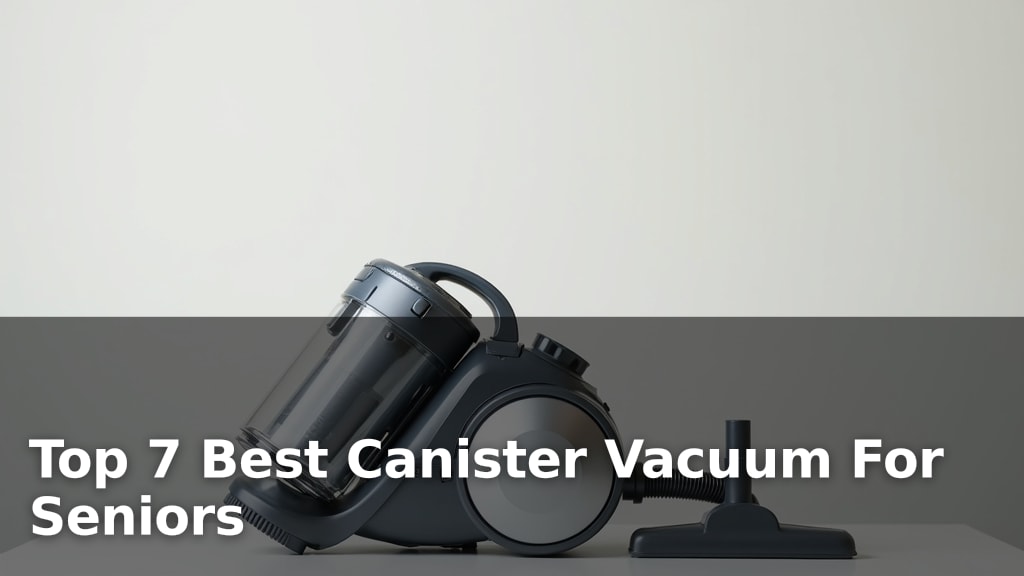
A canister vacuum cleaner is one type of vacuum cleaner, featuring a main unit containing the motor and dustbin, connected to a long hose and cleaning attachment.
You’ll find a canister vacuum cleaner is excellent for navigating tight spaces and cleaning various surfaces, from bare floors to curtains, thanks to its separate powerhead.
TL;DR: Canister vacuums are a fantastic choice for many homes. Here’s what you need to know quickly:
- They offer excellent flexibility, reaching under furniture and into corners with ease.
- Often providing stronger suction power than uprights, they are great for hard floors and delicate items.
- Their design typically means quieter operation, making cleaning less disruptive.
- They come with a range of attachments, making them highly versatile for different cleaning tasks.
- Consider them for homes with a mix of flooring, stairs, or lots of furniture.
What Is A Canister Vacuum Cleaner?
A canister vacuum cleaner is essentially two parts: a compact canister unit with the motor and dust collection, and a long hose with interchangeable cleaning heads that needs proper hose storage.
This design makes them incredibly adaptable for cleaning many areas of your home.
Why Pick a Canister Vacuum?
So, why would you choose a canister vacuum over other types? You might be surprised by their unique advantages.
Many homeowners find them a go-to for specific needs around the house.
Flexibility and Reach
Imagine effortlessly cleaning under a sofa or reaching dust bunnies on a high shelf. Canister vacuums offer incredible flexibility.
The long hose and lightweight wand let you reach awkward spots without moving heavy furniture (NIH).
Powerful Suction Performance
For some, the cleaning power is paramount. We found that canister vacuums often deliver robust suction.
This makes them highly effective on bare floors, area rugs, and even for picking up pet hair.
Quieter Operation
Do you dread loud vacuuming sessions? Many experts say that quiet canister vacuums than their upright counterparts.
The motor is housed in the canister unit, which often has sound-dampening features, reducing noise levels.
How Does a Canister Vacuum Work?
Let’s lift the lid, so to speak, on how these clever machines do their job.
Understanding the basics helps you appreciate their cleaning prowess.
The Main Components
A canister vacuum works by drawing air through the hose into the main unit.
The air passes through filters, trapping dirt and debris in a bag or dustbin, then expels clean air back into the room.
Different Types of Canister Vacuums
Not all canister vacuums are created equal. You’ll find variations that cater to different preferences and cleaning styles.
Knowing the types helps you select the best fit for your home.
Bagged vs. Bagless Canisters
This is one of the biggest choices you’ll make. Bagged canisters collect dirt in disposable bags, offering mess-free disposal.
Bagless models have a washable dustbin, saving you money on bags but requiring direct contact with dust (Mayo Clinic).
Specialized Attachments
One of the true joys of a canister vacuum is its army of attachments. They transform the machine for any task.
Here are a few common ones you’ll likely use often:
- Crevice Tool: Perfect for narrow gaps and corners.
- Dusting Brush: Gentle cleaning for delicate surfaces like blinds or lampshades.
- Upholstery Tool: Ideal for furniture, stairs, and pet hair removal.
- Hard Floor Tool: Soft bristles protect your bare floors while cleaning effectively.
- Powerhead/Turbo Brush: Provides agitation for deeper carpet cleaning.
Is a Canister Vacuum Right for Your Home?
Thinking about a new vacuum? You might wonder if a canister model truly fits your lifestyle.
Let’s explore common scenarios where they truly shine.
Best for Hard Floors
If you have a lot of hardwood, tile, or laminate, a canister vacuum is often an amazing choice.
Their dedicated hard floor tools gently clean without scratching, providing superior debris pickup.
Great for Stairs and Upholstery
Hauling a heavy upright up and down stairs can be a real workout. Canister vacuums make this job simple.
You can carry the lightweight canister or leave it at the bottom, using just the wand to clean stairs and furniture easily.
Navigating Tight Spaces
Do you have a home with lots of furniture or small rooms? The maneuverability of a canister vacuum is a game-changer.
You can guide the wand around obstacles, reaching spots that larger vacuums miss.
Canister vs. Upright: A Quick Comparison
Let’s compare canister and upright vacuums side-by-side to help you see the differences clearly.
This table highlights key features and benefits of each type.
| Feature | Canister Vacuum | Upright Vacuum |
|---|---|---|
| Maneuverability | Excellent for tight spaces, under furniture, stairs | Good for open areas, less agile |
| Versatility | Highly versatile with many attachments for varied surfaces | Better for carpets, fewer specialized attachments typically |
| Weight | Main unit is heavier, but wand is light and easy to handle | Often heavier overall, pushed as one unit |
| Noise Level | Generally quieter due to separate motor housing | Can be louder as motor is closer to cleaning head |
| Best For | Hard floors, rugs, stairs, upholstery, curtains, cars | Mostly carpets, large open areas |
What to Look for When Buying
Choosing a new vacuum can feel overwhelming with all the options out there. We’ve put together a quick checklist.
Focus on these points to find a canister vacuum you’ll love:
- Suction Power: Is it strong enough for your cleaning tasks?
- Filtration System: Look for HEPA filters if you have allergies (CDC).
- Attachment Variety: Does it include the tools you need for your home?
- Cord Length and Hose Reach: Will it cover your rooms without constant replugging?
- Weight and Portability: Is it easy to move and store?
- Bagged or Bagless: Which disposal method do you prefer?
Conclusion
Ultimately, a canister vacuum cleaner is a powerful and adaptable tool that can make a big difference in your home cleaning routine. Its design offers a unique blend of powerful suction, quiet operation, and exceptional reach.
Whether you’re tackling tricky stairs, delicate drapes, or expansive hard floors, the right canister vacuum can turn a chore into a surprisingly simple task. We hope this guide helps you decide if this cleaning champion is the perfect match for your home!
What is the main advantage of a canister vacuum over an upright?
The main advantage is its versatility and maneuverability. Canister vacuums allow you to easily clean under furniture, around obstacles, and tackle stairs or upholstery with specialized attachments; this guide covers canister vacuums for stairs.
Are canister vacuums good for pet hair?
Yes, many canister vacuums are excellent for pet hair, especially models equipped with a motorized powerhead or a turbo brush attachment. These tools agitate carpets and fabrics, effectively lifting embedded pet hair.
How often should I change the filter in my canister vacuum?
For bagged canister vacuums, it’s generally recommended to check or change the filter every 3-6 months, or more often if you vacuum frequently or have pets. For bagless models with washable filters, cleaning them monthly and replacing them annually is a good practice (manufacturer guidelines).
Can I use a canister vacuum on all types of flooring?
Absolutely! Canister vacuums are designed to be highly adaptable. They typically come with interchangeable floor tools, including soft brushes for delicate hard floors and powerheads for deep cleaning carpets, making them suitable for virtually any surface.
Is a heavier canister vacuum always more powerful?
Not necessarily. While some heavier, high-end canister vacuums might have more powerful motors, weight isn’t the sole indicator of power. The motor’s wattage, the design of the airflow system, and the quality of the cleaning head all play a significant role in a vacuum’s overall cleaning performance.