
Is a Bagged or Bagless Vacuum Better Value?
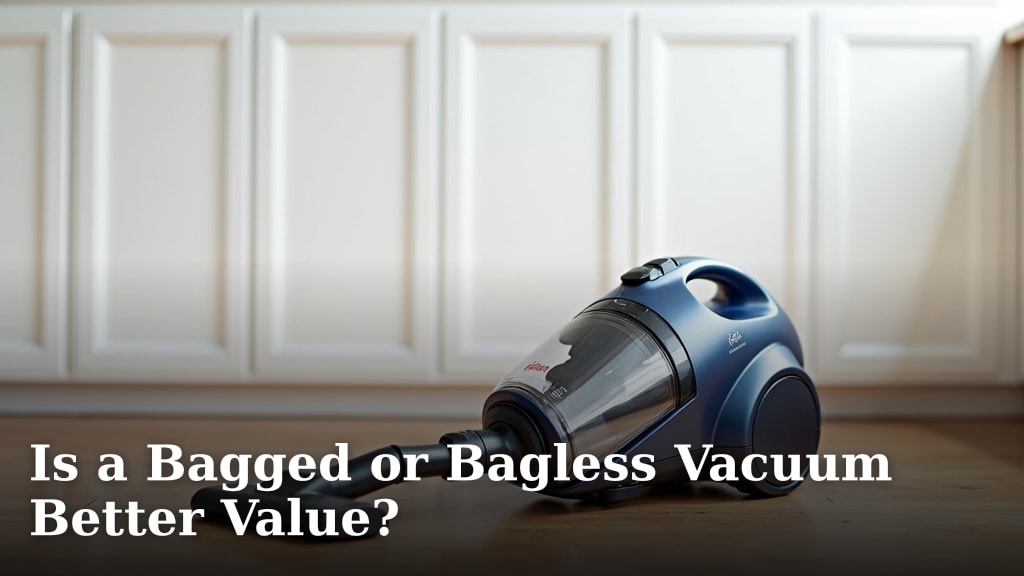
Deciding between a bagged or bagless vacuum cleaner comes down to your personal cleaning style and priorities. Bagless vacuums often offer better long-term value by eliminating the recurring cost of bags. However, bagged vacuums can be cleaner to maintain for those sensitive to dust.
Both vacuum types come with their own set of pros and cons regarding dust containment and cost. Your choice impacts how you handle dust and your overall budget for upkeep. We found that understanding these differences helps you pick the best fit for your home.
- Bagless vacuums save money by avoiding bag purchases.
- Bagged vacuums offer easier, dust-free emptying for allergy sufferers.
- Consider your budget for ongoing costs versus initial purchase price.
- Think about how much dust you’re willing to handle during maintenance.
Let’s break down the differences between bagged and bagless vacuums so you can make the right choice for your home.
You’ve seen the brochures, you’ve read the reviews, and now you’re standing in the vacuum aisle, staring at two main camps: bagged and bagless. Which one actually gives you the most bang for your buck? We’ve researched the ins and outs of both to help you make a choice that suits your home and your wallet.
Bagged vs. Bagless Vacuums: What’s the Real Difference in Value?
When we talk about value, we’re looking at the whole picture: initial cost, ongoing expenses, and how easy they are to live with. Bagless vacuums often win on long-term savings because you don’t buy bags. But is that the whole story? Let’s find out what makes one a better deal for you.
The Case for Bagless Vacuums: Cost Savings & Convenience
Bagless vacuums have really taken over the market, and there’s a good reason why. They promise a break from a recurring expense, which many people find very appealing.
No More Bag Purchases: A Big Money Saver
The most obvious advantage of bagless vacuums is the elimination of bag costs. Think about it: how often do you have to buy replacement bags for your current vacuum? For some, it’s a few times a year. Over the lifespan of a vacuum, those costs add up!
With a bagless model, you simply empty the dustbin. This means you save money month after month, year after year. We found that this initial cost-saving is a major draw for budget-conscious shoppers. It makes the overall ownership cost much lower.
Easy-to-See Dirt Levels
Another plus for bagless models is that you can easily see when the dustbin is getting full. This makes it simple to know when it’s time to empty it. You don’t have to guess or pull out a dusty bag to check. This visual cue helps you keep your vacuum running efficiently without much fuss.
Potential for Stronger Suction (Over Time)
Many bagless designs aim to maintain suction power even as the bin fills. They often use cyclonic technology, which spins dirt away from the airflow. This means your vacuum might perform more consistently between emptying sessions. Some research suggests this can lead to a more effective clean throughout the process.
The Appeal of Bagged Vacuums: Cleanliness & Allergies
While bagless models are popular, bagged vacuums still hold a special place, especially for certain users. Their primary advantage lies in how they handle dust, making them a strong contender for allergy sufferers.
Superior Dust Containment
Bagged vacuums excel at keeping dust locked away. When you fill a bag, you simply detach it from the vacuum and throw it away. This means the dust, dirt, and allergens are nicely sealed inside. This is a huge benefit if you or someone in your household deals with allergies or asthma.
The CDC notes that proper dust containment is key for improving indoor air quality. Bagged vacuums, with their sealed bags, often achieve this effectively. You’re not directly exposed to the dust cloud that can sometimes escape when emptying a bagless bin. It’s a cleaner experience for you, the user.
Less Messy Maintenance
Let’s be honest, emptying a bagless dustbin can sometimes be a dusty affair. Even with careful emptying, some fine particles can escape into the air. With a bagged vacuum, the maintenance is much more straightforward and less messy. You dispose of the bag, and you’re done.
This is particularly important for people who are sensitive to dust. They can avoid direct contact with the collected debris. This makes the whole cleaning process less of a chore and more importantly, less of a health hazard. We found that for many, this peace of mind is well worth the cost of bags.
Protection for Internal Components
The bag itself acts as an additional filter. It can trap finer particles before they reach the vacuum’s internal filters. This can potentially help extend the life of your vacuum by keeping its internal parts cleaner. Less dust getting into the motor and other components means less wear and tear over time.
Comparing the Costs: Beyond the Sticker Price
To truly understand which vacuum offers better value, we need to look at more than just the initial purchase price. We have to consider the ongoing costs and how often you’ll need to replace parts.
Upfront Investment vs. Long-Term Spending
Bagless vacuums might sometimes have a slightly higher initial price tag compared to basic bagged models. However, as we’ve discussed, the lack of recurring bag purchases means they often become more economical over time. If you plan to keep your vacuum for many years, the savings from a bagless model can be substantial.
Bagged vacuums can be more affordable upfront. But you must factor in the regular cost of buying replacement bags. If you use your vacuum frequently, these costs can add up quickly. It’s like buying a printer: the printer itself might be cheap, but the ink (or bags, in this case) can be pricey.
Filter Replacement and Other Maintenance
Both types of vacuums will require filter cleaning or replacement. This is a cost you’ll encounter regardless of whether you choose bagged or bagless. High-quality filters are essential for trapping fine dust and allergens. Manufacturers will recommend how often to clean or replace these, typically every 6-12 months depending on use (NIH recommendations often suggest regular cleaning of filters). You’ll need to budget for this for either type.
| Feature | Bagless Vacuum | Bagged Vacuum |
| Initial Cost | Can be slightly higher | Often lower |
| Ongoing Costs | Minimal (mostly filters) | Regular bag purchases + filters |
| Dust Handling | Requires careful emptying | Sealed bags for easy disposal |
| Allergy Friendliness | Can release dust during emptying | Excellent for dust containment |
| Maintenance Ease | Empty bin, wash filters | Replace bag, clean/replace filters |
| Long-Term Value | Generally higher due to no bag costs | Can be lower due to ongoing bag costs |
The True Cost of a Bagless Dust Cloud
While bagless vacuums save money on bags, there’s an indirect cost to consider if you’re sensitive to dust. The act of emptying the bin, even when done carefully, can release fine particles into the air. For some, this might mean more sneezing, itchy eyes, or respiratory irritation. If you find yourself needing to run air purifiers more often after emptying, that’s an additional expense and an inconvenience.
Making the Choice for Your Home and Budget
So, which type is the better value for you? It really depends on your priorities and how you clean.
Who Should Lean Towards Bagless?
If your main goal is to save money over the long haul and you don’t have severe dust sensitivities, a bagless vacuum is likely your best bet. You’ll avoid the recurring expense of bags, and maintenance is generally straightforward. Plus, many modern bagless models offer excellent suction power.
Who Might Prefer Bagged?
If you or someone in your home suffers from allergies or asthma, a bagged vacuum is often the healthier choice. The superior dust containment means less airborne irritants when you clean and maintain the machine. The slightly higher ongoing cost for bags can be a worthwhile trade-off for cleaner air and easier, less dusty maintenance.
A Quick Checklist to Help You Decide:
- Do you want to avoid buying replacement parts regularly?
- Are you concerned about the cost of ongoing maintenance?
- How sensitive are you or your family members to dust?
- Do you prefer a quick, sealed disposal of collected dirt?
- What is your long-term budget for cleaning supplies?
- Do you want to see exactly how full the dirt container is?
Ultimately, both bagged and bagless vacuums can be great investments. The “better value” is the one that aligns with your personal needs and budget, ensuring your home stays clean without causing unnecessary expense or discomfort.
Conclusion
Choosing between a bagged and bagless vacuum boils down to your personal cleaning needs and budget priorities. Bagless models generally offer superior long-term savings by eliminating the need to buy bags, making them a smart choice if cost is your main concern. On the other hand, bagged vacuums provide a cleaner maintenance experience, which is ideal if you or someone in your household deals with allergies or asthma. Consider how much you’re willing to spend ongoing versus your initial investment, and how you prefer to handle dust. Take a moment to review your home’s needs, and you’ll confidently pick the vacuum that gives you the best value and a cleaner space.
Frequently Asked Questions
Do bagless vacuums actually save money in the long run?
Yes, bagless vacuums typically offer better long-term value because you avoid the recurring cost of purchasing replacement bags. While some models might have a slightly higher upfront price, the savings accumulate over time, especially if you use your vacuum frequently.
Are bagged vacuums better for people with allergies?
Absolutely. Bagged vacuums excel at dust containment. When you’re ready to empty, you simply seal the bag and throw it away, minimizing dust and allergen release into the air, which is a major benefit for allergy and asthma sufferers.
What is the ongoing cost of owning a bagged vacuum?
The primary ongoing cost for a bagged vacuum is the purchase of replacement bags. You’ll also need to factor in occasional filter replacements, similar to bagless models. The frequency and cost of bags will depend on how often you vacuum and the brands you choose.
How often do I need to replace filters on a bagless vacuum?
Filter replacement frequency varies by model and usage, but most manufacturers recommend cleaning them regularly and replacing them every 6 to 12 months. Some high-efficiency filters might need replacement sooner if they become heavily soiled or lose effectiveness.
Can a bagless vacuum’s dustbin cause allergies when emptied?
Yes, there’s a potential for allergens and dust to be released into the air when emptying a bagless dustbin, even when done carefully. This is why bagged vacuums are often recommended for households with significant allergy concerns, as they offer a more sealed disposal process.
