Do Vacuum Cleaners Help with Dust Mites?
On this page (8 sections)
Yes, vacuum cleaners can help reduce dust mites and their allergens in your home. A good vacuum with a HEPA filter is particularly effective at trapping these tiny creatures and their waste. This makes it a key tool for managing dust mite allergies and improving indoor air quality. You can significantly lessen your exposure with regular vacuuming.
Dust mites are microscopic organisms that thrive in warm, humid environments. They feed on dead skin cells and live in places like mattresses, carpets, and upholstery. While you can’t eliminate them completely, reducing their population is important for allergy sufferers. Using the right vacuum cleaner and technique makes a big difference in controlling these common household pests.
- Vacuums can reduce dust mites and allergens.
- HEPA filters are best for trapping dust mites.
- Regular vacuuming is essential.
- Target high-traffic areas and soft furnishings.
Let’s dive into how vacuuming works against dust mites and what you should look for in a vacuum cleaner. We’ll cover the best strategies to get the most out of your efforts.
Can Vacuums Tackle Dust Mites?
Yes, vacuum cleaners absolutely can help reduce dust mites in your home. They are a key weapon in your fight against these tiny allergens. You might not see them, but dust mites and their waste products are major triggers for allergies and asthma. Regular vacuuming removes them and their food source – dead skin cells. This makes your living spaces healthier and more comfortable.
Think of your vacuum as a specialized vacuum cleaner for these microscopic freeloaders. It’s not just about making things look clean; it’s about improving your indoor air quality. By consistently removing dust mite populations, you can breathe easier and experience fewer allergy symptoms. Many health organizations recommend regular vacuuming as a primary strategy for dust mite control (CDC).
How Vacuums Work Against Dust Mites
Vacuum cleaners work by suctioning up particles from surfaces. This includes dust mites, their eggs, and their allergenic feces. They also remove the dead skin flakes that dust mites feed on, essentially starving them out. Using the right vacuum and technique can significantly reduce the number of dust mites in your home.
The Science Behind the Suction
Dust mites are small, typically less than a millimeter long. They are too tiny to be seen with the naked eye. They prefer warm, humid environments and love to set up shop in places where they have plenty of food and hiding spots. This includes your carpets, upholstery, mattresses, and even stuffed toys.
When you vacuum, the powerful suction pulls these mites and their food source into the vacuum bag or canister. For effective dust mite removal, the vacuum needs to capture these particles effectively without releasing them back into the air. This is where the type of vacuum and its filtration system become very important.
Dust Mites and Their Allergenic Waste
It’s not just the mites themselves that cause problems; their droppings are highly allergenic. These tiny fecal pellets are lightweight and easily become airborne when disturbed, such as during vacuuming. If your vacuum just blows these particles around, it can actually worsen your allergies.
A good vacuum cleaner is designed to trap these fine particles. It prevents them from escaping back into your living space. This is why choosing a vacuum with excellent filtration is so critical. You want to capture the allergens, not redistribute them.
What Makes a Vacuum Cleaner “Dust Mite Friendly”?
Not all vacuums are created equal when it comes to dust mites. You need a machine designed for effective allergen capture. Key features can make a big difference in how well your vacuum performs this important task.
The Magic of HEPA Filters
When searching for a vacuum to combat dust mites, look for one with a HEPA filter. HEPA stands for High-Efficiency Particulate Air. These filters are designed to capture at least 99.97% of particles that are 0.3 microns in size. This is a very small size, and it’s small enough to trap dust mites, their eggs, and their allergenic waste.
Many experts recommend HEPA filters for allergy sufferers because they are so effective at cleaning the air. A vacuum with a sealed system and a HEPA filter ensures that what goes in, stays in. This means the air that comes out of your vacuum is cleaner than the air it took in, which is exactly what you want.
Bagged vs. Bagless: Which is Better?
This is a common question, and both bagged and bagless vacuums can be effective. However, there are some considerations for dust mite control.
- Bagged Vacuums: These often make emptying easier and cleaner. When the bag is full, you simply remove it and throw it away. This can minimize your exposure to allergens during disposal. Look for double-layered bags for extra security.
- Bagless Vacuums: These have a canister you empty. While convenient and potentially more eco-friendly, emptying the canister can release dust and allergens back into the air. If you use a bagless model, empty it outside and consider wearing a mask.
Ultimately, a vacuum with good suction and a HEPA filter will be effective regardless of whether it’s bagged or bagless. The key is how you manage the dust and allergens it collects.
Suction Power and Attachments
Strong suction power is essential for pulling dust mites out of carpets and upholstery. Look for vacuums with good CFM (cubic feet per minute) ratings, which indicate airflow. More airflow generally means better suction.
Attachments are also incredibly useful for reaching dust mites in places they love to hide. A crevice tool is great for getting into the seams of furniture and mattresses. An upholstery tool is perfect for cleaning sofas, chairs, and even curtains. A powered brush roll attachment can agitate carpets to lift embedded mites.
Where to Vacuum for Maximum Dust Mite Impact
To effectively reduce dust mites, you need to focus your vacuuming efforts on the areas where they thrive. Prioritizing these spots will yield the best results.
The Bedroom: A Dust Mite Haven
Your bedroom is likely the primary residence for dust mites in your home. You spend a significant amount of time there, shedding skin cells that serve as their food. Mattresses, pillows, carpets, and curtains are prime real estate for these microscopic guests.
Make sure to vacuum your mattress and box spring regularly, using an upholstery attachment. Pay close attention to the seams and crevices where mites can hide. Vacuuming the carpet around your bed is also very important. Many allergy experts suggest vacuuming the mattress at least monthly (Cleveland Clinic).
Living Areas: Carpets and Upholstery
Your living room furniture and carpets are also major dust mite habitats. Dust mites love the dark, cozy environment found deep within carpet fibers and sofa cushions. Regular vacuuming of these areas removes mites and their food sources.
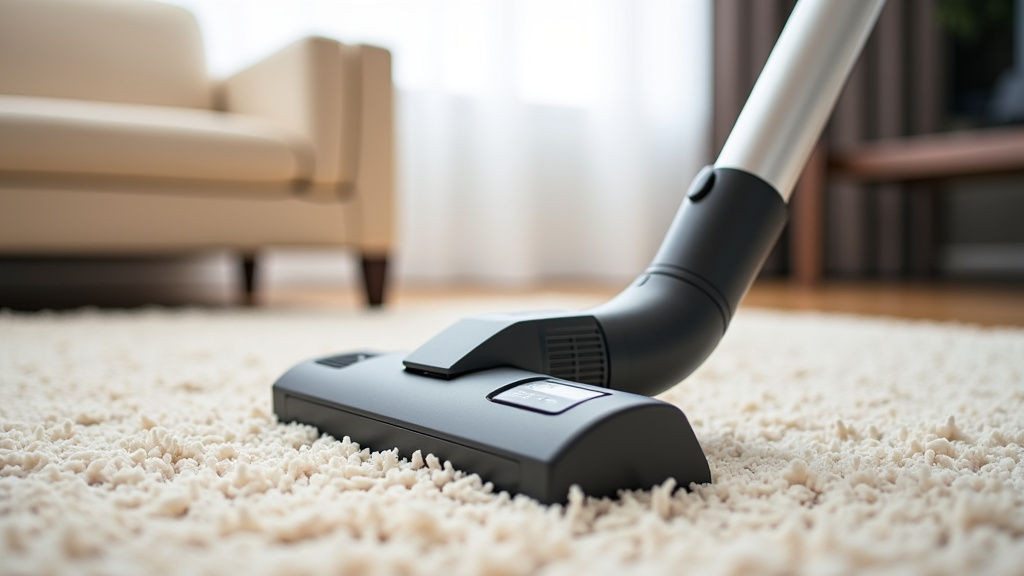
When vacuuming carpets, make slow, overlapping passes. This ensures you lift as much dust, debris, and dust mites as possible. For upholstery, use the appropriate attachment and work in sections. Don’t forget to vacuum any throw pillows or blankets that live on your furniture.
Other Problem Areas
Beyond the bedroom and living room, consider other areas that can harbor dust mites. This includes:
- Stuffed animals
- Curtains and drapes
- Area rugs
- Pet beds
- Anything made of fabric that doesn’t get washed frequently
These items often collect dust and skin cells, making them attractive to dust mites. Regular vacuuming can help keep their populations in check.
Best Practices for Dust Mite Vacuuming
Simply running the vacuum over your floors isn’t always enough. Employing the right techniques ensures you’re getting the most out of your efforts and truly reducing dust mite populations.
Frequency is Key
How often you vacuum matters greatly. For effective dust mite control, aim to vacuum high-traffic areas at least twice a week. Bedrooms and other frequently used rooms should be vacuumed at least once a week, if not more often.
Consistency is more important than intensity. A regular, thorough vacuuming routine will be more effective than occasional deep cleans. This consistent removal of food sources and mites prevents them from building up large colonies.
Technique Matters
Slow down! Vacuuming too quickly means you’re likely missing a lot. Move the vacuum slowly over carpets and upholstery. This gives the suction time to pull up debris and mites from deep within the fibers.
Make multiple passes over the same area, especially in high-traffic zones. Overlapping your strokes ensures complete coverage. For upholstery, use a firm but gentle motion.
Don’t Forget the Tools
Utilize your vacuum’s attachments. Crevice tools are excellent for getting into the tight spots in mattresses and furniture. Upholstery tools are designed for fabric surfaces. A powered brush roll can make a huge difference in carpeted areas by agitating the fibers and loosening debris.
Remember to clean your vacuum cleaner itself regularly. Empty the canister or replace the bag when it’s full. Check and clean or replace filters as recommended by the manufacturer. A clogged filter or a full bag reduces suction power and filtration efficiency.
Consider using a vacuum cleaner with a sealed system. This ensures that all the air is pulled through the HEPA filter and doesn’t leak out. A sealed system is vital for trapping allergens effectively.
When Vacuuming Isn’t Enough on Its Own
While vacuum cleaners are a powerful tool, they are part of a larger strategy for managing dust mites. You can’t eliminate them completely through vacuuming alone. Combining vacuuming with other methods offers the best defense.
Other Dust Mite Control Measures
Here are some additional steps you can take:
- Encase Mattresses and Pillows: Use zippered, allergen-proof covers. This creates a barrier that dust mites can’t penetrate and traps any mites already present.
- Wash Bedding Regularly: Wash sheets, pillowcases, and blankets in hot water (at least 130°F or 54°C) weekly. This kills dust mites.
- Control Humidity: Dust mites thrive in humidity. Use a dehumidifier to keep indoor humidity below 50%.
- Reduce Clutter: Less clutter means fewer places for dust to settle and mites to hide.
- Consider Allergen-Proof Covers: For sofas and chairs, allergen-proof covers can also be beneficial.
These combined efforts create a much less hospitable environment for dust mites, making your home healthier and more comfortable for everyone, especially those with allergies.
| Task | Frequency | Notes |
|---|---|---|
| Vacuum Carpets and Rugs | 2-3 times per week (high traffic) | Slow, overlapping passes. Use attachments. |
| Vacuum Upholstery | 1-2 times per week | Use upholstery tool. Get into seams. |
| Vacuum Mattresses & Pillows | Monthly | Use upholstery or crevice tool. Don’t forget edges. |
| Empty Vacuum Canister/Bag | When full (or regularly) | Empty outdoors if possible; wear mask. |
| Clean/Replace Vacuum Filter | As per manufacturer instructions | Crucial for effective HEPA filtration. |
| Vacuum Curtains/Drapes | Monthly or as needed | Use brush attachment. |
Conclusion
You’ve learned that your vacuum cleaner is a powerful ally in your fight against dust mites. By understanding how vacuums work and choosing the right features, like HEPA filters and strong suction, you can significantly reduce these allergens in your home. Remember to focus your efforts on key areas like your bedroom and living spaces, and vacuuming regularly with proper technique.
Don’t let dust mites win! Make vacuuming a consistent part of your cleaning routine. For best results, combine vacuuming with other dust mite control methods we discussed. Start today to create a healthier living environment for you and your family.
Frequently Asked Questions
How often should I vacuum to control dust mites?
For effective dust mite control, aim to vacuum high-traffic areas at least twice a week. Bedrooms and other living spaces should be vacuumed thoroughly once a week. Consistency is key to preventing dust mite populations from growing.
Is a vacuum with a HEPA filter really necessary for dust mites?
Yes, a HEPA filter is highly recommended. It captures at least 99.97% of tiny particles, including dust mites, their eggs, and their allergenic waste. This prevents allergens from being released back into your air.
Can vacuuming my mattress help with dust mites?
Absolutely. Your mattress is a prime spot for dust mites as it collects skin cells. Using an upholstery or crevice attachment to vacuum your mattress and box spring monthly can significantly reduce mite populations.
What’s the best way to vacuum upholstery for dust mites?
When vacuuming upholstery, use the appropriate attachment and move slowly. Pay attention to seams and crevices where dust mites tend to hide. Consider using a powered brush attachment if your vacuum has one for deeper cleaning.
Do I need to do anything special when emptying my vacuum if I have dust mite allergies?
Yes. If you have a bagless vacuum, empty the canister outdoors if possible. Wear a mask during emptying to avoid inhaling any disturbed allergens. For bagged vacuums, try to dispose of the bag quickly and seal it tightly.