Do Robot Vacuums Replace Regular Vacuuming Completely?
On this page (8 sections)
Robot vacuums can’t completely replace your regular vacuuming routine, but they can significantly reduce how often you need to do it. Think of them as your daily cleaning assistant, keeping floors tidy between deeper cleans. They are great for maintaining a baseline of cleanliness.
While these little helpers are fantastic for picking up daily dust, pet hair, and crumbs, they often miss corners and edges. Also, some might struggle with deep-pile carpets or stubborn messes. You’ll likely still need your trusty upright or canister vacuum for a thorough weekly clean.
TL;DR:
- Robot vacuums are great for daily upkeep.
- They help maintain a clean floor between deep cleans.
- They can’t reach every spot or tackle tough jobs alone.
- You’ll still need a regular vacuum for thorough cleaning.
Let’s break down how robot vacuums fit into your cleaning schedule and what you can realistically expect from them.
Can Robot Vacuums Take Over All Your Vacuuming?
The short answer is no, robot vacuums cannot completely replace your traditional vacuum cleaner. Think of them as your helpful cleaning sidekick. They excel at maintaining a tidy floor daily. But for a truly deep clean, your upright or canister vacuum is still essential. We found that most users integrate robot vacuums into their cleaning routine, not as a total replacement.
Robot vacuums are fantastic for daily upkeep and preventing buildup. They can handle dust bunnies, pet hair, and everyday crumbs. This means fewer chores for you. However, they have limitations. They often miss edges and corners. Some models struggle with thicker carpets or really stubborn messes. You’ll likely still need to do a weekly deep clean with a more powerful machine.
How Robot Vacuums Fit Into Your Cleaning Routine
The Daily Grind: Where Robots Shine
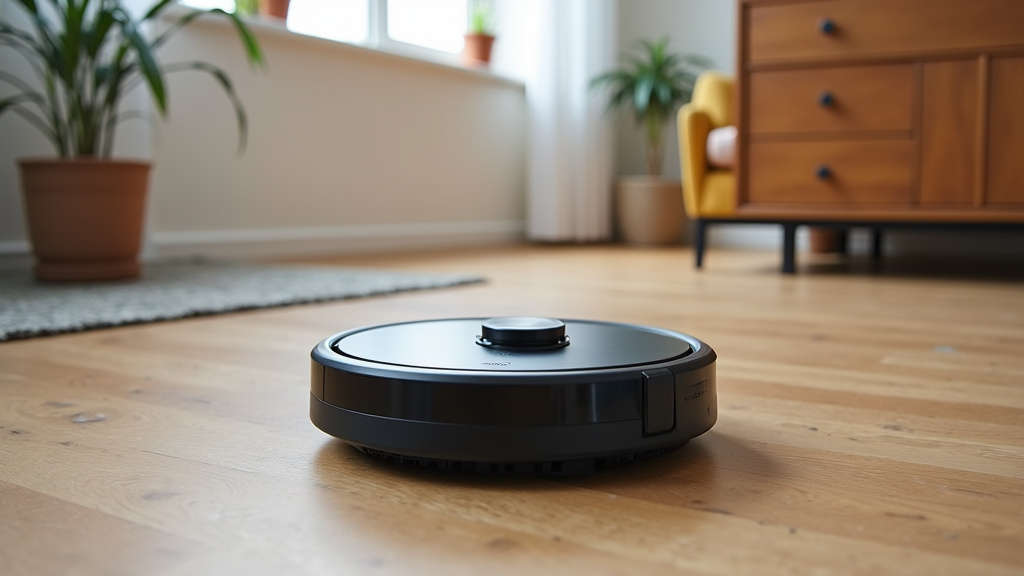
Robot vacuums are built for consistent, daily cleaning. They can run while you’re at work or even while you sleep. This continuous cleaning prevents dirt and debris from accumulating. Your floors will feel cleaner more often. Many robot vacuums can be scheduled to clean specific rooms or at certain times. This makes maintaining a tidy home much easier.
Pet owners especially appreciate robot vacuums. They do a great job of picking up shed fur daily. Without a robot vacuum, pet hair can quickly become a visible problem. Running the robot daily helps keep this under control. This means less dusting and sweeping for you. We found this is a huge benefit for households with furry friends.
Maintaining a Baseline Cleanliness
The main strength of a robot vacuum is maintaining a consistent level of cleanliness. Instead of letting dust settle for days, a robot vacuum tackles it every day. This is like having a tiny cleaning crew working for you around the clock. It’s about preventing dirt from becoming a major issue.
Think of it this way: if your regular vacuum is a deep dive into cleaning, your robot vacuum is like daily cardio for your floors. It keeps things in shape between those more intense sessions. This approach can make your home feel cleaner day-to-day. Many users report reduced dust levels overall.
Limitations of Robot Vacuums
The Edge and Corner Conundrum
One of the biggest challenges for robot vacuums is cleaning along walls and in corners. Their round shape means they often can’t get right into tight spots. While some have side brushes to sweep debris toward the main brush, they aren’t always perfect. You’ll often see a thin line of dust or hair left behind in these areas.
To overcome this, you might still need to use your regular vacuum’s crevice tool. Or, you might do a quick manual sweep of these areas. For homeowners who are very particular about every inch being spotless, this can be a drawback. We found that most people accept this minor limitation for the convenience gained.
Struggles with Different Floor Types
While many robot vacuums work well on hard floors and low-pile carpets, they can struggle with high-pile or shag carpets. These thick carpets can entangle the robot’s brushes or make it difficult to navigate. Some models are better designed for carpets, but they still might not offer the deep clean of a powerful upright vacuum.
For deep cleaning carpets, you need strong suction and agitation. Robot vacuums typically have less powerful motors. They are designed for surface-level debris. If you have extensive thick carpeting, a robot vacuum alone won’t suffice. You will definitely need a traditional vacuum for these areas. For deep cleaning carpets, you need strong suction and agitation; you will need a traditional vacuum for these areas.
Stubborn Messes and Specific Spills
Robot vacuums are not designed for large spills or dried-on messes. If you spill flour, coffee grounds, or pet accidents, you need to address it manually. A robot vacuum might spread the mess or get stuck. While some newer models have mopping features, they are generally for light, daily cleaning, not for tackling serious spills.
For deep cleaning, you need targeted power. A robot vacuum is about general maintenance. It can’t replace the focused cleaning power needed for specific accidents or heavily soiled areas. You’ll still need your trusty broom, mop, or a powerful spot cleaner for these situations.
When to Use Your Traditional Vacuum
Your traditional vacuum cleaner remains the champion of deep cleaning. It has more power and versatility. Use it for areas the robot vacuum can’t reach. This includes stairs, upholstery, and those tight corners. It’s also essential for refreshing carpets.
We found that most households use their traditional vacuum once or twice a week. This is for a thorough cleaning. It ensures that all dirt, allergens, and debris are removed. This schedule works well with a daily robot vacuum run.
Deep Carpet Cleaning
Thick carpets and rugs need a vacuum with robust suction and brush action. Robot vacuums simply can’t provide this level of clean. Your upright vacuum has a more powerful motor and specialized brush rolls. These are designed to agitate carpet fibers and lift embedded dirt. For the health of your carpets and your home’s air quality, regular deep cleaning is key (Environmental Protection Agency).
Tackling Stairs and Upholstery
Robot vacuums are designed for flat surfaces. They cannot navigate stairs, which are a major safety hazard for these devices. You also can’t use them on furniture. For cleaning stairs, car interiors, or upholstered items like couches and chairs, you’ll need a handheld vacuum or your main vacuum’s attachments.
Dealing with Specific Spills and Stains
As mentioned, robot vacuums are not designed for spot cleaning. If you have a spill of liquid, food, or anything sticky, you need to act fast. A manual clean-up is always the best first step. This prevents the mess from spreading or becoming a permanent stain. Your traditional vacuum is great for dry spills that need immediate attention.
Making the Robot Vacuum Work for You
Create a Cleaning Schedule
To get the most out of your robot vacuum, create a consistent schedule. Most models allow you to set daily or weekly cleaning times. Program it to run when you’re away from home. This ensures it can clean without interruption. A predictable schedule keeps your floors consistently tidy.
Prepare Your Home
Before your robot vacuum starts its run, do a little prep work. Pick up small objects from the floor, like toys, charging cords, or stray socks. These can get tangled in the robot’s brushes or sensors. Clearing obstacles helps the robot navigate more efficiently and prevents it from getting stuck.
Regular Maintenance
Just like any appliance, robot vacuums need maintenance. Empty the dustbin regularly. Clean the brushes and filters according to the manufacturer’s instructions. This ensures the robot operates at peak performance. A well-maintained robot vacuum will clean more effectively.
| Feature/Task | Robot Vacuum | Traditional Vacuum |
|---|---|---|
| Daily Dust & Debris | Excellent | Overkill, but effective |
| Pet Hair (Daily) | Very Good | Good (with frequent use) |
| Deep Carpet Cleaning | Limited | Excellent |
| Corners & Edges | Fair | Excellent (with attachments) |
| Stairs & Upholstery | Cannot do | Excellent (with attachments) |
| Large Spills | Cannot do | Excellent (for dry spills) |
| Scheduled Cleaning | Excellent | Manual required |
Your Cleaning Checklist: The Perfect Blend
Here’s a simple checklist to help you balance your cleaning tools:
- Daily: Schedule your robot vacuum to run.
- Every Few Days: Empty the robot’s dustbin.
- Weekly: Use your traditional vacuum for a deep clean.
- Weekly: Manually clean edges, corners, and stairs.
- As Needed: Address spills and tough spots immediately.
- Monthly: Clean robot vacuum brushes and filters.
Conclusion
So, can robot vacuums replace your old-school vacuum? The short answer is no, not completely. Think of your robot vacuum as your daily floor maintainer. It tackles dust bunnies and pet hair, keeping things tidy between deeper cleans. Your trusty traditional vacuum remains essential for getting into corners, deep cleaning carpets, and handling tough messes. By using both, you create a more effective cleaning strategy. This blend ensures your home stays cleaner with less manual effort. Try scheduling your robot daily and giving your traditional vacuum a weekly workout for the best results.
Frequently Asked Questions
Will a robot vacuum pick up all the dirt in my house?
Robot vacuums are excellent for daily upkeep and surface-level dirt. They help maintain a baseline cleanliness and pick up common debris. However, they aren’t designed for deep cleaning or reaching every nook and cranny. You’ll still need a regular vacuum for thorough cleaning sessions.
How often should I run my robot vacuum?
For most households, running your robot vacuum daily is ideal. This frequency prevents dirt and debris from building up and keeps your floors consistently tidy. If you have pets or high traffic areas, daily runs are especially beneficial. You can adjust this based on your home’s needs.
Can robot vacuums handle pet hair on carpets?
Robot vacuums can be great for managing daily pet hair on hard floors and low-pile carpets. They help reduce the amount of hair that accumulates. However, they generally can’t perform the deep clean needed for heavily embedded pet hair in thick carpets. You’ll still need a more powerful vacuum for that.
What should I do about robot vacuum limitations like corners and stairs?
Robot vacuums typically struggle with tight corners and cannot clean stairs at all. You will need to manually clean these areas using your traditional vacuum’s attachments or a handheld vacuum. This is where your regular vacuum still plays a vital role in a complete cleaning routine.
Should I still buy a traditional vacuum if I get a robot vacuum?
Yes, absolutely. A robot vacuum is a fantastic supplement to your cleaning routine, not a complete replacement. You’ll still need your traditional vacuum for deep cleaning carpets, tackling stairs and upholstery, and cleaning up spills or stubborn messes that robots can’t handle.