
Can You Vacuum Ash from a Fireplace?
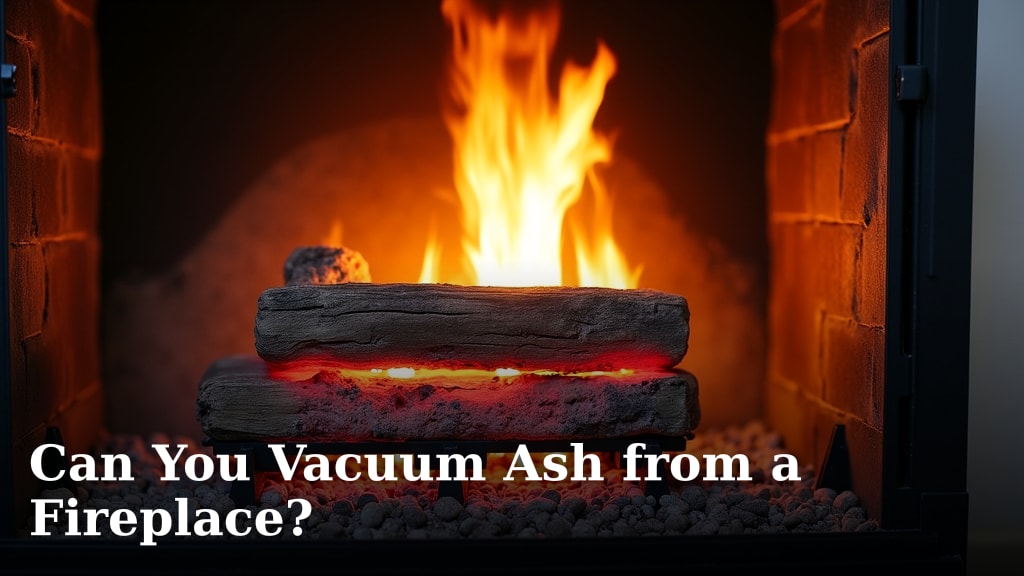
Yes, you can vacuum ash from a fireplace, but it’s not as simple as reaching for your regular household vacuum. You absolutely need a specialized vacuum cleaner designed for ash, often called a shop vac or ash vacuum. Using the wrong kind could be a fire hazard or damage your vacuum.
While it seems straightforward, there’s a right way to approach this task. Simply sucking up hot embers or fine dust with a standard vacuum is a recipe for disaster. It’s important to understand the specific safety precautions and the type of equipment required to do it safely and effectively. We’ve researched the best methods for you.
- You can vacuum fireplace ash.
- Always use a shop vac or ash vacuum.
- Never use a regular household vacuum.
- Ensure ash is completely cool before vacuuming.
- Empty the vacuum carefully.
Below, we’ll walk you through exactly how to safely vacuum ash from your fireplace, along with the essential tools you’ll need.
Your Guide to Safely Vacuuming Fireplace Ash
Yes, you can vacuum ash from your fireplace, but it’s critical to know the right tools and techniques. Using the wrong equipment can lead to serious safety risks, including fires or damage to your appliances. We’ve researched the best methods to ensure you can clean your hearth safely and effectively.
Understanding Ash and Fireplace Safety
Fireplace ash isn’t just simple dust. It can contain fine particulates and, more importantly, residual embers you might not see. These embers can remain hot for a surprisingly long time. Think of them like tiny, patient coals waiting for a breath of fresh air. A regular vacuum cleaner isn’t built to handle heat or fine, flammable dust.
Many experts stress that the absolute first rule is to ensure the ash is completely cold. This isn’t just a suggestion; it’s a safety imperative. We’ve found that ash can stay smoldering for 24 to 72 hours after the last visible flame has died down. Giving it ample time to cool is your best defense against an accidental fire.
Why Your Household Vacuum is a No-Go
Your everyday vacuum cleaner is designed for household dust and debris. Its motor and filter system are not equipped for hot particles or extremely fine ash. When you suck up even slightly warm ash, you risk igniting the dust bag or the vacuum’s internal components. This can cause smoke, fire, or even an explosion inside the machine.
Furthermore, the fine ash particles are so small they can bypass the filters of a standard vacuum. This means they can get into the motor, causing damage. They can also be blown back into the air, coating your room with a fine layer of soot. Your lungs might not thank you for that, either. Many sources, including fire safety organizations, strongly advise against using regular vacuums for fireplace cleanup.
The Right Tool for the Job: Ash Vacuums and Shop Vacs
This is where specialized equipment comes in. For safely vacuuming fireplace ash, you need either an ash vacuum or a robust shop vac. These are built with safety features that household vacuums lack.
What Makes an Ash Vacuum Different?
Ash vacuums, sometimes called ash vacuums or soot vacuums, are specifically designed to handle the unique challenges of fireplace ash. They typically feature:
- Heat-resistant materials: The hoses, canisters, and internal components are made from materials that can withstand some residual heat.
- Advanced filtration systems: They often include HEPA filters or multi-stage filtration to capture fine ash particles effectively. This prevents them from escaping into your home or damaging the motor.
- Sealed systems: The entire vacuum unit is designed to be airtight, ensuring that fine dust doesn’t leak out.
- Metal construction: Many ash vacuums have durable metal construction for both the body and the hose, adding to their heat resistance.
The Versatility of a Shop Vac
A good quality shop vac can also be a reliable tool for ash removal, provided it has the right features. Look for shop vacs that are rated for fine dust or come with a fine dust filter. Many are equipped with metal drums and can handle more demanding jobs than your typical home vacuum.
However, it’s crucial to check the manufacturer’s specifications. Some shop vacs are explicitly *not* recommended for hot ashes or fine, flammable dust. If you plan to use a shop vac, consider purchasing a separate one specifically for ash cleanup to avoid contaminating your regular shop vac with soot and ash residue.
Step-by-Step: How to Vacuum Your Fireplace Ash Safely
Now that you know the “why” and the “what,” let’s get to the “how.” Following these steps will help you clean your fireplace efficiently and, most importantly, safely.
Step 1: Patience is Key – Let the Ash Cool
As we’ve stressed, this is the most critical step. Do not rush it. Wait until the fireplace has been completely unused and undisturbed for at least 24 hours, preferably longer. Reach into the fireplace with a gloved hand (carefully!) or a metal poker to gently feel the ash. If there’s any hint of warmth, wait longer. Better safe than sorry!
Step 2: Prepare Your Workspace and Equipment
Before you start vacuuming, lay down old newspapers or a drop cloth around the fireplace hearth. This will catch any stray ash or soot that might fall. Ensure your ash vacuum or shop vac is in good working order. Check that the filters are clean and properly installed. If using a shop vac, make sure it has the appropriate fine dust filter attached.
Have a designated, fire-safe container ready for emptying the vacuum. A metal trash can with a lid is ideal. Remember, you’re dealing with fine particles that can linger in the air.
Step 3: The Vacuuming Process
Connect the hose to your ash vacuum or shop vac. Slowly and steadily, begin vacuuming the ash from the fireplace. Work in sections, moving the hose methodically over the ash bed. Avoid disturbing the ash too much, as this can stir up fine particles into the air.
If you encounter any larger, unburned pieces of wood or debris, remove them manually with a shovel or poker *before* continuing to vacuum the finer ash. Your vacuum is best suited for the dust and small particles.
Tips for Efficient Vacuuming
- Start with the edges: Work your way from the perimeter of the firebox inwards.
- Gentle suction: Don’t force the vacuum. Let its suction do the work.
- Small, manageable sections: Don’t try to vacuum everything at once.
- Keep the hose moving: Avoid letting the vacuum sit in one spot for too long.
Step 4: Emptying the Vacuum Safely
Once you’ve vacuumed the fireplace, it’s time to empty the ash from your vacuum. This step also requires careful attention. If you used an ash vacuum, it might have a special disposal system. For shop vacs, carefully detach the canister or bag.
Move the vacuum outdoors to a safe, non-flammable area, far from any combustible materials. Slowly and carefully empty the contents into your designated metal trash can. Many experts recommend adding a layer of water or damp sand to the ash in the trash can to ensure any residual heat is completely extinguished. Close the lid tightly.
Step 5: Cleaning Up Your Equipment
After emptying, it’s a good idea to clean your vacuum. Check the filters and clean or replace them as needed. Wipe down the exterior of the vacuum with a damp cloth to remove any soot. This keeps your equipment in good condition and prevents ash from being tracked elsewhere.
When NOT to Vacuum Ash
While vacuuming is a convenient method, there are times when it’s not the best approach. If you have any doubts about the ash being completely cold, stick to traditional methods like shoveling. This is especially true if you don’t have a specialized ash vacuum or a shop vac with the proper filters.
Also, consider the type of fireplace you have. Some older fireplaces or those with delicate finishes might be better cleaned with a brush and dustpan. Always refer to your fireplace manufacturer’s recommendations for cleaning and maintenance.
Ash Vacuum vs. Shop Vac: A Quick Comparison
Choosing between an ash vacuum and a shop vac depends on your needs and budget. Here’s a simplified comparison to help you decide:
| Feature | Dedicated Ash Vacuum | Shop Vac (with fine dust filter) |
|---|---|---|
| Primary Use | Specifically for fireplace/wood stove ash | General cleaning, DIY projects, workshop tasks, and sometimes ash |
| Heat Resistance | Generally higher, designed for residual heat | Varies by model; check specifications carefully |
| Filtration | Often superior for fine ash capture (HEPA) | Can be good, but requires a specific fine dust filter |
| Durability | Built for rugged use | Generally robust and versatile |
| Cost | Can be more expensive as a specialized tool | Can be more affordable if you already own one or buy a basic model |
| Safety for Ash | Highest safety rating when used correctly | Good, provided it has the correct filters and is used per manufacturer guidelines |
Your Ash Vacuuming Checklist
Here’s a quick rundown of essential steps to keep in mind:
- Wait: Ensure ash is completely cold for at least 24-72 hours.
- Gear Up: Use a dedicated ash vacuum or a shop vac with a fine dust filter.
- Protect: Lay down drop cloths or newspaper around the hearth.
- Be Thorough: Vacuum slowly and methodically, working in sections.
- Dispose Wisely: Empty the vacuum outdoors into a metal container, ideally wetting the ash.
- Clean Up: Maintain your vacuum and its filters for future use.
Conclusion
You’ve learned that vacuuming fireplace ash is absolutely possible, but it requires the right precautions and tools. Remember, your standard household vacuum is a fire hazard. Stick to dedicated ash vacuums or a robust shop vac equipped with a fine dust filter. Patience is your best friend; always let the ash cool completely for at least 24-72 hours before you even think about vacuuming. By following these steps, you can keep your hearth clean and your home safe. Now, go ahead and safely tackle that ash!
Frequently Asked Questions
Can I vacuum ash if it’s only a little bit warm?
No, you should never vacuum ash that is even slightly warm. Residual embers can smolder for days and can easily ignite the contents of your vacuum or cause a fire. Always wait until the ash is completely cold to the touch, which is typically 24 to 72 hours after the last fire.
How do I know if my shop vac is suitable for vacuuming ash?
Look for a shop vac that is specifically rated for fine dust collection or comes with a HEPA filter. Always check the manufacturer’s manual to ensure it’s safe for ash. If it doesn’t explicitly mention suitability for ash or fine dust, it’s best to err on the side of caution and not use it.
What should I do if my vacuum accidentally sucks up a hot ember?
If you suspect a hot ember was vacuumed, immediately turn off the vacuum and unplug it. Take it outdoors to a safe, non-flammable area. Carefully empty the canister outside, preferably into a metal container with water or sand. Monitor the vacuum for any signs of smoke or heat.
Is it safe to vacuum soot from the chimney itself?
No, you should not vacuum soot directly from the chimney. Chimney soot is extremely fine, flammable, and can carry embers. Cleaning a chimney requires specialized tools and techniques, often involving a chimney brush and rods, and should ideally be done by a professional chimney sweep.
How often should I clean my ash vacuum’s filters?
You should check your ash vacuum’s filters regularly, especially after each use. Clean or replace them according to the manufacturer’s instructions. Clogged filters reduce suction power and can force fine ash particles back into the air, so keeping them clean is essential for both performance and safety.
