
Can You Vacuum a Car Engine Bay?
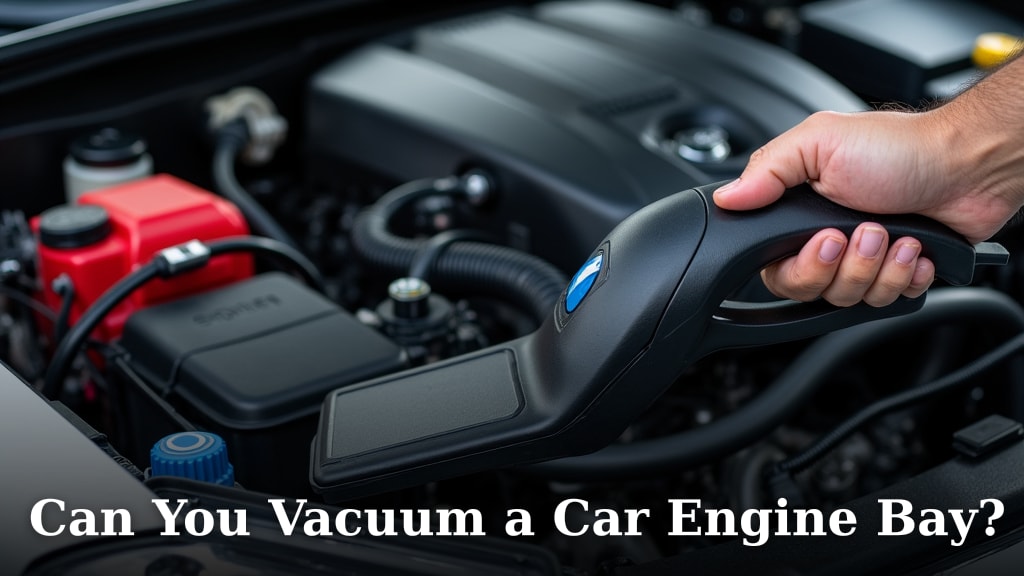
Yes, you can vacuum a car engine bay, but you need to be very careful and strategic. Avoid direct contact with sensitive components. Using the right tools makes a big difference for this task.
You probably want to clean up loose dirt, leaves, and debris. This helps your engine run better and looks nicer. However, there are specific techniques and tools you should use. Skipping these steps can cause more harm than good.
- You can vacuum an engine bay with proper precautions.
- Never use a household vacuum directly.
- A shop vac with specific attachments is best.
- Avoid electrical components and belts.
- Always ensure the engine is cool and off.
Let’s dive into why vacuuming your engine bay requires a bit of finesse. We’ll also cover the best ways to get it sparkling clean and what to absolutely avoid.
Vacuuming Your Engine Bay: Is It Really a Good Idea?
You might wonder if bringing a vacuum cleaner anywhere near your car’s engine is a smart move. In short, it can be, but it’s not like vacuuming your living room carpet. We’re talking about precision work here. You’re dealing with delicate electrical components, fluids, and moving parts.
The goal is to remove loose debris, like leaves, dirt, and dust. These things can build up over time. They can even insulate components, potentially leading to
overheating issues if left unchecked. A clean engine bay also makes it easier to spot leaks or other mechanical problems early on.
The Benefits of a Clean Engine Bay
Why bother cleaning your engine bay at all? It’s not just about aesthetics, though a clean engine does look impressive. A tidy engine bay can actually contribute to the
longevity and performance of your vehicle.
- Improved cooling by preventing debris from blocking vents.
- Easier identification of fluid leaks or loose connections.
- Deters pests from nesting in warm, debris-filled areas.
- Can potentially increase resale value.
Think of it as preventive maintenance. Just like changing your oil, keeping the engine bay free of major debris helps everything run smoother. A dirty engine can even make routine service checks take longer, costing you more money.
When NOT to Vacuum Your Engine Bay
There are definitely times when you should put the vacuum away. Knowing when to avoid this task is just as important as knowing how to do it. Safety first, always.
- Hot Engine: Never vacuum a hot engine. The heat can warp plastic attachments or even be a fire hazard if you stir up flammable debris near hot surfaces.
- Running Engine: Do not vacuum with the engine running. This is extremely dangerous due to moving belts and fans.
- Heavy Greasy Buildup: A vacuum isn’t designed for heavy grease or oil. These require different cleaning methods, usually involving degreasers and brushes.
- Wet Engine: If your engine bay is currently wet from rain or a recent wash, let it dry thoroughly first. Water and electricity don’t mix well.
We found that many detailers recommend waiting until the engine is completely cool to the touch. This often means letting your car sit for a few hours, or even overnight, after a drive (National Carwash Association).
Choosing the Right Vacuum for the Job
So, you’ve decided to tackle your engine bay. Great! But before you grab your household vacuum, let’s talk about the right tools. This is where many people go wrong.
Why Your Household Vacuum Won’t Cut It
Your trusty upright or canister vacuum might be perfect for pet hair and dust bunnies, but it’s not suitable for an engine bay. Why? Several reasons:
- Power: Most household vacuums lack the suction power needed for compacted dirt and debris.
- Filtration: Engine bay dust can be finer and contain metal particles, which household filters aren’t designed to handle.
- Attachments: The attachments are often too bulky or not flexible enough to reach tight spots.
- Safety: Household vacuums are not built to withstand the grime, sharp edges, or potential liquids found in an engine bay.
Using a household vacuum could not only damage your car but also your vacuum cleaner itself. It’s simply not designed for this environment.
The Ideal Vacuum: A Shop Vac
For engine bay cleaning, a shop vacuum (wet/dry vac) is your best friend. These are robust, powerful, and built for tougher jobs.
- Strong Suction: They have much stronger motors, allowing them to pick up heavier debris.
- Durability: Shop vacs are made to handle dirt, dust, and even liquids without issue.
- Versatile Attachments: They come with a variety of nozzles, brushes, and crevice tools that are perfect for navigating an engine bay.
- Long Hoses: Many have longer hoses, giving you better reach without moving the unit constantly.
Consider a smaller, portable shop vac if you don’t have a large one. They offer great maneuverability and still provide ample power. Many auto enthusiasts swear by them for detailing work.
Essential Shop Vac Attachments
The right attachments make all the difference. Don’t underestimate their power in reaching those hidden nooks and crannies.
- Crevice Tool: Absolutely essential for getting into tight spaces between components.
- Brush Attachment: Helps loosen stubborn dirt and dust while vacuuming.
- Narrow Nozzle: Good for more focused suction in small areas.
Some people even use a simple painter’s brush or a detailing brush to agitate dust and then vacuum it up immediately. This combination works wonders for a truly clean finish.
Your Step-by-Step Guide to Vacuuming an Engine Bay Safely
Okay, you’ve got your shop vac. Now, let’s get down to business. Safety and preparation are key here. Don’t rush it.
Preparation: The Foundation of a Successful Clean
Before you even think about turning on that vacuum, you need to set the stage. This prevents damage and ensures you get the best results.
- Ensure the Engine is Cold: As mentioned, this is non-negotiable. Let it cool down completely.
- Disconnect the Battery (Optional but Recommended): For maximum safety, disconnect the negative terminal of your car’s battery. This prevents any accidental shorts or electrical issues.
- Cover Sensitive Electrical Components: Use plastic bags and rubber bands to cover exposed electrical connections, the fuse box, and the alternator. You want to avoid direct contact with these, even with a dry vacuum.
- Remove Large Debris: Manually pick out any large leaves, twigs, or other bulky items. This saves your vacuum from getting clogged.
Many professional detailers confirm that covering sensitive areas is a critical step. A simple grocery bag can make all the difference in protecting your electronics.
The Vacuuming Process: Gentle and Thorough
Now for the actual cleaning. Remember, patience is a virtue when working around delicate engine parts.
- Start from the Top: Begin vacuuming from the highest points of the engine bay and work your way down. This allows gravity to help move loosened dirt.
- Use Appropriate Attachments: Switch between the crevice tool for tight spots and the brush attachment for broader, flatter surfaces.
- Avoid Direct Contact with Wires and Hoses: Don’t yank or pull on any wires or hoses with the vacuum nozzle. Be gentle and work around them.
- Light Touch Around Belts and Pulleys: Stay clear of the serpentine belt and any pulleys. These are moving parts (when the engine is running) and can have sharp edges. Even when off, it’s best to keep your distance.
- Work in Sections: Don’t try to do the entire engine bay at once. Break it down into smaller, manageable sections.
You’ll notice dust and loose dirt disappearing right before your eyes. It’s a satisfying process when done correctly!
What to Absolutely AVOID While Vacuuming
Let’s reiterate some major no-nos to keep your engine safe and sound.
| Action | Why You Should Avoid It |
|---|---|
| Using a household vacuum | Lacks power, wrong filtration, not durable enough. |
| Vacuuming a hot engine | Fire hazard, can melt attachments, unsafe. |
| Sucking up liquids/grease | Damages vacuum, can spread mess, not effective. |
| Direct contact with electricals | Risk of damage to sensitive components. |
| Pulling on wires/hoses | Can disconnect critical parts, lead to leaks. |
Remember, a little caution goes a long way. Better safe than sorry when it comes to your car’s engine.
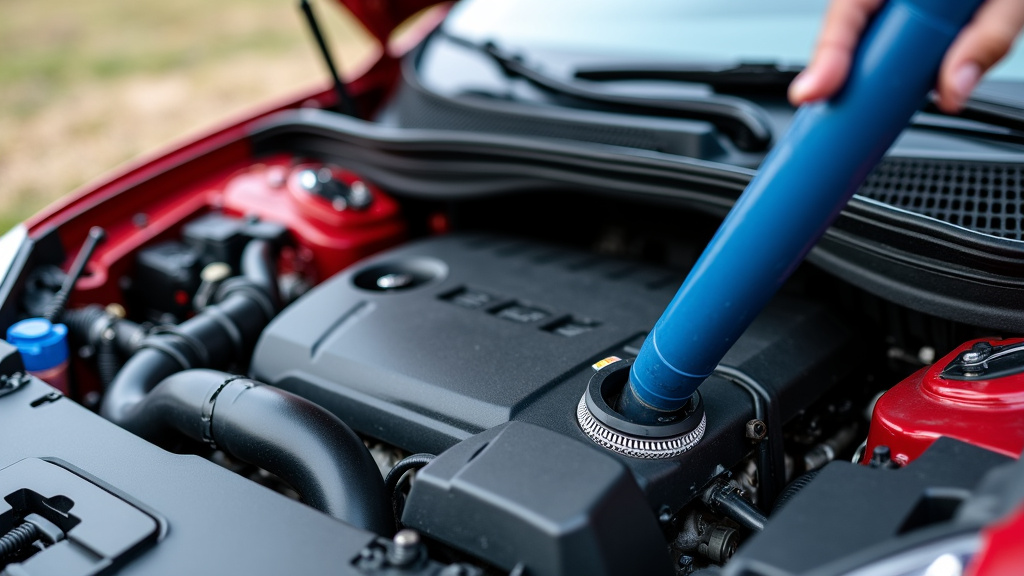
Beyond Vacuuming: Completing Your Engine Bay Detail
Once you’ve vacuumed up all the loose stuff, you might want to take your cleaning a step further. Vacuuming is usually just the first step in a more thorough engine bay detail.
Post-Vacuuming Cleaning Steps
After vacuuming, you’ve removed the bulk of the loose debris. Now you can focus on the deeper clean.
A Quick Checklist for a Deeper Clean:
- Spray a dedicated engine degreaser on soiled areas.
- Agitate with soft brushes (not metal ones!).
- Rinse very gently with a low-pressure stream of water (or wipe with damp cloths).
- Air dry thoroughly or use a leaf blower on a low setting.
- Apply a dressing to plastics and rubber for protection.
Many auto care brands offer specific products for engine bay cleaning. We found that using a non-acidic, biodegradable degreaser is best for the environment and your car (Environmental Protection Agency).
Always read the instructions on any cleaning product you use. Some require rinsing, while others are simply wipe-on, wipe-off. The goal is to clean without causing harm.
Conclusion
Vacuuming your car’s engine bay is a smart way to maintain your vehicle, but it demands careful attention. You’ve learned that a shop vac with the right attachments is essential, not your household cleaner. Always remember to prioritize safety by working with a cool engine and protecting sensitive components. Taking these steps not only keeps your engine looking great but also helps prevent potential issues down the road. Go ahead and tackle that engine bay with confidence – your car will thank you!
Frequently Asked Questions
Can a dirty engine bay affect car performance?
Yes, a dirty engine bay can impact performance. Excessive debris might insulate components, leading to overheating. It can also hide issues like leaks or loose connections, delaying necessary repairs.
How often should I vacuum my car’s engine bay?
The frequency depends on your driving conditions. If you often drive on dusty roads or live in an area with a lot of foliage, you might want to vacuum it every few months. For average drivers, once or twice a year is usually sufficient.
What if I don’t have a shop vac? Are there other options?
While a shop vac is ideal due to its power and durability, you can use compressed air to blow out loose debris. However, this will just move the dirt around, not remove it from the area. For best results, consider borrowing or renting a shop vac.
Is it safe to use water after vacuuming the engine bay?
You can use water very carefully after vacuuming, but only if your engine bay has been properly prepped. Use a low-pressure spray and immediately cover sensitive electrical parts. Many prefer wiping with damp cloths to minimize water exposure.
Will vacuuming an engine bay void my car’s warranty?
Generally, simply vacuuming your engine bay carefully will not void your car’s warranty. However, any damage caused by improper cleaning techniques, like water damage to electrical components, could potentially void a specific repair claim. Always proceed with caution.
