
Can You Use a Vacuum on a Wool Rug?

Yes, you can absolutely use a vacuum on your wool rug, but with a little extra care. The key is to use the right settings and attachments to avoid damaging those beautiful natural fibers. Many wool rugs are quite durable, but they do require gentle treatment to keep them looking their best for years to come.
Wool rugs are a fantastic investment, offering both warmth and style to your home. Because they are made from natural fibers, they can be a bit more sensitive to harsh cleaning methods than synthetic carpets. Understanding how to properly vacuum your wool rug ensures you maintain its plush texture and prevent premature wear and tear.
- Yes, vacuuming wool rugs is generally safe.
- Always use the correct vacuum settings.
- Avoid the beater bar on delicate rugs.
- Check your rug’s manufacturer recommendations.
- Regular, gentle vacuuming is best.
Let’s walk through exactly how to keep your wool rug looking its absolute best with your vacuum cleaner.
Vacuuming Your Wool Rug: A Gentle Approach
Yes, you can use a vacuum on your wool rug! Many people worry about damaging these beautiful natural fibers, but with the right technique, vacuuming is actually the best way to keep your wool rug looking fresh.
The key is to be **gentle and mindful** of your vacuum’s settings. Wool fibers are naturally resilient, but they don’t respond well to rough treatment. Think of it like brushing fine hair; you wouldn’t yank a brush through it, right? Your wool rug deserves the same careful attention.
Understanding Your Wool Rug’s Needs
Wool rugs are a wonderful addition to any home. They’re durable, stain-resistant, and naturally flame-retardant. However, these natural qualities also mean they have specific care requirements. Unlike synthetic fibers, wool can be sensitive to heat and harsh agitation.
The goal of vacuuming is to remove surface dirt and debris without causing stress to the wool fibers. This includes things like dust, crumbs, and pet hair. Over time, these small particles can embed themselves deep into the rug pile, making it look dull and worn.
Why Gentle Vacuuming Matters
Excessive friction or aggressive vacuuming can cause the wool fibers to break or fray. This is especially true for older rugs or those with a very fine pile. You might notice “fuzzing” or premature wear in areas where the vacuum has been too harsh.
It’s also important to consider the construction of your rug. Some wool rugs are hand-knotted, while others are machine-made or hand-tufted. Each type might have slightly different needs. Always check for manufacturer recommendations if you have them.
Choosing the Right Vacuum Settings
This is perhaps the **most critical step** in vacuuming your wool rug safely. Not all vacuums are created equal, and not all settings are appropriate for wool.
The Beater Bar: Friend or Foe?
Many vacuum cleaners come with a rotating brush, often called a beater bar. This is great for agitating carpet and loosening dirt in synthetic carpets. However, for many wool rugs, the beater bar can be too aggressive.
Research suggests that the spinning bristles of a beater bar can catch on wool fibers, causing them to pull, snag, or even break. This is particularly true for rugs with a longer pile or a more delicate weave. If your vacuum has an adjustable height setting, you might be able to raise it significantly to minimize contact.
What to do instead: If your vacuum has a setting for “bare floor” or “hardwood,” this often disengages the beater bar or lifts it high. This is usually your safest bet. Alternatively, some vacuums have a brush roll on/off switch. If yours does, turn the brush roll off.
Suction Power: Less Can Be More
While you want enough suction to pick up dirt, **excessive suction** can also be problematic. Very high suction can pull too hard on the wool fibers, potentially causing damage over time. If your vacuum has adjustable suction settings, start with a medium to low setting.
We found that many experts recommend using suction-only modes on wool rugs whenever possible. This allows you to lift dirt and debris without any physical agitation from a brush roll.
Height Adjustment is Key
If you must use a vacuum with a beater bar engaged, ensuring the correct height setting is crucial. The vacuum head should glide easily over the rug surface. If you have to push hard, or if the vacuum seems to be “eating” the rug, the height is too low.
The general rule of thumb is that the vacuum head should be set so that it doesn’t create a vacuum seal on the rug. You should be able to push and pull the vacuum with relative ease. Think of it as a gentle lift, not a deep scrub.
The Right Attachments for the Job
Beyond the main vacuum head, your vacuum likely came with several attachments. Some of these can be incredibly useful for cleaning your wool rug.
The Upholstery Tool
This is often a flat, wide tool with a strip of fabric or bristles. It’s designed for furniture but works wonderfully on rugs. It typically uses suction only and has a gentler surface than a main vacuum head. It’s ideal for getting into corners or along edges.
The Crevice Tool
This long, narrow tool is perfect for cleaning the edges of your rug, especially where it meets baseboards. It helps remove dust and debris that might accumulate in these hard-to-reach spots without causing wear.
Consider a Specialized Vacuum
If you have multiple wool rugs or other delicate floor coverings, you might consider investing in a vacuum designed for them. Many newer models come with specific settings or interchangeable heads for different floor types, including wool.
Some vacuums even offer a “soft brush” attachment. This is a gentler alternative to a standard beater bar and can be a good option if your rug is particularly susceptible to damage.
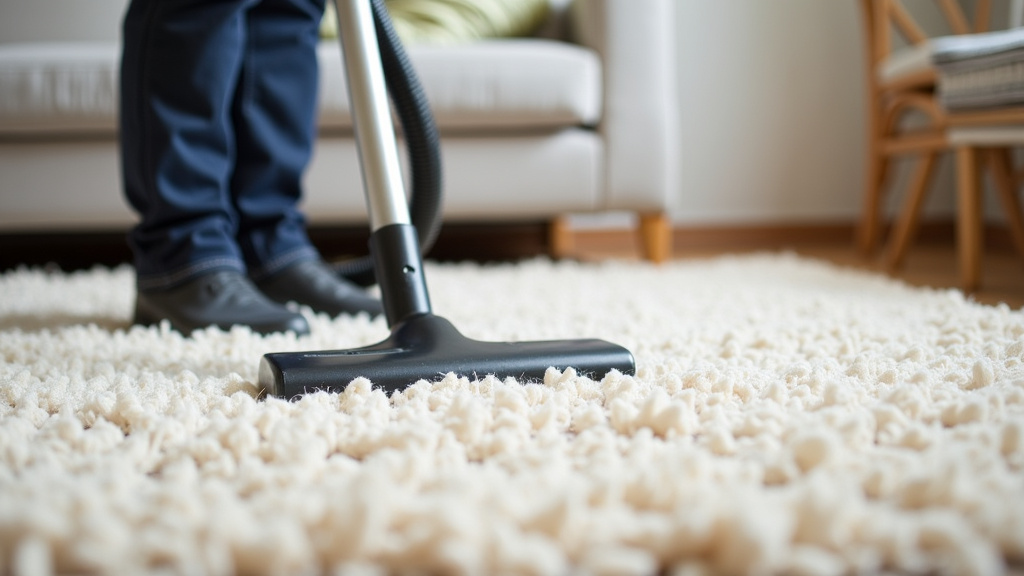
Best Practices for Vacuuming Wool Rugs
Now that you know about the settings and attachments, let’s talk about the actual technique. Consistency is key for keeping your wool rug looking its best.
Frequency: How Often Should You Vacuum?
Regular vacuuming is better than infrequent, aggressive cleaning. For most homes, vacuuming your wool rug **once a week** is a good starting point. If you have pets or high foot traffic, you might need to vacuum more often, perhaps twice a week.
Catching spills and dirt early is crucial for wool. The longer dirt sits, the deeper it can embed into the fibers, making it harder to remove and potentially causing wear.
Direction of Travel: Go with the Flow
Most rugs have a natural “pile direction.” If you look closely, you’ll see that the fibers lean in a particular way. Vacuuming in the same direction as the pile is generally gentler on the fibers.
You can test this by gently stroking the rug with your hand. Whichever direction feels smoother is usually the pile direction. When vacuuming, move the vacuum cleaner in that direction.
After vacuuming in the pile direction, you can go over it once or twice in the opposite direction with very gentle suction to help lift more debris. Then, finish with a final pass in the pile direction. This technique helps maintain the rug’s appearance.
Spot Cleaning First
Before you do a full vacuum, address any visible spills or stains. Blot up liquids immediately with a clean, white cloth. For dried-on dirt, you can sometimes gently scrape it away with a spoon or a dull knife.
Many carpet cleaning experts recommend using a mild soap and water solution for tougher spots. Always test any cleaning solution in an inconspicuous area first. Never overwet your wool rug, as this can damage the backing.
Dealing with Different Rug Types
Let’s consider some specific scenarios. If you have a shag wool rug, you’ll want to use a vacuum with a high pile setting or one that allows you to turn off the beater bar completely. The long fibers can easily get tangled.
For flatter weaves, you might have a bit more flexibility, but it’s still wise to err on the side of caution. Always start with the gentlest settings.
When to Call a Professional
While regular vacuuming is excellent for maintenance, deep cleaning is something that should be handled by professionals, especially for valuable wool rugs. They have specialized equipment and cleaning solutions that can clean your rug thoroughly without causing damage.
Many rug cleaning services offer professional cleaning for wool rugs. They understand the unique properties of wool and know how to clean it safely. This is usually recommended every 12-18 months, depending on usage.
What to Avoid
There are a few things you should **absolutely avoid** when vacuuming your wool rug:
- Never use a steam cleaner directly on a wool rug unless specifically instructed by the manufacturer.
- Avoid harsh chemicals or carpet shampoos not designed for wool.
- Don’t over-vacuum. Too much agitation, even with gentle settings, can still cause wear.
- Avoid commercial-grade vacuums with excessively powerful suction or aggressive brushes unless they have specific wool settings.
Your Wool Rug Vacuuming Checklist
To make things super simple, here’s a quick checklist to ensure you’re vacuuming your wool rug the right way:
- Check Manufacturer Instructions: Always start here.
- Disengage Beater Bar: Use a “bare floor” setting or turn the brush roll off.
- Adjust Height: Ensure the vacuum glides easily without sticking.
- Use Gentle Suction: Start with medium-low if adjustable.
- Vacuum in Pile Direction: Move with the fibers for gentlest cleaning.
- Regular Schedule: Aim for weekly vacuuming, more if needed.
Conclusion
You can absolutely vacuum your wool rug with the right approach. The key is to treat those natural fibers with care. By focusing on gentle settings, avoiding the aggressive beater bar, and using the correct attachments, you’ll keep your rug looking plush and beautiful. Remember to vacuum regularly in the direction of the pile. Now you have the knowledge to maintain your investment and enjoy your gorgeous wool rug for years to come!
Frequently Asked Questions
Will vacuuming my wool rug damage it?
Vacuuming can damage your wool rug if done improperly. Aggressive settings, especially an engaged beater bar, can snag or break delicate wool fibers. We found that using gentle suction and disengaging the brush roll is the safest method to prevent wear and tear.
What is the best vacuum setting for a wool rug?
The best setting is typically one that disengages the beater bar or lifts it high off the rug. Many vacuums have a “bare floor” or “hardwood” setting that does this, or a brush roll on/off switch. If unsure, test on a small, inconspicuous area first.
How often should I vacuum my wool rug?
For most homes, vacuuming your wool rug once a week is sufficient. If you have pets or high foot traffic, you may need to vacuum more frequently, perhaps twice a week. Regular, gentle cleaning prevents dirt from embedding too deeply.
Can I use a robot vacuum on a wool rug?
Many robot vacuums are safe for wool rugs, but you must check their specific settings. Look for models that allow you to adjust suction power or turn off their rotating brushes. We recommend checking the manufacturer’s guidelines for both your robot vacuum and your wool rug.
What should I do if my vacuum doesn’t have a beater bar off setting?
If your vacuum lacks a way to disengage the beater bar, the best approach is to use the highest height adjustment setting available. Ensure the vacuum head glides easily over the rug surface without sticking or pulling. You can also consider using an upholstery attachment for gentler cleaning.
