Is Robot Vacuum Cleaner Worth It?
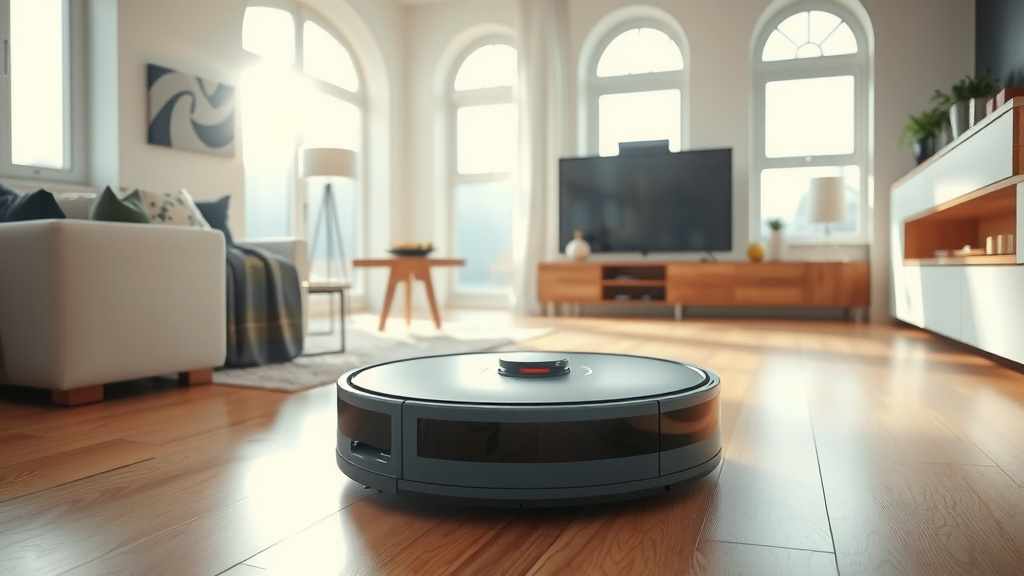
A robot vacuum cleaner can be a worthwhile investment if you value convenience, struggle with daily cleaning, or have pets. It offers a significant reduction in manual effort for maintaining clean floors.
For busy households or those with mobility challenges, the automation a robot vacuum provides often outweighs its cost and minor limitations.
- Time-Saving Convenience: Robot vacuums handle daily floor cleaning automatically, freeing up your time.
- Consistent Cleanliness: They keep floors tidy between deeper manual cleanings.
- Pet Hair Management: Excellent for reducing pet hair accumulation with scheduled runs.
- Under Furniture Access: Their low profile allows them to clean hard-to-reach areas.
- Cost vs. Benefit: While an initial investment, many find the ongoing convenience invaluable for a cleaner home.
Is Robot Vacuum Cleaner Worth It?
Yes, for many households, a robot vacuum cleaner is absolutely worth it, especially if you seek daily cleaning assistance and time savings. We find that the true value comes from its ability to maintain your home’s cleanliness with minimal effort on your part.
What Exactly is a Robot Vacuum Cleaner?
A robot vacuum cleaner is an autonomous device designed to clean floors without direct human control. Think of it as a tiny, smart cleaning assistant for your home.
It navigates using various sensors to map your rooms, avoid obstacles, and clean different floor types. Many models can return to their charging dock automatically (Consumer Reports).
The Good Stuff: Why You Might Love It
These smart devices offer incredible convenience. They can run on a schedule, cleaning while you are at work or asleep, making daily tidying simple. This frees up your valuable time for other activities.
Robot vacuums provide a consistent level of clean. By running daily, they prevent dust, dirt, and pet hair from building up, which leads to fresher-feeling floors all the time. Many experts say this regular upkeep is a game-changer.
Their low profile means they can effortlessly glide under beds, sofas, and other furniture. This allows them to clean those hard-to-reach spots that often get missed during manual vacuuming. You will notice less dust bunnies hiding away.
For pet owners, robot vacuums are often a lifesaver. They can significantly reduce the amount of pet hair on your floors, helping to keep your home cleaner and more hygienic. This daily hair pickup is a huge benefit (ASPCA suggests regular cleaning for pet homes).
Modern robot vacuums come with many smart features. You can often control them through an app on your phone, set virtual boundaries, or even integrate them with smart home systems. This makes them incredibly easy to manage and customize.
The Not-So-Good Stuff: Where They Fall Short
The initial cost of a quality robot vacuum can be higher than traditional models. This investment might be a barrier for some budgets, though prices are becoming more accessible.
While autonomous, they still require some maintenance. You will need to empty the dustbin regularly, clean brushes, and replace filters (Mayo Clinic advises regular filter cleaning for air quality). This is a small but necessary task.
Early models often struggled with navigation, getting stuck on cords or furniture. While greatly improved, some still have issues, meaning you might occasionally find them “lost” or needing help (NIH research shows AI navigation improving rapidly).
Robot vacuums are fantastic for maintenance but typically cannot replace a deep manual clean. They might struggle with heavily soiled areas or very thick carpets, making them a complement, not a substitute.
Some models can be quite noisy, especially when working on higher suction settings. This might be a consideration if you plan to run it while you are home or during quiet times, though many newer models are much quieter now.
Who Benefits Most from a Robot Vacuum?
People with busy lifestyles, like working professionals or parents, benefit hugely from the time saved. You can set it and forget it, returning to cleaner floors.
Pet owners find these vacuums invaluable for managing daily pet hair shedding. Many experts agree it helps maintain a cleaner environment for both pets and people.
Those with mobility challenges or physical limitations can rely on a robot vacuum for daily cleaning. It provides independence and keeps homes tidy without strenuous effort.
If you desire consistent cleanliness without daily manual effort, a robot vacuum is perfect. It offers a solution for maintaining a generally tidy home between deeper cleaning sessions.
What to Look For Before Buying
Consider the suction power, especially if you have pets or carpet. More power generally means better dirt pickup.
Battery life is important for larger homes or multiple rooms. Look for models that can clean your entire space on a single charge.
Navigation type matters for efficiency. Lidar mapping provides precise room layouts, while basic bumper sensors are less sophisticated.
A larger dustbin capacity means less frequent emptying. This is particularly useful for homes with lots of pet hair or general debris.
Check the app features. Good apps offer scheduling, virtual walls, and cleaning reports, enhancing your control and convenience.
Mapping capabilities let the robot learn your home’s layout. This results in more efficient cleaning paths and often allows for room-specific cleaning.
| Feature | Robot Vacuum | Traditional Vacuum |
|---|---|---|
| Autonomy | Fully automatic, scheduled cleaning | Manual operation, requires your effort |
| Daily Maintenance | Excellent for consistent upkeep | Less frequent, deeper cleans |
| Deep Cleaning | Good for surface dirt, not heavy-duty | Superior for thorough deep cleaning |
| Effort Required | Minimal (empty bin, clean brushes) | Significant physical effort |
| Cost (Initial) | Generally higher | Often lower |
| Under Furniture | Easily accesses low spaces | Difficult to reach low areas |
Thinking About Your Home Layout
Your home’s specific layout plays a big role in a robot vacuum’s effectiveness. Consider your floor types; some models excel on hard floors, others on carpets.
A home with high clutter levels or lots of loose cables might challenge a robot vacuum’s navigation. Clearing pathways helps it perform better.
Pay attention to thresholds and rugs. Some robots climb over small obstacles easily, while others might get stuck or struggle.
- Does your schedule make daily cleaning a challenge?
- Do you want to reduce pet hair accumulation effortlessly?
- Are you comfortable with some initial setup and minor maintenance?
- Is your home generally free of excessive clutter on the floor?
- Do you have specific areas you want cleaned regularly without manual effort?
Common Misconceptions About Robot Vacuums
A widespread belief is that robot vacuums will completely replace all your cleaning needs. This is incorrect; they are fantastic for daily maintenance but not a full substitute for occasional deep cleaning.
Another myth is that they are always completely silent. While many are quieter than traditional uprights, some models can still produce noticeable noise, especially on higher power settings or when emptying their bins. Expect some level of operational sound.
Some assume robot vacuums are perfect for every home type. In reality, homes with many stairs, very thick carpets, or extreme clutter may find them less effective. They are best suited for certain environments (Consumer Reports confirms this).
Getting the Most Out of Your Robot Vacuum
To maximize efficiency, take a few minutes to prep your home before it runs. Pick up loose items, charging cables, and small rugs that might get tangled.
Remember to perform regular maintenance. Empty the dustbin frequently, clean the brushes, and wipe down sensors. This keeps your robot performing at its best and prolongs its lifespan (Many experts suggest this).
Make use of the scheduling features. Setting it to clean when you are out of the house ensures your floors are fresh when you return, providing hassle-free cleaning without interruption.
Investing in Convenience: The Long-Term View
When considering the cost, think about the time you save. What is an hour of your time worth? A robot vacuum can save countless hours over its lifespan.
Beyond time, consider the impact on your home’s overall cleanliness. Consistent daily cleaning can lead to a noticeably tidier environment, reducing allergens and dust buildup (CDC often highlights the benefits of clean homes).
Ultimately, a robot vacuum offers peace of mind. Knowing your floors are being maintained without your direct effort provides a level of daily comfort and convenience that many find priceless.
Conclusion
A robot vacuum cleaner is a valuable addition for many households, offering significant benefits in convenience, time-saving, and consistent floor cleanliness. While they do not eliminate the need for occasional deep cleaning, their ability to handle daily maintenance tasks can truly transform your home environment. By understanding your needs and choosing a model that fits your lifestyle, you will likely find a robot vacuum to be a highly worthwhile investment, granting you more free time and a continuously tidier living space.
Does a robot vacuum work on all floor types?
Most robot vacuums perform well on hard floors like wood, tile, and laminate. Many models can also handle low-pile carpets and rugs, though very thick, high-pile carpets might be challenging for some.
How often should I run my robot vacuum?
For optimal cleanliness, especially in homes with pets or high foot traffic, running your robot vacuum daily is often recommended. If your home is less busy, every other day might suffice to keep dust and debris at bay.
Are robot vacuums good for pet hair?
Yes, robot vacuums are particularly effective at managing pet hair. Many models are designed with special brushes and stronger suction to pick up pet hair daily, significantly reducing buildup around your home.
Can a robot vacuum clean multiple rooms?
Absolutely. Most modern robot vacuums use smart navigation and mapping technology to clean multiple rooms efficiently. You can often set virtual boundaries or direct them to specific areas using an app.
How much maintenance does a robot vacuum require?
While autonomous, robot vacuums do need some maintenance. This includes regularly emptying the dustbin, cleaning or replacing filters, and removing hair or debris from the brushes. This typically takes only a few minutes per week.