Is It Safe To Use Vacuum Cleaner During Pregnancy?

Generally, it is safe to use a vacuum cleaner during pregnancy, provided you take certain precautions and listen to your body’s signals.
The key is to avoid heavy lifting, bending, and excessive strain to protect both you and your developing baby when using a vacuum cleaner during pregnancy.
For a quick overview, here’s the straightforward answer:
- Using a vacuum cleaner is generally fine, but lightweight models are best.
- Avoid heavy lifting and too much bending.
- Always choose vacuums with HEPA filters to improve air quality.
- Listen to your body and ask for help if needed.
- Take frequent breaks to prevent overexertion.
Is It Safe To Use Vacuum Cleaner During Pregnancy?
Yes, for most expecting mothers, using a vacuum cleaner is safe, but it truly depends on your individual health and how you feel. We found that the main concerns often revolve around physical strain and air quality.
Understanding the Concerns: What to Watch Out For
When you’re expecting, your body goes through amazing changes. These changes can make everyday tasks, even simple ones like vacuuming, feel different or more challenging. Let’s look at what might make you pause.
The Physical Strain of Vacuuming
Imagine pushing a heavy vacuum or lugging it upstairs. During pregnancy, your joints become looser, and your center of gravity shifts. This can make lifting, pushing, and pulling more strenuous, increasing the risk of back pain or even injury (Mayo Clinic).
Repeated bending to plug in the cord or reach under furniture also puts extra pressure on your back and growing belly. It’s a workout you might not need right now!
Noise Levels and Your Baby
You might wonder if the whirring sound of a vacuum cleaner affects your baby. Research often connects very loud, sustained noises to potential risks for developing babies (NIH). However, typical household vacuum noise is usually not loud enough to be a significant concern over short periods.
It’s more about your comfort level. If the noise gives you a headache or makes you feel stressed, that’s a signal to take a break or let someone else take over.
Dust, Allergens, and Air Quality
Vacuuming, especially with older models, can kick up a lot of dust, pet dander, and other allergens. Breathing in these particles isn’t ideal for anyone, and during pregnancy, your respiratory system can be more sensitive. We found that poor air quality can sometimes lead to irritation or worsen existing allergies.
It’s important to consider what you’re stirring up. Do you have a furry friend? Are there dust mites in your carpet? These can all become airborne during cleaning.
Chemical Exposures from Cleaning Products
While vacuum cleaners themselves don’t typically use harsh chemicals, the act of cleaning often involves them. If you’re vacuuming right after using a strong carpet cleaner or other household products, the fumes might linger. Many experts say it’s best to avoid strong chemical smells during pregnancy (CDC).
Always ensure good ventilation if you are combining vacuuming with other cleaning tasks. Fresh air is your friend!
Making Vacuuming Safer During Pregnancy
You’re not alone if you want to keep your home tidy during pregnancy. The good news is, with a few smart adjustments, you can often keep vacuuming safely. Think of these as your personal toolkit for a cleaner, healthier home.
Choosing the Right Vacuum Cleaner
Your choice of vacuum can make a huge difference in how safe and comfortable you feel. It’s like picking the right shoes for a long walk – comfort matters!
Lightweight and Easy to Maneuver Options
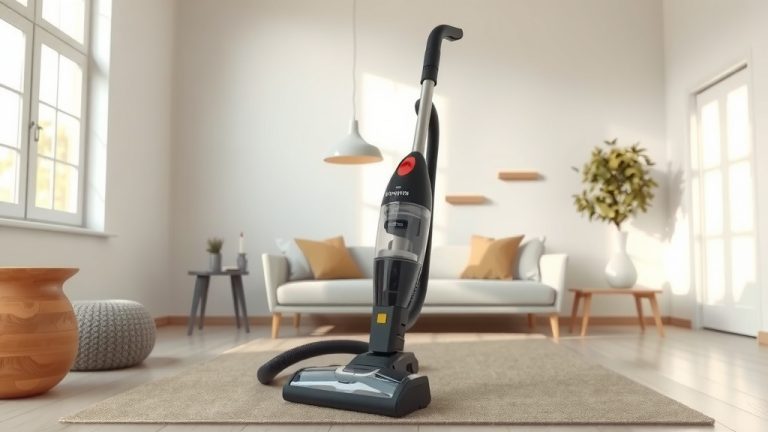
This is probably the most important tip. Ditch the heavy upright if you can! We found that a lightweight stick vacuum or a robotic vacuum can be a game-changer. These options reduce the strain on your back and arms.
Cordless models also mean no bending down to switch outlets, which is a small but mighty relief for your growing bump. Consider a handheld for quick clean-ups, too.
The Power of HEPA Filtration
To tackle dust and allergens, a vacuum with a HEPA filter is a must. These filters trap tiny particles, keeping them out of the air you breathe. It’s like having an extra layer of protection for your lungs and your home’s air quality.
Look for models that explicitly state “HEPA filter” or “sealed HEPA system.” This detail makes a big difference for indoor air.
Ergonomics and Body Mechanics
Think of your body as a precious cargo – because it is! How you move and position yourself matters more now than ever before.
Protecting Your Back and Belly
When you vacuum, try to keep your back as straight as possible. Instead of bending from your waist, try a slight squat if you need to reach something low. Push with your legs, not your back, and keep the vacuum close to your body. We found that slow, controlled movements are always best.
If your vacuum has an adjustable handle, use it! Set it to a height that allows you to stand upright comfortably.
Take Frequent Breaks
Your body is working overtime growing a human! So, don’t feel guilty about taking breaks. Many guidelines point to short, frequent rests as a good first step (Mayo Clinic). If you’re vacuuming more than one room, pause between each. Sit down, have a glass of water, and stretch lightly.
It’s not a race. Your well-being comes first, always.
Timing Your Cleaning Tasks
Sometimes, it’s not just what you do, but when you do it. Being strategic with your vacuuming schedule can help.
When is the Best Time to Vacuum?
Consider vacuuming when you feel your most energetic, which for many pregnant people might be in the morning or early afternoon. Avoid cleaning when you’re already tired or feeling unwell. If you’re experiencing morning sickness, maybe put off vacuuming until those waves pass.
Also, if possible, try to vacuum when others are out of the house. This limits their exposure to any stirred-up dust, and frankly, it’s just less chaotic for you!
When to Consider Getting Help
Pregnancy is a time to lean on your support system. Sometimes, the safest and kindest thing you can do for yourself is to ask for help.
Listen to Your Body’s Signals
Your body is incredibly smart. If you feel any pain, dizziness, shortness of breath, or just extreme fatigue while vacuuming, stop immediately. These are not signs to push through. Respect your body’s boundaries, especially now.
No clean floor is worth risking your health or your baby’s. Pay attention to those gentle nudges your body gives you.
Recruiting Your Partner or Family
This is a great opportunity for your partner, family, or even a friend to step up! Many experts say that dividing household chores is a wonderful way to share the load and support each other during pregnancy. Don’t be shy about asking.
A simple, “Honey, my back is feeling a bit tired today, could you help with the vacuuming?” often works wonders. Most people are more than happy to help.
Quick Checklist for Safe Vacuuming
- Choose a lightweight vacuum model.
- Ensure your vacuum has a HEPA filter.
- Take frequent breaks and rest.
- Maintain good posture, bending with your knees.
- Avoid heavy lifting or carrying the vacuum up stairs.
- Vacuum when others are out to reduce dust exposure.
- Open windows for ventilation if using cleaning products.
- Ask for help from others if you feel tired or uncomfortable.
| Vacuum Type | Pregnancy-Friendly Pros | Potential Cons |
|---|---|---|
| Robotic Vacuum | No lifting, no pushing, no bending required. Cleans while you rest. Excellent for daily maintenance. | Initial cost can be higher. May miss some corners or require occasional spot cleaning. |
| Stick Vacuum (Cordless) | Very lightweight and easy to maneuver. No cord to trip over or bend for. Great for quick clean-ups. | Battery life can be limited. Dustbin capacity might be smaller, requiring frequent emptying. |
| Canister Vacuum | Often lighter to push than uprights. Can be good for stairs if main unit stays on floor. | Still requires pulling the canister and carrying attachments. Might need more bending to store. |
| Upright Vacuum | Powerful suction, usually. | Can be heavy to push and lift. Requires significant physical effort, not ideal for pregnancy. |
Conclusion
Ultimately, your safety and comfort are paramount during pregnancy. While using a vacuum cleaner is generally safe, it’s all about being mindful of your body’s limits and making smart choices. Opt for lightweight options, prioritize HEPA filtration, and never hesitate to ask for help.
Remember, a slightly less-than-perfectly-clean floor is a small price to pay for your well-being and the health of your baby. You’ve got this, and we’re here to remind you that self-care is a crucial part of preparing for parenthood.
Frequently Asked Questions About Vacuuming During Pregnancy
When should a pregnant person stop vacuuming altogether?
There’s no universal cutoff date, as every pregnancy is unique. You should consider stopping vacuuming if you experience significant discomfort, back pain, pelvic pain, dizziness, or any other concerning symptoms. Always listen to your body and consult your doctor if you have any medical concerns.
Are there any specific vacuum cleaner features I should look for?
Yes, definitely! Prioritize vacuums that are lightweight and easy to maneuver, such as stick vacuums or robotic vacuums. A HEPA filter is also highly recommended to improve air quality by trapping allergens and fine dust, protecting your respiratory system.
Is it safe to empty the vacuum cleaner bin or change bags while pregnant?
Yes, it is generally safe. However, to minimize exposure to dust and allergens, we recommend emptying the bin or changing the bag outdoors or in a well-ventilated area. If possible, wear a dust mask to prevent inhaling airborne particles, especially if you have allergies.
What household chores should I avoid during pregnancy besides potentially vacuuming?
While everyone’s capacity differs, it’s generally advised to avoid chores involving heavy lifting, climbing on ladders, or prolonged bending. Tasks involving strong chemical fumes, like oven cleaning with harsh products or painting, should also be avoided or delegated. Cleaning litter boxes is also usually off-limits due to toxoplasmosis risk.
Can the noise from a vacuum cleaner harm my baby’s hearing?
Typical household vacuum cleaner noise is usually not loud enough or sustained long enough to harm your baby’s hearing. The amniotic fluid in your womb provides a good buffer. However, if the noise makes you feel stressed or uncomfortable, it’s a good idea to take breaks or delegate the task for your own comfort.