
How To Vacuum Pack Clothes With Vacuum Cleaner?
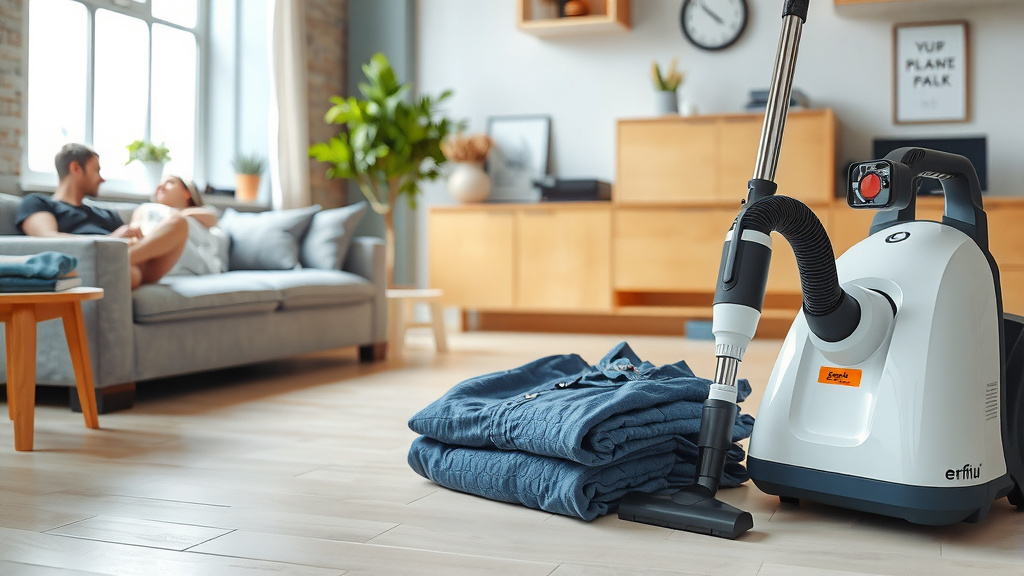
You can vacuum pack clothes with a vacuum cleaner by using specialized vacuum storage bags. Simply place your garments inside the bag, seal the zipper almost completely, attach your vacuum cleaner’s hose to the bag’s valve, and run the vacuum to remove the air until the bag flattens.
This clever technique helps you reclaim significant storage space in your closets, drawers, or luggage, while also protecting your clothing from moisture, dust, and pests.
TL;DR: Here’s a quick overview of vacuum packing clothes with your regular vacuum:
- Gather your supplies: vacuum bags, a working vacuum cleaner, and your chosen clothes.
- Ensure clothes are clean and dry, then fold them neatly to maximize space inside the bags.
- Place clothes into the vacuum bag without overfilling it, then seal the zipper tightly, leaving only the valve open.
- Attach your vacuum cleaner hose to the bag’s valve and turn on the vacuum to extract all the air.
- Once flattened, quickly detach the vacuum and close the bag’s valve securely to maintain the seal.
How To Vacuum Pack Clothes With Vacuum Cleaner?
Using your household vacuum cleaner to pack clothes is a surprisingly simple and effective trick. It helps you save a remarkable amount of space and keeps your items protected during storage or travel. You’ll be amazed at how much you can fit!
Why Bother Vacuum Packing Your Clothes?
Have you ever struggled to close a suitcase or wished for more space in your closet? Vacuum packing is your solution. We found that it shrinks bulky items like sweaters and blankets, making them incredibly compact.
Beyond saving space, this method also offers excellent protection. It creates an airtight seal, safeguarding your clothes from dust, dirt, moisture, mildew, and even insects (Mayo Clinic). Think of it as a little cocoon for your garments.
Gathering Your Tools: What You’ll Need
Before you begin, gather a few essential items. You likely have most of these already at home. It’s a straightforward setup, truly.
- Vacuum Storage Bags: These are special bags with a one-way air valve.
- Your Household Vacuum Cleaner: Almost any standard vacuum with a hose attachment will work.
- The Clothes You Want to Pack: Make sure they are clean and dry.
Picking the Perfect Vacuum Storage Bags
Not all vacuum bags are created equal. You’ll find different sizes for various items, from small travel bags to large bags for bedding. We recommend choosing bags that are durable and puncture-resistant. Read reviews; many experts say a good quality bag makes all the difference.
Consider if you need travel-friendly roll-up bags or larger sizes for long-term storage. For items like bulky winter coats, you’ll want a larger bag to accommodate them comfortably.
Getting Your Garments Ready
Preparation is key for the best results. Always start with clean, completely dry clothes. Packing damp items can trap moisture, leading to mildew or odors. Nobody wants that surprise!
Fold your clothes neatly. This helps them lie flat inside the bag and prevents excessive creasing. Think about how you fold laundry for your dresser; the same care applies here.
Your Step-by-Step Guide to Vacuum Packing
Ready to transform your storage? Follow these steps, and you’ll be a vacuum-packing pro in no time. It’s much simpler than it sounds, honestly!
Step 1: Open the Bag and Load
Lay your vacuum storage bag flat on a clean surface. Open the zipper seal at the top. Carefully place your folded clothes inside. Try to distribute them evenly without overfilling; this makes sealing easier.
Step 2: Seal the Zipper
Now, carefully seal the bag’s zipper. Run your fingers along the double seal to ensure it’s tightly closed on three sides. Leave just the one-way valve exposed for your vacuum cleaner. This step is really important for success.
Step 3: Attach the Vacuum Cleaner
Locate the air valve on the vacuum storage bag. Remove the cap if there is one. Take your vacuum cleaner’s hose attachment and place it directly over the bag’s valve. Make sure it forms a relatively snug fit.
Step 4: Start the Vacuum
Turn on your vacuum cleaner. You’ll immediately see the bag start to compress. Watch as the air is sucked out and your clothes flatten down. It’s quite satisfying to observe!
Step 5: Monitor and Remove
Continue vacuuming until most of the air is removed and the bag is compact. Don’t overdo it to the point of potentially damaging the bag or clothes. Once it’s flat, quickly switch off the vacuum cleaner and remove the hose.
Step 6: Double-Check the Seal
As soon as you remove the hose, replace the cap on the bag’s valve firmly. Check the entire zipper seal once more. A good seal means your clothes will stay compact and protected. If air starts creeping back in, you might have a tiny leak or an improper seal.
Expert Tips for Perfect Vacuum Packing
Want to get the absolute best results? A few extra pointers can make a big difference. We found these tips to be particularly helpful for many users.
Don’t Overstuff Your Bags
It’s tempting to cram as much as possible into one bag, but resist the urge! Overfilling can strain the zipper and valve, leading to leaks. It also makes it harder for the air to be fully extracted. Aim for about 80% capacity for optimal results.
Mind Sharp Edges
Be careful with clothes that have zippers, buttons, or embellishments. These can create sharp points that might puncture the bag. You might want to turn garments inside out or place softer items around them for protection.
Folding vs. Rolling: What’s Better?
Many experts say that neat folding works best for vacuum bags. Rolling clothes can sometimes create uneven air pockets, making the compression less effective. However, some travel bags are designed specifically for rolling, so always check your bag’s instructions.
Steering Clear of Common Pitfalls
Even with good intentions, mistakes can happen. Let’s look at some common errors people make, so you can avoid them entirely. A little foresight saves a lot of frustration!
The Wet Clothes Trap
As we mentioned, always pack completely dry clothes. Even slightly damp items can cause mildew and a horrible smell when sealed in an airtight bag for a long time. It’s a risk not worth taking!
Forgetting the Zipper Seal
A loose or unsealed zipper is the main culprit for bags reinflating. Take an extra moment to run your fingers across the entire zipper path to ensure it’s perfectly sealed before vacuuming. It’s like ensuring your lunch box is fully closed.
When Is Vacuum Packing Your Best Bet?
Vacuum packing isn’t just for long-term storage. It’s a versatile solution for many situations. We found it especially useful in these scenarios:
| Purpose | Benefit |
|---|---|
| Seasonal Storage | Store bulky winter coats or summer linens compactly for months. |
| Moving Home | Reduce moving box volume for clothes and bedding, saving space and cost. |
| Travel | Maximize suitcase space for longer trips or fitting more souvenirs. |
| Small Living Spaces | Keep clothes organized and compact in apartments or dorms. |
Maintaining Your Vacuum Bags for Longer Life
Your vacuum bags are an investment in organized living. To make them last, handle them with care. Avoid dragging them or placing them near sharp objects that could cause tears. If you see a small tear, some people use strong packing tape for a temporary fix.
Between uses, store your empty bags neatly. Many experts say that keeping them out of direct sunlight can help preserve the plastic. A little care means they’ll be ready for your next packing project!
Conclusion
Vacuum packing clothes with your regular vacuum cleaner is an effective and simple solution for creating extra space and protecting your garments. By following these straightforward steps and tips, you can efficiently store seasonal items, prepare for a move, or even maximize your luggage capacity. It’s a practical skill that really pays off in convenience and organization. Give it a try, and enjoy a clutter-free space!
Frequently Asked Questions About Vacuum Packing Clothes
How long do clothes stay vacuum packed?
When properly sealed, vacuum-packed clothes can remain compressed and protected for several months, even up to a year or more. The longevity often depends on the quality of the vacuum bag and the integrity of its seal.
Can all fabrics be vacuum packed?
Most fabrics like cotton, wool, and synthetics are fine for vacuum packing. However, delicate items, leather, down-filled items, or anything that needs to “breathe” might not be ideal, as extreme compression can sometimes damage their structure or fibers.
Will my clothes get wrinkled if I vacuum pack them?
Yes, clothes can get quite wrinkled due to the intense compression. Items like formal wear, silk, or linen are more prone to wrinkling. For these, consider rolling them gently or simply folding them neatly without vacuum packing, if wrinkles are a major concern.
What if my vacuum bag starts to re-inflate?
If your vacuum bag starts to re-inflate, it means air is getting back inside. The most common reasons are an improper seal on the zipper, a loose cap on the valve, or a small puncture in the bag. Check all these areas carefully to find and fix the leak.
Can I vacuum pack food items in these same bags?
It’s generally not recommended to use standard clothes vacuum bags for food items. Food-grade vacuum sealers and bags are specifically designed to safely store food and often provide a stronger, more consistent seal for preserving freshness and preventing spoilage.
