
How To Make A Vacuum Cleaner At Home?
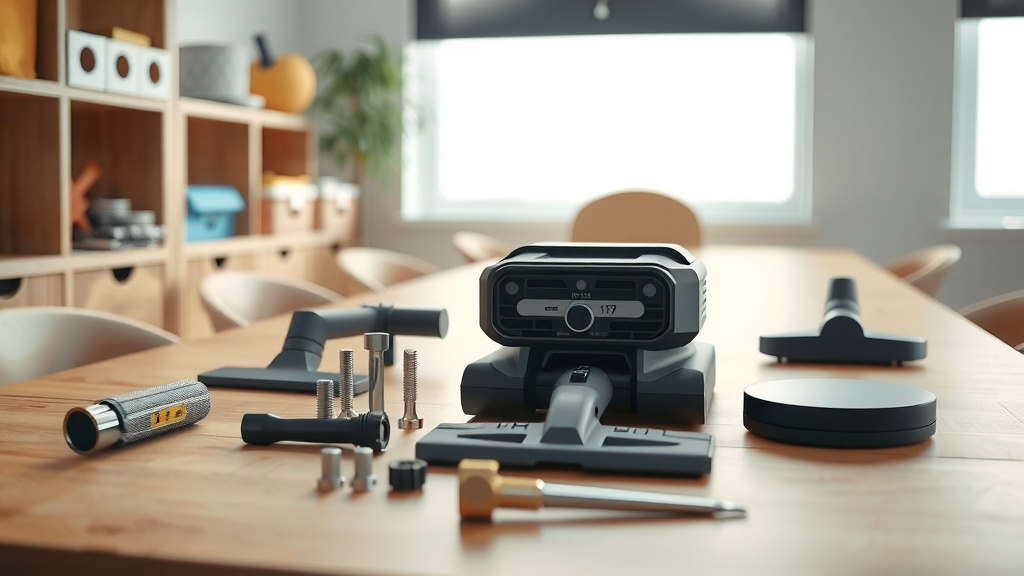
You can certainly make a very basic vacuum cleaner at home using common household items like a plastic bottle, a small DC motor, and a tiny fan or propeller. This DIY project works by creating a low-pressure area inside to pull in light dust and debris.
To craft a simple vacuum cleaner at home, you will primarily need a plastic bottle, a mini electric motor, a small fan blade or propeller, some connecting wires, and a power source like batteries.
For those short on time, here’s the essence of making your own vacuum:
- Gather basic items: a plastic bottle, a DC motor, and a small fan.
- Assemble the fan to the motor, then carefully install it within the bottle.
- Wire up your motor to a battery pack and add a simple switch for control.
- Create an air inlet nozzle and a separate opening for dust collection.
- Remember, homemade vacuums are best for very light, dry messes and are more of a learning experience than a practical heavy-duty tool.
How To Make A Vacuum Cleaner At Home?
Making a homemade vacuum cleaner is a fun project, more about understanding basic physics than replacing your store-bought cleaner. It’s perfect for picking up tiny crumbs or dust from your desk. Think of it as a miniature demonstration of how suction works.
Why Build a DIY Vacuum?
Perhaps you are curious about how things work, or maybe you need a simple tool for very small messes. Building your own offers a great way to learn about motors and airflow. We found that many enjoy this as a weekend science project. It can effectively clean up things like pencil shavings or dry cereal spills.
Essential Materials You’ll Need
Before you begin, gather your supplies. You won’t need anything fancy, just a few readily available items. Think of it as a treasure hunt in your own home or a quick trip to an electronics hobby shop. Having everything ready makes the process smooth.
| Item | Purpose |
|---|---|
| Plastic Bottle (2L soda bottle works well) | Main body and dust collector |
| Small DC Motor (3-6V) | Powers the fan for suction |
| Mini Propeller or Fan Blades | Creates the airflow and suction |
| Battery Pack (for 3-6V batteries) | Provides power to the motor |
| Connecting Wires | Links motor to battery pack |
| Toggle Switch (optional, but helpful) | Controls power easily |
| Utility Knife or Scissors | For cutting and shaping the bottle |
| Hot Glue Gun or Strong Adhesive | Securing components firmly |
| Small Mesh (optional) | Acts as a simple dust filter |
The Power Core: Choosing Your Motor
Your motor is the heart of your vacuum. A small DC motor, typically 3-6 volts, is ideal for these projects. You might find one in old toys or available at electronics stores. It needs to be strong enough to spin your propeller at a good speed.
The Suction Secret: Propeller or Fan Blades
This is where the magic happens! A small, lightweight propeller or fan blade will create the necessary airflow. We found that plastic models from hobby stores work best. Make sure it fits securely onto your chosen motor’s shaft.
The Body: What Kind of Bottle Works Best?
A 2-liter plastic soda bottle is often perfect. Its sturdy design and ample space make it suitable for housing components and collecting dust. Just be sure to clean it thoroughly before you start your project.
Step-by-Step Assembly Guide
Ready to get your hands dirty? Building your vacuum is a process of small, logical steps. Take your time, and don’t rush. Safety is key when working with sharp tools and electrical components.
- Prepare Your Bottle Body: Cut the bottle. You’ll need an opening for the nozzle and another for the motor housing. Many designs cut the bottom third off, then reattach it later.
- Mounting the Motor and Fan: Secure the motor near the cut opening, often at the base or side of the bottle, ensuring the fan points inward. Use hot glue to keep it firmly in place. The fan should spin freely without touching the bottle’s sides.
- Wiring It Up Safely: Connect your motor to the battery pack using wires. If you have a switch, wire it into one of the lines for easy on/off control. Always ensure wires are secure and insulated (Consumer Product Safety Commission guidelines often remind us to check for exposed wires).
- Creating the Dust Collection: Design an inlet nozzle, typically a smaller hole near the front of the bottle, where suction will occur. The larger part of the bottle will act as your dust collection chamber. Some designs incorporate a small mesh filter inside.
Testing Your Homemade Cleaner
Once assembled, it’s time for the moment of truth! Hold your breath, flick the switch, and listen. You should hear the motor whirring and feel a gentle suction at the nozzle. Try it on a few breadcrumbs or dust bunnies. It won’t pick up a bowling ball, but it should manage small, dry debris.
Is a DIY Vacuum for You?
A homemade vacuum is excellent for light tasks and scientific exploration. However, it’s not designed for deep cleaning or large spills. Commercial vacuums use much more powerful motors and sophisticated filtration systems. For instance, commercial vacuums create significantly higher CFM (Cubic Feet per Minute) ratings, which homemade versions cannot match (National Institutes of Health research on air quality often references professional filtration). Our homemade version is a testament to ingenuity, not industrial strength.
Safety First: Important Reminders
When working with electrical components, even low voltage, safety is paramount. Always ensure your wires are insulated. Never use your homemade vacuum near water or liquids, as this poses a serious electrical hazard. Keep it away from your hair and loose clothing when operating. Treat it like any electrical device, with respect and caution.
Upgrading Your Design
Feeling ambitious? You could try adding a small, fine mesh filter before the motor to prevent dust from damaging it. Experiment with different bottle shapes or nozzle sizes for varied suction patterns. Some hobbyists even try using a slightly more powerful motor, but always ensure your power source can handle it safely. Learning is often about experimenting!
Conclusion
Building your own vacuum cleaner at home is a rewarding project that demonstrates fundamental engineering principles. While it won’t replace your heavy-duty cleaning equipment, it offers a fantastic hands-on learning experience. You’ve explored basic mechanics, electrical wiring, and the science of suction. It’s a powerful reminder that with a little creativity and common materials, you can bring ideas to life. Enjoy your new, miniature cleaning contraption!
Can a homemade vacuum cleaner pick up liquid spills?
No, a homemade vacuum cleaner designed from plastic bottles and small DC motors is strictly for dry messes. Attempting to pick up liquids could cause an electrical short circuit, damage the motor, or create a significant safety hazard. Always keep it away from water.
How powerful is a DIY vacuum compared to a store-bought one?
A DIY vacuum cleaner is significantly less powerful than a commercial model. Store-bought vacuums have specialized, high-wattage motors and sealed systems for strong suction and advanced filtration. Homemade versions offer only minimal suction, suitable for very light debris like crumbs or dust, not deep cleaning.
What is the best type of motor for a homemade vacuum?
For a simple homemade vacuum, a small 3-6 volt DC motor is generally ideal. These motors are easy to power with AA or AAA batteries and provide enough rotation for a small fan to create basic suction. You can often find them in hobby shops or repurposed from old electronic toys.
Are there any age restrictions for making a DIY vacuum?
While the project is educational, it involves cutting plastic with a utility knife or scissors and working with electrical wires. Therefore, it is generally recommended for older children or teenagers, always under adult supervision. Safety with tools and electricity is a top concern.
Can I make a larger or more powerful homemade vacuum?
You could theoretically attempt a larger version, but scaling up significantly presents challenges. More powerful motors require more robust power sources and could generate heat or noise. The structural integrity of common household materials also limits effective large-scale suction. For genuinely powerful cleaning, commercial vacuums are purpose-built and safer.
