How To Clean Vacuum Cleaner Hose?
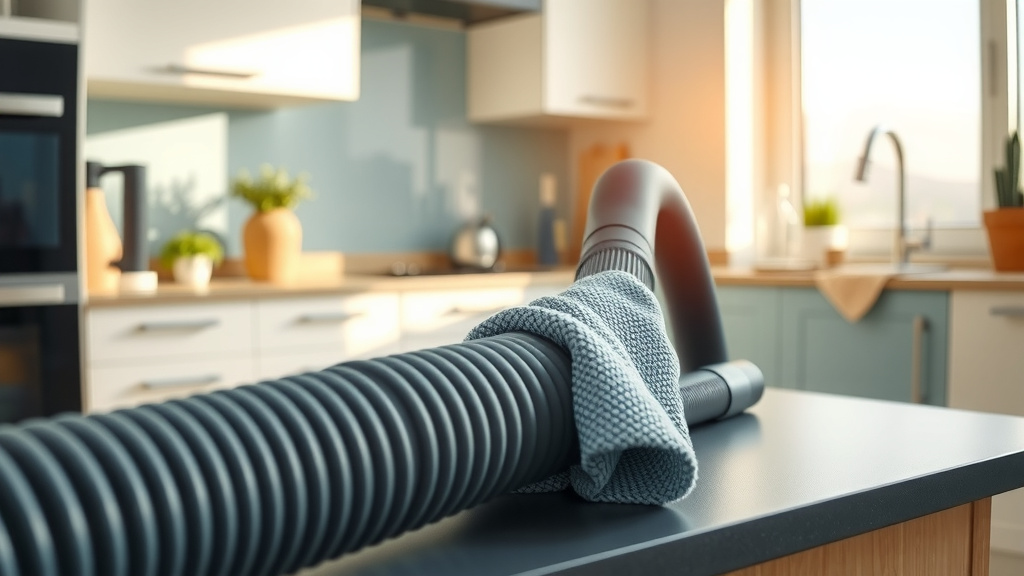
To clean a vacuum cleaner hose, first detach it from the vacuum and shake out loose debris, then soak it in warm, soapy water to loosen dirt and stubborn clogs.
Regularly cleaning your vacuum cleaner hose prevents blockages, restores suction power, and ensures your vacuum operates efficiently, making your cleaning tasks much easier and more effective.
Here’s a quick look at how to get your vacuum hose sparkling clean:
- Safely disconnect your vacuum hose from the unit.
- Give it a good shake to dislodge any loose dirt.
- Submerge the hose in warm water mixed with a little dish soap.
- Use a long, flexible brush or a specialized hose cleaning tool.
- Rinse the hose completely clean and let it air dry.
How To Clean Vacuum Cleaner Hose?
You can effectively clean your vacuum cleaner hose by removing it, soaking it in warm, soapy water, and then scrubbing the inside with a long brush or a hose cleaning kit.
Your vacuum cleaner hose is like the main artery of your cleaning machine. If it’s clogged or dirty, your whole vacuum struggles. Ever wonder why your vacuum just isn’t picking up like it used to? A dirty hose might be the culprit. Cleaning it brings back its full suction power.
Why Bother Cleaning Your Vacuum Hose?
Imagine trying to drink through a straw full of gunk. Not fun, right? Your vacuum hose faces the same challenge. A clear hose means stronger suction and a cleaner home.
Many experts we found suggest regular maintenance extends the life of your appliance. A clean hose helps your vacuum run more efficiently, putting less strain on the motor. This saves you money in the long run.
Signs Your Vacuum Hose Needs a Clean
Is your vacuum leaving crumbs behind? Does it sound like it’s struggling? These are clear signals. You might also notice a lingering smell, especially after vacuuming up pet hair or food spills.
Sometimes, you can even feel a blockage by running your hand along the hose. We found that visible dust buildup inside the hose is another tell-tale sign that it’s time for a deep clean.
What You’ll Need: The Cleaning Arsenal
Gathering your tools makes the job much smoother. You likely have most of these items already around your home. No special equipment is usually needed.
Gather Your Supplies
- Warm water (a bathtub or large basin works well)
- Dish soap (a few drops are enough)
- Long, flexible brush (like a dryer vent brush or a bottle brush)
- Old towel or rags
- Optional: hose cleaning kit or a plumbing snake
Step-by-Step Guide: Cleaning Your Vacuum Hose
Let’s get that hose sparkling. Taking it one step at a time makes the process simple and effective. You’ll be surprised how much better your vacuum performs.
1. Disconnect the Hose Safely
First things first, make sure your vacuum is unplugged. Safety always comes first. Then, carefully detach the hose from both the main unit and any attachments.
Most hoses have simple clips or twist-off mechanisms. Take your time to avoid damaging any connections. Some models might require pushing a button or releasing a latch.
2. Shake Out Loose Debris
Hold the hose vertically and give it a good shake. You’ll be surprised by what falls out! Sometimes a stubborn clump of pet hair or a small toy is the sole cause of your problem. Many people describe this as the “rattle test” (Vacuum Cleaner Lab).
3. Soaking the Hose
Fill a bathtub or a large basin with warm water. Add a few drops of dish soap – just enough to create a light suds. Submerge the entire hose into the soapy water.
Let it soak for about 15-30 minutes. This helps to loosen caked-on dust, dirt, and any sticky residues. Think of it like a spa day for your vacuum hose!
4. Scrubbing Away the Grime
Now for the hands-on part. Take your long, flexible brush and feed it through the hose. Work it back and forth, scrubbing the inside walls. You’ll see dirt and grime flushing out.
If you have a particularly stubborn clog, a plumbing snake or a specialized hose cleaning kit can be very helpful. Be gentle to avoid scratching the inside of the hose.
5. Rinse Thoroughly
Once you’ve scrubbed, it’s time to rinse. Run clear, warm water through the hose until no more soap suds or dirty water comes out. You want it to be completely free of residue.
Hold it up to the light to ensure it’s clear. A clean rinse means no sticky residue left behind to attract new dirt.
6. Drying the Hose Completely
This step is crucial. You must allow the hose to dry completely to prevent mildew or unpleasant odors. Hang it somewhere warm, like over a shower rod, or outdoors on a clothesline.
Give it at least 24 hours, or even longer in humid climates. Some people even use a fan to speed up the process (Consumer Reports). A thorough dry prevents future issues.
Comparing Cleaning Methods
Different types of hoses and clogs might call for slightly varied approaches. Here’s a look at common methods:
| Method | Best For | Pros | Cons |
|---|---|---|---|
| Soaking & Brushing | General dirt, mild clogs | Thorough, deep clean, uses common items | Requires drying time |
| “Snake” Tool | Stubborn, solid clogs | Effective for tough blockages | Can scratch delicate hoses if not careful |
| Compressed Air | Light dust, minor blockages | Quick, no water needed | May push clogs deeper, less effective for sticky dirt |
Preventative Maintenance: Keeping it Clean
An ounce of prevention is worth a pound of cure, right? This is especially true for your vacuum hose. A few simple habits can keep it clear for longer.
Tips for a Clear Hose
- Check for large items: Before vacuuming, quickly scan the floor for toys, coins, or socks.
- Empty the bin regularly: A full dustbin reduces suction and can cause clogs.
- Shake out attachments: After use, give your hose attachments a shake to clear debris.
- Regular light cleaning: Every few months, just run clear water through it to rinse out dust.
- Use the right settings: Don’t try to vacuum up something your machine isn’t designed for.
When to Consider Replacing the Hose
Sometimes, a hose is beyond cleaning. If you see cracks, tears, or holes, suction will suffer, and cleaning won’t fix it. A heavily damaged hose needs replacement.
Visible internal damage, like a collapsed section that won’t regain its shape, also means it’s time for a new one. A damaged hose can also be less energy efficient (U.S. Department of Energy).
Your Vacuum Hose Cleaning Checklist:
Here’s a quick reminder of the key steps to make sure your vacuum hose is perfectly clean:
- Unplug your vacuum for safety.
- Detach the hose from both ends.
- Shake out any obvious debris.
- Soak the hose in warm, soapy water.
- Scrub the interior with a long brush.
- Rinse the hose thoroughly with clean water.
- Allow it to air dry completely for at least 24 hours.
Conclusion
Cleaning your vacuum cleaner hose might seem like an extra chore, but it’s a simple task that yields big results. A clean hose means your vacuum works better, your floors get cleaner, and your machine lasts longer. By following these steps, you’re not just cleaning a hose; you’re restoring your vacuum’s full power. Keep it clean, and enjoy a much more efficient cleaning experience!
How often should I clean my vacuum cleaner hose?
Most experts suggest cleaning your vacuum hose every 3-6 months, especially if you have pets or vacuum frequently. If you notice reduced suction or bad odors, clean it sooner.
Can I use bleach to clean my vacuum hose?
No, avoid using bleach or harsh chemical cleaners. They can damage the hose material, making it brittle or discolored. Warm water with a few drops of dish soap is usually sufficient and much safer.
What if my vacuum hose has a really stubborn clog?
For persistent clogs, try using a plumbing snake or a specialized vacuum hose cleaning kit. You can also try gently pushing a stiff wire hanger (unbent) through the hose. Always be careful not to puncture the hose.
Is it okay to run my vacuum with a wet hose to dry it faster?
Absolutely not. Running your vacuum with a wet hose can damage the motor and electrical components, creating a safety hazard. Always ensure the hose is completely dry before reattaching and using your vacuum.
Can a dirty vacuum hose cause bad odors?
Yes, definitely. Dirt, dust, pet hair, and food particles trapped inside the hose can break down over time, leading to unpleasant, musty odors that circulate through your home every time you vacuum. Cleaning the hose eliminates these odor sources.