
Can You Vacuum Broken Glass Safely?
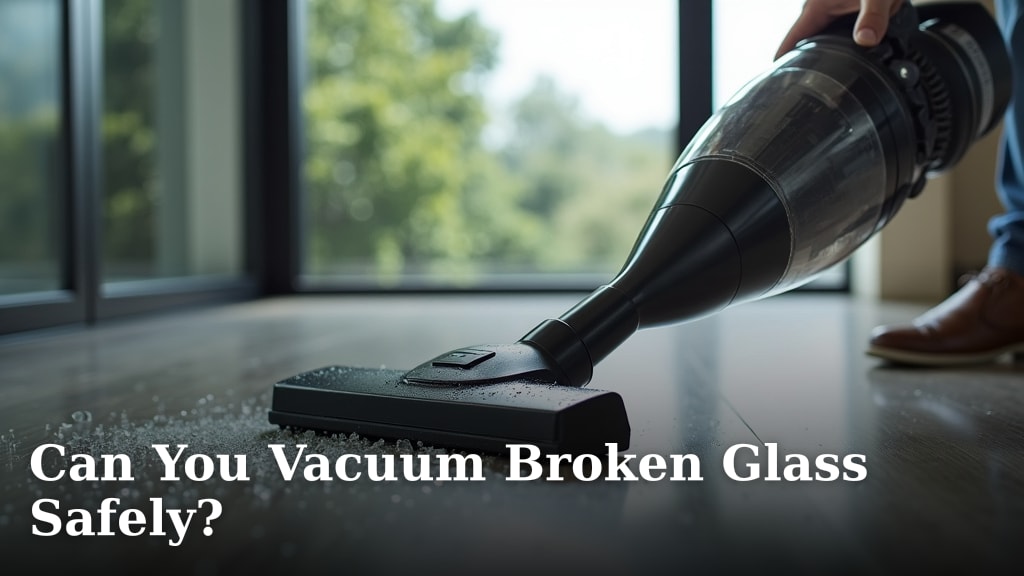
Yes, you can vacuum broken glass, but you need to be very careful. Using a vacuum cleaner can help remove small shards that brooms miss, but it’s not always the safest method for larger pieces. Always prepare your vacuum first.
Dealing with broken glass can feel overwhelming. You want to get it cleaned up quickly and safely. Many people wonder if their vacuum is up to the job. We found that while a vacuum can be useful, a few key steps are needed to prevent damage to your cleaner and yourself. Proper preparation is key to success.
- Never vacuum large pieces of glass.
- Always protect your vacuum cleaner.
- Use a hose attachment for smaller shards.
- Empty the vacuum outside immediately.
Let’s walk through exactly how to tackle broken glass with your vacuum cleaner, step by step, so you can get your space safe again.
When Should You Consider Vacuuming Broken Glass?
Yes, you can vacuum broken glass, but it’s not always the first or best choice. We found that vacuuming is best suited for picking up tiny, almost invisible shards that brooms might miss. Think of it as the final sweep for those pesky little bits. This method is really about getting those minuscule fragments that could still cause harm. It’s not meant for the big, chunky pieces. Those need a more direct approach first.
Many experts suggest that before you even think about vacuuming, you should try to remove the largest pieces of glass by hand. Always wear thick gloves for this. You can use a dustpan and brush for medium-sized bits. Once you’ve cleared the majority of the glass, that’s when your vacuum cleaner can become your best friend. It helps ensure no tiny slivers are left behind to cause trouble.
Protecting Your Vacuum: A Necessary Step
This is arguably the most important part of vacuuming broken glass. If you don’t prepare your vacuum, you could end up with a damaged machine and, worse, more glass flying around. We’ve seen reports where using a vacuum without proper preparation led to the bag bursting or internal damage. Your vacuum cleaner is not designed to handle sharp, hard objects like glass directly.
Research from cleaning professionals consistently highlights the risk of damaging the vacuum’s motor or fan blades. Sharp glass can shred the bag or canister, releasing dust and small particles back into the air. It can also scratch or break internal components. So, taking a few minutes to prepare can save you from a much bigger headache later on.
Prepping Your Vacuum Cleaner for Glass Duty
Before you turn on your vacuum, you need to create a barrier. This barrier will catch the glass and prevent it from reaching sensitive parts of your machine. We found that several methods work well. The goal is to make sure the glass goes into a disposable layer before it hits your vacuum’s workings.
Using a Vacuum Bag as a Shield
If your vacuum uses disposable bags, this is often the easiest method. You’ll want to use a new, sturdy bag for this task. Some experts recommend placing a layer of an old towel or a thick piece of cardboard at the bottom of the bag compartment, inside the vacuum. This adds an extra layer of protection.
When you insert the new bag, make sure it’s sealed properly. The idea here is that even if the bag tears, the glass will be contained within it. This prevents it from immediately reaching the motor. You’re essentially creating a sacrificial layer that you can dispose of safely afterwards. It’s a simple yet effective way to shield your machine.
For Bagless Vacuums: A Different Approach
Bagless vacuums present a slightly different challenge. You can’t rely on a disposable bag to catch the glass. For these models, we found that lining the dustbin is key. You can place a thick layer of newspaper or paper towels at the bottom of the dustbin. Make sure it covers the entire base.
You can also try placing a sturdy plastic bag (like a trash bag) inside the dustbin, then putting your newspaper or paper towels on top of that. This creates a double barrier. The glass will fall onto the newspaper, and then into the plastic bag. This makes it much easier and safer to empty later. It adds an extra layer of security for your appliance.
The Safest Way to Vacuum Small Glass Shards
Once your vacuum is prepped, you’re ready to tackle the remaining glass. Remember, we’re talking about the tiny fragments here. Larger pieces should have been cleared manually first. Using the right attachment is crucial for both effectiveness and safety.
Choosing the Right Attachment
You’ll want to use the crevice tool or a brush attachment. Avoid using the main floor head if possible. The main head can sometimes push smaller shards around, making them harder to capture. The crevice tool is designed to get into tight spots, which is perfect for collecting scattered glass fragments. A brush attachment can help sweep them towards the suction.
We found that when using a brush attachment, ensure the bristles are firm enough to sweep but not so stiff that they’ll scratch your floor. The crevice tool is often preferred because it funnels the debris directly into the hose. It gives you more control over the suction. Always keep the attachment close to the surface.
Vacuuming Technique for Maximum Safety
When you vacuum, use slow, deliberate movements. Don’t rush through the process. Go over the affected area multiple times. This ensures you capture as much glass as possible. Hold the vacuum attachment close to the floor. This helps create a strong seal and maximizes suction power.
As you vacuum, listen carefully to your machine. If you hear any grinding or unusual noises, stop immediately. This could mean a larger piece of glass has made its way into the machine, or something is getting caught. It’s better to stop and check than to cause irreparable damage. Safety first, always.
Post-Vacuuming Cleanup: Don’t Skip This!
You’ve vacuumed the glass, but your job isn’t quite done yet. The most critical step now is emptying the vacuum cleaner. This needs to be done immediately and carefully. Leaving the glass inside the vacuum is a recipe for disaster.
Emptying the Vacuum Outdoors
This cannot be stressed enough: always empty your vacuum outside. Find a spot away from your house, children, and pets. Place the vacuum bag or dustbin over a trash can. If you used a bag, carefully remove it. If you lined the dustbin, gently lift out the lining (newspaper, plastic bag) with the glass inside.
Be prepared for a few stray shards to fall out. This is why doing it outdoors is so important. You don’t want a small amount of glass ending up back in your home. Many cleaning guides suggest double-bagging the glass waste. This means putting the vacuum bag or your lining materials into another trash bag before sealing it. It’s an extra precaution for safe disposal.
Cleaning Your Vacuum After the Task
After emptying, give your vacuum a quick clean. Wipe down the hose attachment with a damp cloth to catch any residual dust or tiny shards. If you used a bagless system, rinse out the dustbin carefully. Make sure it’s completely dry before reassembling your vacuum. This helps maintain your vacuum’s performance and hygiene.
Check the filter if your model has one. Sometimes fine glass dust can clog it. A clean filter ensures your vacuum runs efficiently. Many manuals suggest cleaning or replacing filters regularly anyway. This task just makes it a good time to check. You’ve worked hard to get your space clean, so keep your tools clean too.
When NOT to Vacuum Broken Glass
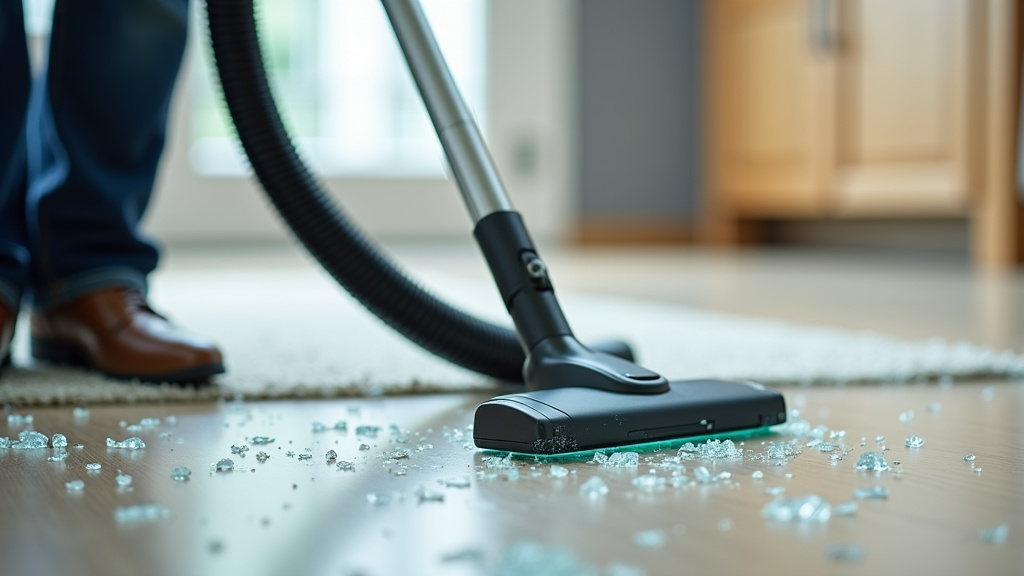
While vacuuming can be helpful, there are times when it’s simply not the right tool for the job. Knowing these situations can save you a lot of trouble and potential damage.
Large Pieces of Glass
This is the golden rule: never vacuum large pieces of glass. They are too heavy and sharp for most vacuum cleaners. They can easily tear bags, damage the canister, or even break internal parts. Always pick up large pieces by hand, wearing thick gloves, and dispose of them carefully.
Specialty Surfaces and Materials
Be cautious on delicate or specialized surfaces. Vacuuming glass on plush carpets can be tricky. The glass can get embedded deep within the fibers. Some experts advise against vacuuming glass on very expensive rugs or delicate hardwood floors. You risk scratching the surface. Always test in an inconspicuous area if you’re unsure.
When Your Vacuum Isn’t Suitable
Older vacuums, or those with weaker suction, might struggle. If you have a very basic, older model, it might be best to rely on manual cleaning methods. Some vacuums are not built to handle anything more than regular dust and debris. Always consider the capabilities of your appliance.
Quick Checklist for Vacuuming Broken Glass
Here’s a handy checklist to ensure you’re cleaning up safely:
- Gloves On: Always wear thick, protective gloves when handling broken glass.
- Large Pieces First: Manually remove all large glass fragments before vacuuming.
- Prepare Your Vacuum: Line the dustbin or use a new bag to create a protective layer.
- Use the Right Attachment: Opt for a crevice tool or brush attachment, not the main floor head.
- Slow and Steady: Vacuum slowly and go over the area multiple times.
- Empty Outside Immediately: Dispose of the vacuum contents outdoors in a secure manner.
Conclusion
Cleaning up broken glass can be a daunting task, but your vacuum can be a helpful tool if used correctly. Remember, it’s best for those tiny, almost invisible shards after you’ve removed the larger pieces. Always prioritize safety by protecting your vacuum cleaner with a protective layer and using the right attachments. By following these steps, you ensure your vacuum remains functional and your home is truly safe again. You’ve got this!
Frequently Asked Questions
What if I don’t have a bag for my vacuum?
If you have a bagless vacuum, you can still vacuum broken glass safely. Line the dustbin with a thick layer of newspaper or paper towels to create a barrier. You can also add a trash bag underneath the paper for extra protection. This helps contain the glass before emptying.
Can I vacuum glass off a carpet?
Vacuuming glass off carpet can be tricky. Small shards might embed deep in the fibers, making them hard to remove completely. If you do vacuum, use a crevice tool and go over the area multiple times slowly. Be aware that some very fine glass dust might remain.
How do I know if my vacuum is damaged after cleaning glass?
Listen carefully while vacuuming. Grinding or unusual noises could signal damage. After emptying, visually inspect the bag or dustbin lining for tears. If you suspect damage, it’s best to have a professional check your vacuum.
Should I be worried about static electricity with glass and my vacuum?
While not a major concern with standard glass cleanup, static electricity can sometimes occur. The protective lining methods we discussed help minimize direct contact between glass and vacuum parts. If you notice excessive static, ensure all components are dry before use.
What’s the safest way to dispose of the collected glass?
Always empty your vacuum outdoors directly into a trash can. For added safety, place the vacuum bag or your dustbin lining into a second trash bag before sealing and disposing of it. This double-bagging method ensures no stray shards escape.
