How To Clean Mattress Without Vacuum Cleaner?
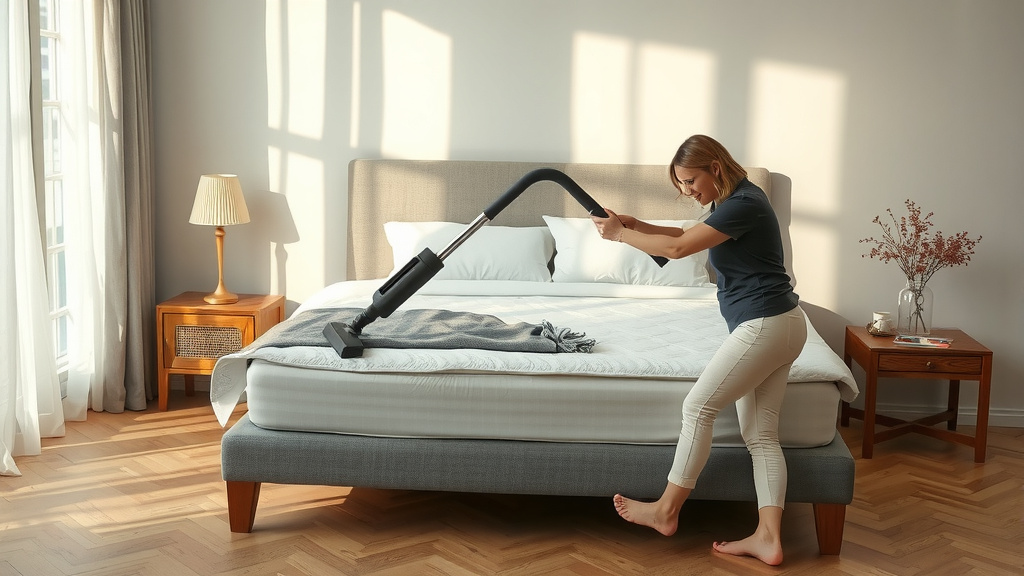
You can effectively clean your mattress without a vacuum cleaner by focusing on **spot treatment and odor removal**. For light cleaning, sprinkle baking soda generously over the entire surface, let it sit for several hours to absorb moisture and smells, then brush it off.
To tackle specific stains, you’ll need targeted solutions like mild soap and water for fresh spills or a mixture of hydrogen peroxide and baking soda for tougher marks, always blotting gently.
- TL;DR:
- Spot treat stains quickly with gentle cleaners.
- Use baking soda to absorb odors and moisture from the mattress.
- Always blot, never rub, to prevent spreading stains.
- Allow the mattress to air dry completely to avoid mildew.
- Regular rotation and airing help maintain freshness.
How To Clean Mattress Without Vacuum Cleaner?
Cleaning your mattress without a vacuum cleaner is simpler than you might think. It involves a bit of patience and using everyday household items to tackle stains, odors, and general grime effectively.
Understanding Your Mattress’s Needs
Before you jump into cleaning, take a moment to understand what your mattress truly needs. Is it just dusty, or are there specific spills? We found that identifying the problem areas first makes the cleaning process much more efficient.
Why Clean Your Mattress Without a Vacuum?
Perhaps your vacuum is broken, or maybe you just don’t own one. No worries! There are **plenty of effective methods** that don’t require suction. Many people find these traditional cleaning ways just as good, especially for particular kinds of messes.
The Power of Baking Soda: Your Mattress’s Best Friend
Baking soda is a true hero for mattress cleaning. It’s fantastic for absorbing odors, drawing out moisture, and generally refreshing the fabric. Think of it as a natural deodorizer and dry cleaner rolled into one.
Basic Deodorizing with Baking Soda
Start by stripping your bed of all bedding. Grab a box of baking soda and sprinkle it generously over the entire mattress surface. Don’t be shy here; a good, even layer is what you’re aiming for.
Let the baking soda sit for at least a few hours, or even a full day if you have the time. The longer it sits, the more it works its magic. It will **absorb lingering smells and dampness** wonderfully.
Removing the Baking Soda (No Vacuum Needed)
Once the baking soda has done its job, you need to remove it. Many experts suggest using a stiff brush or a clean, dry cloth to sweep it off. You can also use a dustpan and brush combo. Just ensure you get as much of it off as possible.
Tackling Stubborn Stains: Spot Cleaning Techniques
Stains are often the biggest concern. Different types of stains require slightly different approaches. The key is always to **blot, never rub**, to prevent the stain from spreading or soaking deeper into the mattress fibers.
General Stain Removal Mixture
For most fresh spills, a simple mixture of mild dish soap and cool water works wonders. Dampen a clean cloth with this solution, then gently blot the stained area. Follow up with a clean, damp cloth to rinse, then a dry one to absorb excess moisture.
Specialized Stain Treatments
Here’s a quick guide to handling common mattress stains:
| Stain Type | Recommended Method (No Vacuum) | Key Tip |
|---|---|---|
| Fresh Spills (Drinks, Food) | Mild dish soap + cool water; blot repeatedly. | Act fast! |
| Urine | White vinegar + water (50/50); spray, blot, then baking soda. | Neutralizes odor and breaks down stain. |
| Blood (Fresh) | Cold water only; blot carefully. Hydrogen peroxide for older stains. | Avoid hot water entirely. |
| Grease/Oil | Baking soda paste (baking soda + water); apply, let dry, scrape off. | Baking soda absorbs oil. |
| Sweat Stains | Lemon juice + salt paste; apply, let sit, wipe clean. | Brightens and sanitizes naturally. |
Dealing with Odors Beyond Baking Soda
Sometimes, odors are deeply set. Many cleaning professionals recommend a **vinegar spray** for persistent smells. Mix equal parts white vinegar and water in a spray bottle. Lightly mist the mattress surface, then let it air dry completely. The vinegar smell will dissipate as it dries, taking other odors with it.
Drying Your Mattress: A Crucial Step
Proper drying is incredibly important to prevent mildew and mold growth. This is where patience comes in. A damp mattress is an invitation for unwanted guests and smells. We found that inadequate drying is a common mistake people make.
Air Drying Your Mattress Effectively
After any wet cleaning, you need to allow your mattress to air dry thoroughly. Open windows to create good ventilation in the room. If possible, take the mattress outside on a sunny, dry day. Sunlight is a natural disinfectant and helps speed up drying. Just remember to protect it from harsh direct sun for too long, as it can damage some mattress materials.
Speeding Up the Drying Process
You can use fans to circulate air around the mattress, which helps dry it faster. Position them strategically around the room. A hairdryer on a cool setting, held at a distance, can also assist with small, damp spots. Just avoid high heat, which can harm the mattress fabric.
Maintaining Mattress Cleanliness Without a Vacuum
Regular maintenance can keep your mattress fresher for longer, reducing the need for intensive cleaning. Think of it as preventative care for your sleep sanctuary.
Regular Rotation and Flipping
Many mattress manufacturers suggest rotating or flipping your mattress every few months. This helps distribute wear evenly and allows different areas to air out, contributing to overall cleanliness. It’s a simple habit with **big benefits for mattress longevity**.
Using a Mattress Protector
A good quality mattress protector is your first line of defense against spills, dust, and allergens. It acts as a barrier, keeping your mattress pristine underneath. These are typically machine washable, making them easy to clean regularly.
Weekly Bedding Changes
Changing your sheets and pillowcases weekly prevents dirt, skin cells, and body oils from building up and transferring to your mattress. This simple routine significantly **reduces surface grime**.
Checklist for a Vacuum-Free Mattress Refresh
- Strip all bedding off the mattress.
- Inspect for any visible stains or spots.
- Sprinkle a generous layer of baking soda over the entire surface.
- Let the baking soda sit for several hours (or overnight).
- Brush off the baking soda using a stiff brush or dry cloth.
- Spot treat any remaining stains using appropriate solutions.
- Allow the mattress to air dry completely with good ventilation.
- Flip or rotate the mattress if recommended by the manufacturer.
Conclusion
Cleaning your mattress without a vacuum cleaner is definitely achievable. By using common household items like baking soda, vinegar, and a bit of elbow grease, you can effectively deal with odors, stains, and general refresh your sleeping space. Remember, **patience and thorough drying** are your best allies in this process. A clean mattress contributes to a more hygienic and restful night’s sleep, and you don’t need fancy equipment to make it happen.
FAQs
How often should I clean my mattress without a vacuum?
For a basic refresh and deodorizing with baking soda, we found that doing it every 1 to 3 months is a good practice. If you have allergies or pets, consider doing it more frequently, perhaps once a month.
Can I use steam to clean my mattress without a vacuum?
While steam can sanitize, it also introduces a lot of moisture. This method is risky without proper extraction tools (like a vacuum with a wet/dry function) because it can lead to mold if not dried absolutely thoroughly. Many experts advise against it for mattresses.
What if I have an old, set-in stain?
For very old or stubborn stains, a paste of hydrogen peroxide and baking soda can sometimes help lighten them. Apply the paste, let it dry completely, then brush it off. Be aware that some very old stains may not completely disappear, but they can often be significantly reduced.
Is it safe to use essential oils on my mattress for scent?
You can use a few drops of essential oils (like lavender) mixed with water in a spray bottle, but always mist lightly and ensure it dries. Directly applying concentrated essential oils can leave oil stains on your mattress. It’s always better to **dilute them properly**.
How can I protect my mattress from future stains without a vacuum?
The best protection is a waterproof or water-resistant mattress protector. Regularly washing your bedding and addressing spills immediately by blotting, rather than rubbing, will also go a long way in keeping your mattress clean.