
What Is the Average Lifespan of a Vacuum Cleaner?

So, how long does a vacuum cleaner usually last? You can expect your trusty vacuum cleaner to last anywhere from 8 to 15 years. This lifespan really depends on the type of vacuum you have and how well you take care of it. A little maintenance goes a long way!
Factors like build quality and usage patterns play a big role. Higher-end models often boast longer life expectancies. We found that consistent, proper care can significantly extend the operational life of your cleaner. Think of it like a car; regular tune-ups keep it running smoothly.
- Average vacuum lifespan: 8-15 years.
- Type and build quality matter a lot.
- Proper maintenance is key for longevity. Proper maintenance is key for longevity and can help increase suction power.
- Cheaper models may have shorter lifespans.
- Regular cleaning extends performance.
Ready to find out what determines how long your vacuum will keep humming? Let’s break down the lifespan of different vacuum types and what you can do to keep yours running strong for years to come.
How Long Can You Expect Your Vacuum Cleaner to Last?
You’ve probably wondered when it’s time to say goodbye to your old vacuum cleaner. The average lifespan for a vacuum is typically between 8 and 15 years. This might seem like a wide range, but many things influence how long your machine will keep cleaning effectively. Think of it like your favorite pair of shoes; with good care, they can last ages, but neglect will wear them out quickly.
We’ve found that build quality is a huge factor. A vacuum that feels solid and well-constructed is likely to withstand wear and tear better over time. Cheaper, lightweight models might struggle to keep up with daily demands. So, while the initial cost might be lower, you could end up replacing them more often. This is something to keep in mind when you’re shopping.
Lifespan Differences by Vacuum Type
Not all vacuums are created equal, and their lifespans can vary quite a bit. Some designs are simply built for more robust use than others. We looked at the common types and found some general trends.
Upright Vacuums: The Workhorses
Upright vacuums are the classic choice for many households. They are generally built tough and designed for deep cleaning. Because of this, many upright vacuums can last a long time, often hitting the higher end of our average range. We found that models with metal components tend to be more durable than those with mostly plastic parts.
When you invest in a good upright model, you’re often buying durability. Many users report their upright vacuums working well for 10 to 15 years or even more. Of course, this also depends on how often you use it and the type of cleaning you do. Heavy-duty use, like cleaning up after pets daily, can shorten the lifespan compared to lighter, occasional use.
Canister Vacuums: Versatile and Durable
Canister vacuums often offer great suction power and come with many attachments for different cleaning tasks. Many experts say their versatility contributes to their durability. You can switch tools for different surfaces, which can reduce strain on one particular part of the vacuum.
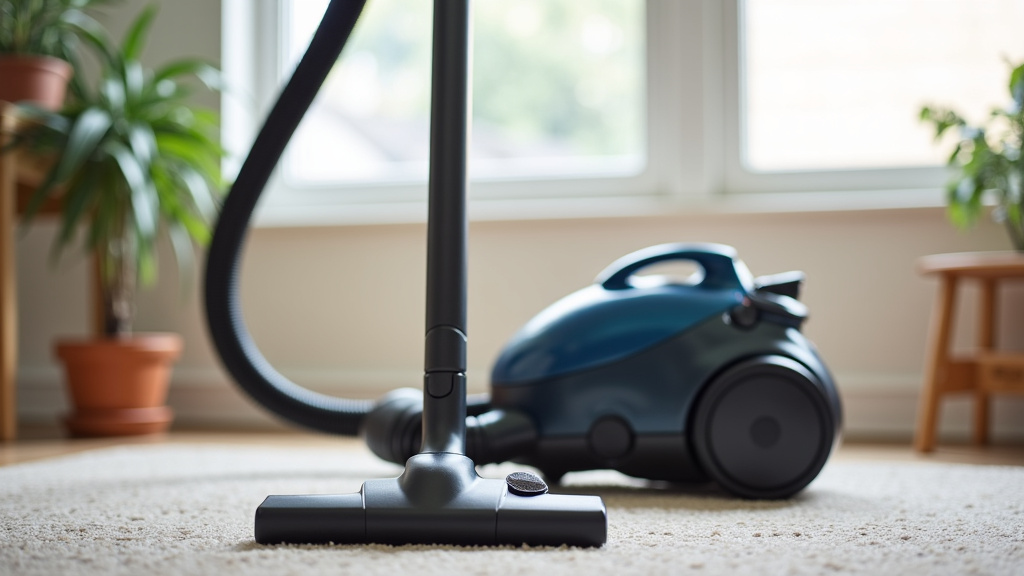
We found that canister vacuums, especially higher-end models, can also enjoy a long operational life. Many can last between 10 and 20 years. Their separate design, with the motor and dust bag in a separate unit, can sometimes lead to better cooling and less stress on components. This can mean fewer breakdowns.
Robot Vacuums: Convenience Meets Technology
Robot vacuums are a newer technology, and their lifespans are still being established. Most manufacturers estimate their robot vacuums to last between 4 to 8 years. This is generally shorter than traditional vacuums. The complexity of their internal electronics and moving parts can make them more prone to issues over time.
The battery is often the first component to degrade in a robot vacuum. Batteries have a limited number of charge cycles, and once they can no longer hold a sufficient charge, the robot’s usefulness diminishes. We found that many robot vacuum owners end up replacing the battery to extend the unit’s life. However, other electronic components can also fail, which may not be cost-effective to repair.
Handheld Vacuums: For Quick Jobs
Handheld vacuums are designed for small messes and quick cleanups. They are not typically built for heavy-duty or prolonged use. Because of this, their lifespan is often shorter, generally ranging from 3 to 7 years.
Their smaller size and simpler design mean fewer robust parts. Like robot vacuums, battery life is a common limiting factor for cordless handheld models. We’ve seen that frequent charging and discharging can wear out the battery faster. These are great for convenience, but they’re not usually your primary deep-cleaning tool.
Stick Vacuums: Lightweight and Agile
Stick vacuums have become incredibly popular for their lightweight design and ease of use. Their lifespan can vary widely. Cordless stick vacuums often last between 5 to 10 years, with battery life being a key factor, similar to handheld and robot vacuums.
Corded stick vacuums, on the other hand, might last a bit longer. We found that their average lifespan can be closer to 7 to 12 years. Without the battery limitation, the motor and brush head become the main points of potential wear. Proper maintenance is really important for these models to reach their potential lifespan.
What Influences Your Vacuum’s Longevity?
Beyond the type of vacuum you own, several other factors play a significant role in how long it will serve you. Think about how you use your vacuum and what you expect from it.
Usage Frequency and Intensity
How often do you vacuum? And how demanding are those cleaning sessions? A vacuum used daily to tackle pet hair and high-traffic areas will naturally experience more wear and tear than one used weekly for light dusting. We found that heavy use can reduce a vacuum’s lifespan by 25% or more compared to light use.
Consider the surfaces you clean. Vacuuming rough surfaces like outdoor mats or carpets with stiff fibers can be harder on the motor and brush roll. If your vacuum is constantly battling stubborn debris, its components might wear out faster. It’s like running a marathon every day versus a casual jog.
Build Quality and Materials
This is a big one that we touched on earlier. Vacuums made with high-quality materials, such as metal gears instead of plastic ones, will generally last much longer. A sturdy casing can withstand accidental bumps and drops better. Many experts say that investing in a well-built vacuum is key for longevity (Consumer Reports).
When you’re looking at vacuums, pick them up if you can. Does it feel solid? Are the seams well-aligned? Cheaper vacuums often cut corners on materials to save costs. This can lead to parts breaking or wearing out prematurely. Your vacuum should feel like a reliable tool, not a fragile gadget.
Maintenance and Care: Your Vacuum’s Best Friend
This is arguably the most important factor you control. Regular maintenance can significantly extend your vacuum’s life. Just like a car needs oil changes, your vacuum needs simple upkeep. We found that neglecting basic maintenance is a leading cause of premature vacuum failure.
What does this maintenance involve? It’s mostly about keeping things clean and clear. We’ll dive into the specifics, but think of emptying the dustbin, cleaning filters, and checking for blockages. These simple steps keep your vacuum running efficiently and prevent strain on the motor.
The Importance of Filters
Filters are the unsung heroes of your vacuum cleaner. They trap dust, allergens, and debris, preventing them from recirculating into the air or damaging the motor. When filters get clogged, the vacuum has to work much harder to suck up dirt. This overheats the motor and can shorten its lifespan.
We found that most manufacturers recommend cleaning or replacing filters every 3 to 6 months, depending on usage. Some vacuums have washable filters, which is a great cost-saving and eco-friendly option. Always check your user manual for specific instructions regarding your vacuum’s filters.
Clearing Blockages and Debris
Anything that obstructs airflow can reduce suction power and strain the motor. This includes clogs in the hose, wand, or brush head. Regularly checking for and removing these blockages is essential. Many users overlook this simple step, leading to preventable damage. If your vacuum is losing power, learn how to fix vacuum cleaner suction.
We’ve seen that hair, larger debris, or even socks can get lodged in the vacuum path. Taking a few minutes to inspect and clear these can save you from costly repairs or a premature replacement. Think of it as a quick health check for your machine.
What to Do When Your Vacuum Is on Its Last Leg
Sometimes, despite your best efforts, a vacuum cleaner will eventually stop working. When this happens, you have a few options. It’s worth considering repair before you rush out to buy a new one.
Repair vs. Replace: A Tough Decision
For higher-end models, especially canister or robust upright vacuums, repair can be a very sensible option. We found that the cost of repairing a motor or replacing a worn-out part can be significantly less than buying a brand-new vacuum, especially if the vacuum is still generally functional. Many vacuum repair shops can diagnose and fix common issues.
However, if your vacuum is an older, less expensive model, the cost of repair might outweigh the benefit. For robot vacuums or handhelds, where complex electronics or integrated batteries are the issue, replacement might be the more practical choice. Always get an estimate before committing to a repair.
When to Consider an Upgrade
If your vacuum is consistently losing suction, making strange noises, or frequently breaking down, it might be time to consider an upgrade. Modern vacuums often come with improved features, better energy efficiency, and enhanced cleaning capabilities. We found that many consumers find their next vacuum purchase to be a significant improvement over their old one.
Think about what you need in a vacuum now. Have your cleaning needs changed? Are you looking for something lighter, more powerful, or perhaps a model better suited for allergies? Your current vacuum’s demise can be an opportunity to find a machine that better fits your lifestyle.
Here’s a quick checklist to help you remember the basics:
- Empty the dustbin or bag after every few uses.
- Clean or replace filters regularly as per your manual.
- Check the brush roll for tangled hair and debris.
- Inspect the hose and wand for any blockages.
- Wipe down the exterior to keep it clean.
- Store your vacuum in a dry, clean place.
Conclusion
Your vacuum cleaner’s lifespan isn’t set in stone; you have a lot of control over it. We’ve seen that while the average range is 8 to 15 years, this can swing widely based on type, quality, and how you treat it. Maintaining your machine with regular cleaning and filter checks is your best bet for keeping it running efficiently. Don’t wait for it to fail; take a moment today to check your filters and clear any blockages. It’s a small effort that makes a big difference in your vacuum’s longevity.
Frequently Asked Questions
Will a more expensive vacuum cleaner last longer?
Generally, yes. Higher-end vacuums are often built with more durable materials and better engineering. We found that these premium models tend to offer a longer operational life compared to their less expensive counterparts. You’re often paying for improved build quality that withstands wear and tear better.
How often should I clean my vacuum filters?
You should aim to clean or replace your vacuum filters every 3 to 6 months, depending on how often you use your vacuum. Clogged filters make your vacuum work harder, which can strain the motor. Always check your owner’s manual for the specific recommendations for your model.
Is it worth repairing an old vacuum cleaner?
It can be, especially for more robust models like upright or canister vacuums. If the repair cost is significantly less than buying a new machine, it’s often a sensible choice. However, for less expensive or older vacuums, particularly those with complex electronics, replacement might be more practical.
Why is my vacuum cleaner losing suction?
The most common reasons for losing suction are a full dustbin or bag, clogged filters, or blockages in the hose, wand, or brush head. Regularly emptying and cleaning these components can usually restore lost suction. It’s a sign your vacuum needs a little attention.
Do robot vacuums have shorter lifespans than traditional vacuums?
Yes, they typically do. Most robot vacuums are estimated to last between 4 to 8 years. Their complex electronics and reliance on batteries often mean a shorter service life compared to many upright or canister vacuums. Battery degradation is a frequent reason for needing replacement.
