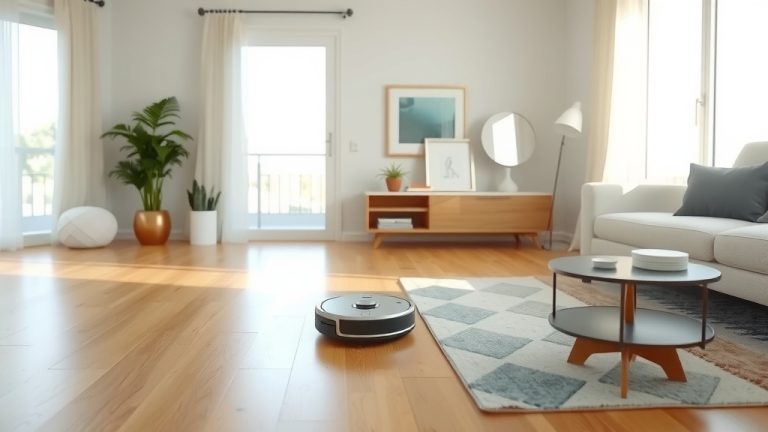
What To Look For In A Robot Vacuum Cleaner?

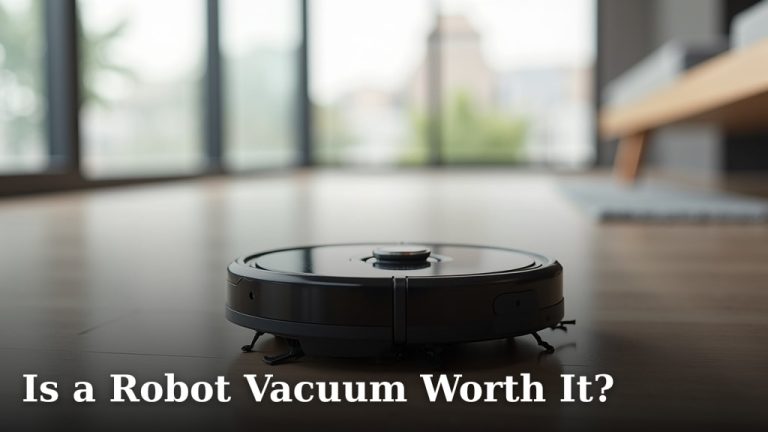
Choosing a robot vacuum cleaner involves prioritizing smart navigation and adequate suction power for your home’s unique layout and floor types. You need to consider how well it maps your space and how effectively it picks up everyday debris.
The ideal robot vacuum cleaner offers a balance of efficient cleaning, user-friendly smart features, and a battery life that matches your cleaning area, all within your desired budget.
- Look for reliable navigation to avoid missed spots and bumping.
- Ensure sufficient suction for your specific floors and pet hair needs.
- Prioritize battery life that covers your home in one charge.
- Consider smart mapping and app controls for convenience.
- Match dustbin size to your home’s dirt accumulation.
What To Look For In A Robot Vacuum Cleaner?
When you are ready to invest in a robot vacuum, think about what truly matters for your home. It is about matching features to your lifestyle, not just picking the flashiest model.
The right choice simplifies your cleaning routine, making your life a little easier, not more complicated.
Start with Smart Navigation
Navigation is the brain of your robot vacuum. A smart robot does not just wander randomly; it plans its path. This means more efficient cleaning and fewer missed spots.
You want a robot that understands your home’s layout. This prevents it from getting stuck or endlessly bumping into furniture. We found that good navigation saves a lot of frustration.
How Does Mapping Work?
Many experts say that advanced robots use lasers or cameras to create a map of your home. This map lets them clean in neat rows, rather than just bouncing around. It is like having a tiny, efficient cleaner rather than a confused bumper car.
Some even allow you to set “no-go zones” on the map, which is perfect for pet bowls or delicate areas. Imagine telling your robot to avoid the kids’ play area automatically, how great is that?
Suction Power Matters
No one wants a robot vacuum that just pushes dirt around. Suction power is key to actually picking up debris. Think about what kind of messes you deal with daily.
Do you have crumbs, dust bunnies, or pet hair? The type of mess dictates how much power you truly need. We found that higher suction power often means cleaner floors.
Floor Types and Power Needs
For hard floors like wood or tile, moderate suction is generally fine. But if you have carpets, especially thick ones, you will want a robot with stronger suction. Some robot vacuums automatically boost power when they detect carpet.
Research often connects sufficient suction with better removal of embedded dirt and allergens from carpets (NIH). This means a healthier home for you and your family.
Battery Life and Charging
Does your home have many rooms, or just a small apartment? Battery life determines how much area your robot can clean on a single charge. A longer battery means less interruption.
Most robot vacuums return to their charging dock when the battery runs low. Some even resume cleaning where they left off after recharging. This is a very helpful feature for larger homes.
Does Run Time Affect You?
If your home is smaller, a robot with an average run time might be enough. For larger spaces, look for models boasting 90 minutes or more of cleaning time. Consider your average cleaning session length.
We found that longer battery life reduces the frequency of manual recharges, making your cleaning routine more autonomous. Who wants to babysit a vacuum cleaner?
Dustbin Size and Maintenance
A robot vacuum is supposed to be convenient, right? A small dustbin means you will be emptying it often. If you have pets or a large home, a larger dustbin is a real time-saver.
Think about how easy it is to remove and clean the dustbin and filters. You want a design that is straightforward, not a puzzle. Many experts agree that easy maintenance is a huge plus.
Smart Features and App Control
Today’s robot vacuums are more than just automatic sweepers. They often come with apps that let you schedule cleanings, view maps, and control the robot from anywhere. This level of control is very convenient.
Imagine starting your vacuum on your way home from work, so you return to clean floors. This is the kind of smart living many people appreciate.
Voice Control and Zones
Some robot vacuums even work with voice assistants like Alexa or Google Assistant. You can simply say, “Start vacuuming,” and off it goes. This hands-free control is very popular.
Many experts say that customizable cleaning zones are very useful. You can tell the robot to clean only the kitchen after dinner, for example. This makes cleaning targeted and efficient.
Pet Hair? Choose Wisely
Pet owners know the struggle of shedding. If you have furry friends, you need a robot vacuum designed to handle pet hair. Look for models with tangle-free brushes and strong suction.
Some robots come with specialized brushes that do not get clogged easily, which is a blessing for pet households. We found that these features make a huge difference in effectiveness.
Handling Different Floor Types
Your home likely has a mix of flooring, right? A good robot vacuum should transition smoothly between carpets and hard floors. Some even offer a mop function for hard floors.
If you have delicate hardwood, ensure the robot’s wheels are gentle. For homes with many rugs, check if the robot can climb over them without getting stuck. This versatility is very helpful.
Your Budget, Your Choice
Robot vacuums come at many price points. You can find basic models that do a good job for smaller spaces, or high-end ones with every smart feature imaginable.
It is all about finding the best value for your needs. You do not always need the most expensive model to get great results. Think about your essential features first.
Noise Levels: A Small Detail
While robot vacuums are generally quieter than upright models, some are noisier than others. If you plan to run your robot while you are home, a quieter model might be a better fit.
We found that noise levels can vary greatly between brands. If peace and quiet are important to you, check reviews for noise complaints.
Easy Setup and User-Friendliness
Nobody wants a complicated gadget. The best robot vacuums are easy to set up and use right out of the box. Clear instructions and intuitive apps are definite positives.
Think about how easily you can maintain it, too. Can you quickly empty the dustbin or clean the brushes? These small details make a big difference in daily enjoyment.
Here is a quick checklist to help you decide:
- Navigation: Does it map your home or clean randomly?
- Suction: Is it powerful enough for your floors and pet hair?
- Battery: Can it clean your entire home on one charge?
- Dustbin: Is it large enough for your needs, and easy to empty?
- Smart Features: Do you want app control, scheduling, or voice control?
- Maintenance: Is it easy to clean the brushes and filters?
| Feature | Basic Model (Good) | Mid-Range Model (Better) | High-End Model (Best) |
|---|---|---|---|
| Navigation | Random bounce | Planned rows (sensors) | Smart mapping (LiDAR/Camera) |
| Suction Power | Adequate for hard floors | Good for hard floors/low-pile carpet | Excellent for all floors/pet hair |
| Battery Life | 60-90 minutes | 90-120 minutes | 120+ minutes, auto-resume |
| Smart Features | Basic remote, scheduling | App control, scheduling, spot clean | App control, mapping, no-go zones, voice control |
| Dustbin Size | Small (frequent emptying) | Medium (regular emptying) | Large (less frequent emptying), auto-empty options |
Conclusion
Choosing a robot vacuum cleaner does not have to be overwhelming. By focusing on your specific needs, like your home’s size, floor types, and whether you have pets, you can narrow down the options considerably.
The perfect robot vacuum is one that fits seamlessly into your life, offering genuine convenience and delivering the clean floors you expect, day after day. It is about simplifying your chores, allowing you more time for what truly matters.
How often should I empty the robot vacuum’s dustbin?
You should empty the dustbin after every cleaning session, especially if you have pets or a larger home. This maintains optimal suction and prevents dirt from backing up. Some larger bins can go longer, but daily checks are best.
Can robot vacuums replace traditional upright vacuums entirely?
For daily maintenance and light cleaning, a robot vacuum can largely replace an upright. However, for deep cleaning carpets, staircases, or reaching tight corners, an upright or handheld vacuum is still very useful for a thorough clean.
Are robot vacuums good for homes with allergies?
Yes, many robot vacuums come with HEPA-style filters that capture fine dust and allergens, which can be beneficial for allergy sufferers. Running them daily helps reduce airborne particles. Research often links regular vacuuming with improved indoor air quality (CDC).
What if my robot vacuum gets stuck often?
If your robot vacuum gets stuck frequently, try decluttering your floors. Remove loose cables, small rugs, or toys before running it. For persistent issues, check its navigation system or consider setting virtual boundaries in the app, if available.
Is it worth paying more for mapping features?
Many experts say that mapping features are worth the investment for most homes. They allow the robot to clean more efficiently, cover more ground, and enable advanced features like zone cleaning or setting no-go areas, saving you time and effort in the long run.